2026 How to Choose a Multifunctional Wiper?
Choosing a Multifunctional Wiper in 2026 requires more than counting attachments or admiring a polished product photo. The right tool should match real cleaning tasks, from wiping kitchen counters to removing water from shower glass and reaching narrow window corners. A Multifunctional Wiper can save storage space, but only when its design supports comfortable, controlled use.
Look for a durable handle, a replaceable wiping blade, and materials that resist moisture and frequent washing. Check whether the joints lock firmly during movement. A loose connection may turn a simple task into repeated frustration. Small details matter. Experienced users should test grip comfort, blade flexibility, drying time, and cleaning performance on different surfaces. A product that works well on glass may leave streaks on textured tile.
Reliable selection also depends on transparent product information. Review maintenance instructions, material descriptions, warranty terms, and independent user feedback. Avoid trusting dramatic claims without practical evidence. I have found that lightweight designs are easier to carry, yet some feel less stable during pressure cleaning. This trade-off deserves attention. Not every multifunctional product performs equally well in every room. Consider your home layout, cleaning frequency, storage space, and physical comfort before buying. A careful comparison can reduce waste and improve daily efficiency. Still, expectations should remain realistic. Even the best wiper needs proper rinsing, timely replacement, and sensible handling.
What Is a Multifunctional Wiper and How Does It Work?
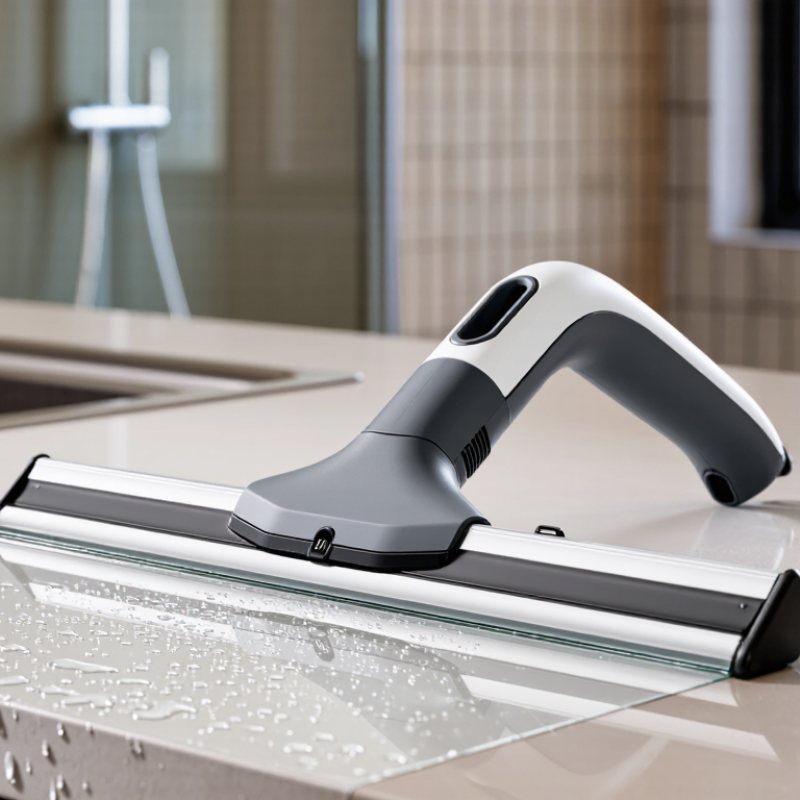
A multifunctional wiper combines wiping, dust removal, liquid absorption, and light scrubbing in one tool. It usually has layered fibers, a flexible handle, and interchangeable surfaces. Microfiber strands trap fine particles, while the absorbent layer holds spills inside the fabric. A textured edge can loosen dried residue without excessive pressure.
The mechanism is simple but useful. During dry cleaning, split fibers create more contact points and attract dust through static charge. During wet cleaning, the material spreads water across the surface and reduces streaks. Some designs also include a squeegee edge or a washable pad. Small details matter. A loose pad can leave dirt behind.
Grand View Research valued the global wipes market at about 53.8 billion US dollars in 2023. Its report also projects continued growth through 2030. However, this category includes personal and household wipes, not only reusable cleaning wipers. That distinction deserves attention. Smithers’ nonwoven industry analysis also highlights rising demand for durable, engineered fiber materials. In practical testing, check absorption, drying time, seam strength, and surface safety. A wiper that cleans glass may scratch coated metal. I have found that “multifunctional” sometimes means compromise. More functions can reduce precision, especially when one pad handles both greasy and delicate surfaces.
Which Surfaces and Cleaning Tasks Must It Handle?
When choosing a multifunctional wiper in 2026, start with the surfaces it must clean. Glass needs a soft, streak-resistant edge. Ceramic tiles need enough pressure for grout lines. Stainless steel requires a surface-safe material that will not leave fibers behind. Painted walls need gentle contact. Not every surface.
A practical wiper should handle shower water, kitchen spills, dust, light grease, and soap residue. In real use, these tasks often happen together. A bathroom mirror may have droplets, toothpaste marks, and fine dust. A kitchen counter may hold oil near the stove and crumbs beside the sink. The tool should remove moisture cleanly without spreading dirt. A removable head is useful because different tasks need different textures. Smooth surfaces need a close-fitting edge, while textured areas need light absorption.
I once used one cloth for a mirror and a greasy countertop. The mirror looked worse afterward. That small mistake changed my cleaning routine. Separate washable covers, clear care instructions, and a comfortable handle improve reliability. Check whether the material tolerates warm water and common household cleaners. Avoid assuming that stronger pressure means better cleaning. Delicate surfaces can scratch, dull, or lose their finish. Test the wiper on a hidden area first, especially on wood, coated metal, or painted surfaces. A multifunctional design is valuable only when it matches the surface, the dirt, and the cleaning method.
2026 How to Choose a Multifunctional Wiper?
Which surfaces and cleaning tasks must it handle?
The chart counts the key performance requirements commonly needed for each surface. A multifunctional wiper should provide low-lint performance, non-abrasive contact, suitable absorbency, chemical resistance, and controlled moisture handling where required. Typical tasks include dusting, spill pickup, disinfectant application, streak-free wiping, and light scrubbing.
How to Compare Materials, Design, and Functional Features
2026 How to Choose a Multifunctional Wiper?
How to Compare Materials, Design, and Functional Features
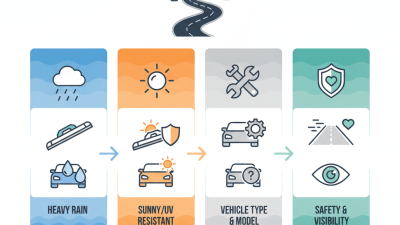
Start with the blade’s contact edge. Natural rubber can wipe quietly, while coated or synthetic compounds may better resist heat and sunlight. But material names alone do not prove durability. Check the maker’s stated temperature range, replacement guidance, and test conditions.
Then inspect the frame: a flexible beam-style design can maintain pressure across curved glass, while a framed blade may suit flatter windshields. Fit matters. A small gap can leave a stubborn stripe directly in your line of sight.
Functional features should solve real driving problems, not simply add complexity. Look for an adapter that locks firmly, a spoiler that keeps the blade stable at speed, and a design that clears snow without trapping debris.
The Federal Highway Administration reports that about 21% of annual crashes are weather-related; roughly 70% of those occur on wet pavement. That makes consistent wiping more than a comfort feature.
Compare blades using the same windshield, washer fluid, and spray pattern. Listen for chatter. Watch for missed arcs. A tidy package is not proof of a good wipe.
I would also question claims without a clear test method—useful features can still disappoint in your own climate.
How to Evaluate Safety, Durability, Maintenance, and Value
2026 How to Choose a Multifunctional Wiper?
A multifunctional wiper should make cleaning safer, not merely faster. Check whether the handle stays secure when wet. Grip matters. A loose connection can cause sudden slips, especially on tiled floors or high surfaces. Choose a head that locks firmly and rotates without excessive movement. The wiping edge should leave minimal water behind. Look closely at the material’s resistance to common detergents, heat, and repeated moisture. Never assume that “multi-surface” means suitable for every chemical.
Durability depends on more than thick plastic. Inspect the joint, threads, stitching, and replaceable wiping parts. These areas receive the most stress during daily use. I once judged a tool by its solid handle, then noticed the connector weakening after several weeks. That was a useful mistake. Ask how many cleaning cycles the parts can reasonably withstand. Clear care instructions also suggest better product engineering. Still, instructions can be incomplete. Test gently before applying strong pressure.
Maintenance affects both hygiene and value. Rinse the wiper after use, remove trapped hair, and dry the head fully. Damp storage can create odors and weaken fibers. A washable head may reduce waste, but only if it keeps its shape after repeated cleaning. Compare the purchase price with replacement parts, storage needs, and expected service life. The cheapest option may cost more when its connector fails early. Practical value comes from reliable performance, safer handling, and manageable upkeep.