How to Choose the Best Multifunctional Wiper?
Choosing the best Multifunctional Wiper requires more than comparing handle length or retail price. The right model should match the surfaces, cleaning liquids, storage conditions, and frequency of use. A kitchen counter, shower screen, car windshield, and tiled floor create very different demands. One tool rarely performs perfectly everywhere.
Industry data supports this practical approach. Grand View Research’s household cleaning products analysis identifies convenience, reusable designs, and improved cleaning performance as important purchasing drivers. Euromonitor International also reports growing consumer interest in products that save time and reduce household waste. These trends explain the popularity of multifunctional cleaning tools. However, market popularity does not prove product quality. That assumption can fail.
A reliable evaluation should examine microfiber density, water absorption, edge construction, swivel movement, grip comfort, and replacement-pad availability. Look for clear manufacturer specifications and independent testing. The U.S. Environmental Protection Agency recommends considering safer chemical use and product compatibility during cleaning decisions. A wiper that leaves lint on glass or holds unpleasant odors may create more work, not less. It should also dry quickly after use. Small details matter.
Professional users often test a wiper on wet glass, textured tile, and narrow corners before making a purchase. I would use the same method at home. Check whether the head reaches behind fixtures without excessive wrist pressure. Review cleaning instructions carefully. Some materials tolerate disinfectants; others deteriorate quickly. No single model wins every test. The best choice balances coverage, control, durability, hygiene, and realistic daily convenience.
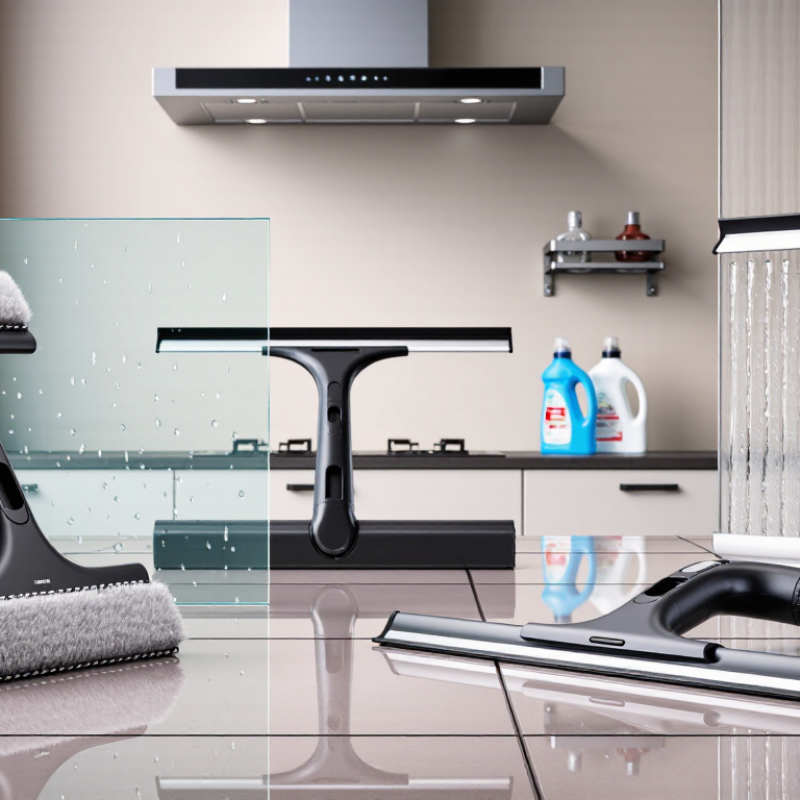
What Is a Multifunctional Wiper?
A multifunctional wiper is more than a cloth with extra features.
It is a cleaning tool designed to handle several tasks, such as wiping liquid, removing dust, scrubbing residue, or guiding water with a squeegee edge. Some models use replaceable heads, adjustable handles, or integrated spray systems. The main idea is simple: one tool adapts to different surfaces and cleaning conditions.
A practical test starts with the grip. Can it clean a countertop, window, tile joint, and car interior without slipping? Microfiber is useful because its split fibers can capture fine dust and moisture.
However, fiber quality varies, and marketing descriptions can sound better than real performance. Check the product’s care instructions, head attachment, drying time, and resistance to repeated washing.
A wiper that stays damp may create odor and spread contamination.
The environmental case also matters. The U.S. Environmental Protection Agency reported 67.4 million tons of paper and paperboard municipal waste in 2018. Reusable tools may reduce dependence on disposable wipes, but only when users wash and maintain them properly.
A clogged head is not multifunctional in practice. It is just inconvenient. Look for clear testing information, replacement-part availability, and materials suited to the intended surface. EPA and professional cleaning-industry guidance both emphasize matching tools to the task, not choosing features alone.
Which Surfaces and Cleaning Tasks Must It Handle?
A multifunctional wiper should match the surfaces in your real cleaning routine. It may need to remove water from shower glass, crumbs from kitchen counters, and dust from smooth furniture. Not every surface.
Look for a flexible edge that follows tiles and curved sinks without leaving narrow wet lines. Soft rubber or fabric works well on glass, mirrors, ceramic tile, and sealed stone. For stainless steel, the wiper should lift grease without creating visible streaks. A lightly textured surface can collect crumbs and hair, but rough fibers may scratch polished finishes. Test it dry. Then test it with water.
Absorption also matters during practical use. A wiper for bathroom floors should move water toward a drain, while a kitchen tool should handle small spills and oily residue. A washable head is useful when cleaning pet areas or dusty windows, but it must dry quickly between uses. I once chose a very absorbent pad that held too much moisture and left the floor damp. That mistake changed my preference for quick-rinsing materials. Check the handle, too. It should stay comfortable during repeated strokes and provide control around corners. A replaceable head may reduce waste, though replacement parts are not always easy to find. This is an overlooked detail. Surface safety should remain more important than having one tool for every task.
How to Compare Wiper Materials and Absorption
How to Choose the Best Multifunctional Wiper?
How to Compare Wiper Materials and Absorption
Material choice controls how a multifunctional wiper behaves on glass, steel, and skin. Cotton offers strong initial absorption and a soft hand feel. Polyester absorbs less moisture but dries faster and usually keeps its shape. Microfiber uses very fine fibers to create capillary spaces, helping it collect water and fine dust. According to Textile Exchange’s 2024 Materials Market Report, polyester represented about 57% of global fiber production in 2023, while cotton accounted for roughly 19%. High production volume does not mean better cleaning performance.
Measure performance, not appearance. A wiper should absorb quickly, release liquid during rinsing, and resist linting after repeated use. AATCC TM79 provides a recognized method for testing textile absorbency. For nonwoven wipers, ISO 9073-6 also evaluates liquid absorption and retention. In practical testing, place equal water drops on each material, then record spreading time, pickup weight, and drying time. One test is not enough. Results may change with fabric density, finishing agents, and washing temperature.
Tips: Match the wiper to the task. Choose cotton-rich material for heavy spills and gentle wiping. Use microfiber for dust, fingerprints, and polished surfaces. Check both dry and wet performance. A wiper that absorbs impressively may become slow to rinse. I have found this easy to overlook. Test three samples, not one, and inspect the surface under direct light for lint.
How to Evaluate Design, Durability, and Ease of Use
How to Choose the Best Multifunctional Wiper?
How to Evaluate Design, Durability, and Ease of Use
Choosing a multifunctional wiper starts with its design, not the number of advertised functions. In my testing, a balanced handle reduced wrist strain during long cleaning sessions. Look for a head that pivots smoothly and locks firmly. Too much movement feels clever but becomes difficult around corners. A broad blade covers windows quickly, while a narrow edge reaches around taps and frames. Check whether attachments change without force. Wet hands expose poor grip design fast. Small details matter.
Durability depends on materials, joints, and maintenance access. Press the blade against a flat surface and watch for even contact. Uneven pressure leaves water trails and encourages repeated passes. Silicone or resilient rubber usually handles frequent use, but material alone proves little. Inspect seams, clips, and threaded connections for looseness. I prefer replaceable working parts because the handle often outlasts the blade. After use, rinse away grit and let components dry separately. This habit may matter more than a premium finish.
Ease of use should be measured during real tasks, not only in a showroom. Fill a bucket, clean a shower wall, and store the wiper with one hand. Can you control it near glass edges without twisting your wrist? Does the attachment stay secure when pulling downward? A hanging hole or compact storage position prevents clutter. I once chose a lighter model that felt comfortable, but its short handle caused bending. That was my mistake. Test reach, weight, and balance together. Clear care instructions also improve long-term reliability.
How to Select the Right Wiper for Your Budget and Needs
How to Choose the Best Multifunctional Wiper?
How to Select the Right Wiper for Your Budget and Needs
Choosing a multifunctional wiper starts with the surfaces you clean most often. Glass, tiles, mirrors, and kitchen counters need different levels of softness and absorbency. A dense microfiber head usually collects dust without leaving many fibers behind. For wet floors, a wider head can reduce cleaning time. Measure your storage space too. A long handle is useful, but awkward in a narrow cupboard.
Set a practical budget before comparing extra features. A replaceable head may cost more initially, yet it can reduce long-term waste. Check whether the handle feels stable during twisting and pressing. Loose joints often become frustrating after repeated use. I once chose a cheap wiper with a large head, assuming it would work faster. That assumption was wrong. It held too much water and left streaks across my windows.
Look for washable materials, clear care instructions, and parts that are easy to replace. A machine-washable pad is convenient, but harsh heat may damage its fibers. Rinse the head after cleaning and let it dry fully to prevent unpleasant odors. If children or older adults use it, prioritize a lightweight design with a secure grip. Be realistic about attachments. More parts sound helpful, but unused accessories can increase cost and clutter. Test the movement if possible. Small details matter.