Best Windshield Wipers for Every Climate and Vehicle Type?
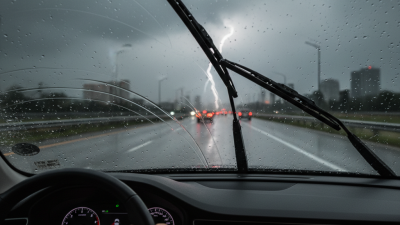
When it comes to driving, visibility is key. Windshield wipers are essential for maintaining clear sight in various weather conditions. Selecting the right wipers can be challenging. Different climates and vehicle types require different features to maximize efficiency.
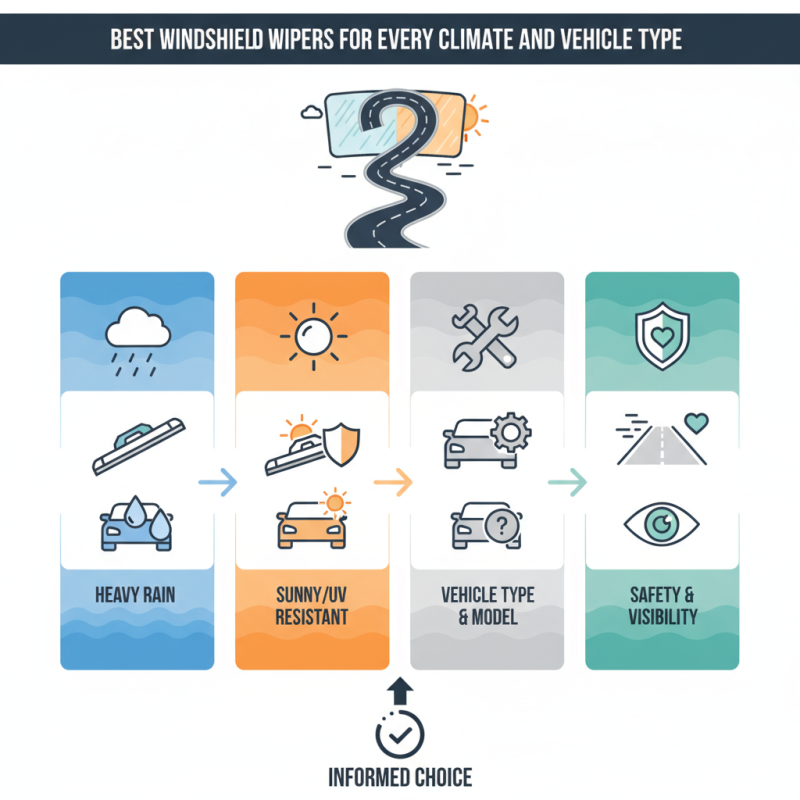
For instance, areas with heavy rain need robust wipers that can handle intense downpours. Meanwhile, those living in sunny regions may prefer durable wipers that resist wear from UV rays. Yet, many overlook the connection between quality wipers and safety on the road. It’s a crucial detail that deserves attention.
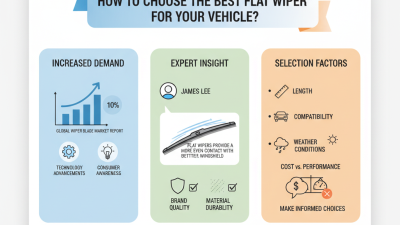
Finding the best windshield wipers involves understanding your specific needs. It’s important to consider not only the climate but also your vehicle's make and model. This guide will explore options tailored for every situation, helping drivers make informed choices for visibility and safety. Remember, a small investment in quality wipers can make a big difference in your driving experience.
Best Windshield Wipers for Various Climate Conditions
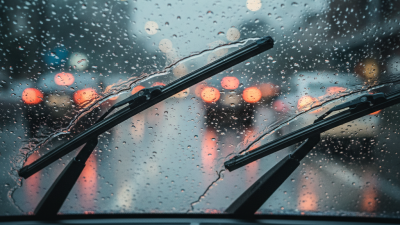
Choosing the right windshield wipers is essential for effective visibility in various climates. In rainy regions, a rubber wiper with a soft edge works best. It ensures water flows smoothly off the glass. In contrast, areas with heavy snow require a sturdier design. A wiper with a reinforced structure can handle ice accumulation.
In dry climates, it’s important to select wipers that resist UV damage. The sun can deteriorate rubber over time, leading to cracks. Such wipers should have a special coating for longevity. For extreme weather conditions, trying out silicone blades is wise. They offer durability, even against harsh elements.
Different vehicles also need tailored wipers. Compact cars benefit from lighter wipers to prevent strain. Larger vehicles, such as SUVs, require heavy-duty options for maximum efficiency. Not every wiper fits all, and misfits can lead to scratches. Opt for a professional installation if unsure.
Choosing Wipers for Different Vehicle Types and Sizes
Selecting the right windshield wipers often depends on your vehicle type and size. Larger SUVs may require heavier-duty wipers that can handle more weight and pressure. In contrast, smaller sedans benefit from lighter wipers that effectively clear rain and debris without unnecessary strain. It's essential to assess your vehicle's specifications for optimal performance.
Additionally, the climate where you live plays a crucial role. In snowy regions, wipers with winter blades offer more durability and flexibility. These blades can withstand ice buildup. Conversely, areas with heavy rain necessitate high-performance wipers designed for improved visibility in downpours. Understanding the environmental conditions can lead to better choices.
However, finding the right match can be challenging. A common mistake is overlooking the manufacturer's recommendations. This can lead to poor installation and performance. Regularly reviewing the condition of your wipers is also essential. Don’t ignore any streaking or skipping, as these can be signs they need replacing. Regular checks promote safety and visibility.
Understanding Wiper Blade Materials and Their Durability
When considering windshield wipers, the material plays a crucial role in performance and longevity. Various types of blades are made from rubber, silicone, and even composite materials. Standard rubber blades typically last about six months to a year under normal conditions. In harsher environments, their lifespan can shrink significantly. Research indicates that about 40% of drivers neglect to replace worn wiper blades, leading to compromised visibility.
Silicone blades, while generally more expensive, can last up to two years. They provide consistent performance across various weather conditions, making them a smart investment for many. In fact, studies suggest that silicone wipers can perform better in extreme heat and cold, reducing streaking and improving safety. However, misconceptions persist. Many believe that all wipers are equal, overlooking the impact of climate on durability.
It’s essential to consider your specific environment when choosing wiper materials. For example, drivers in regions with heavy rain need blades that resist speed wear. Conversely, those in snowy areas may require blades designed for ice buildup. When purchasing, look for data on performance over time. Not all blades deliver on their promises, and some may not perform well when you need them the most.
How to Replace and Maintain Windshield Wipers Effectively
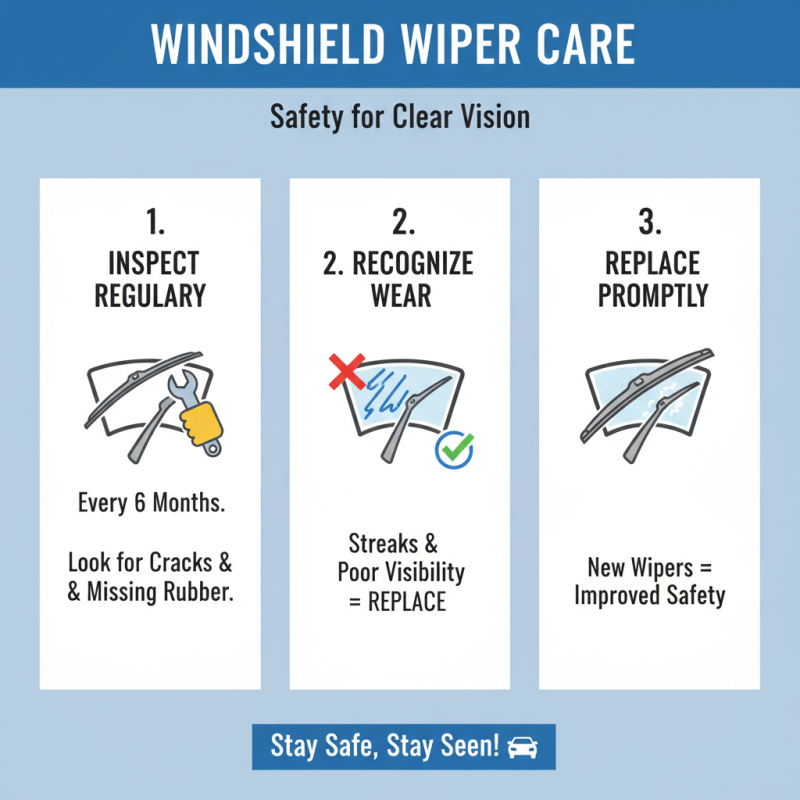
Replacing and maintaining windshield wipers is crucial for your vehicle's safety. Regular checks can prevent streaks and poor visibility. Ideally, you should inspect wipers every six months. Look for signs of wear, such as cracks or missing rubber. If you notice these issues, it’s time to replace them.
To replace your windshield wipers, start by lifting the wiper arm off the windshield. Remove the old blade by pressing a tab and sliding it off. Then, align the new blade and slide it into place until you hear a click. Once secured, lower the arm back down. It sounds simple, but many people struggle with this task. Don't hesitate to consult your vehicle's manual for specifics.
After installing new wipers, maintenance is key. Use a soft cloth to clean the wiper blades regularly. This helps remove dirt and debris that can cause damage. Additionally, ensure your windshield is clean. A clean surface will help the blades function effectively. Sometimes, it’s easy to forget these steps. Regular maintenance can extend the life of your wipers significantly.
Top Recommended Windshield Wipers for Each Climate Category
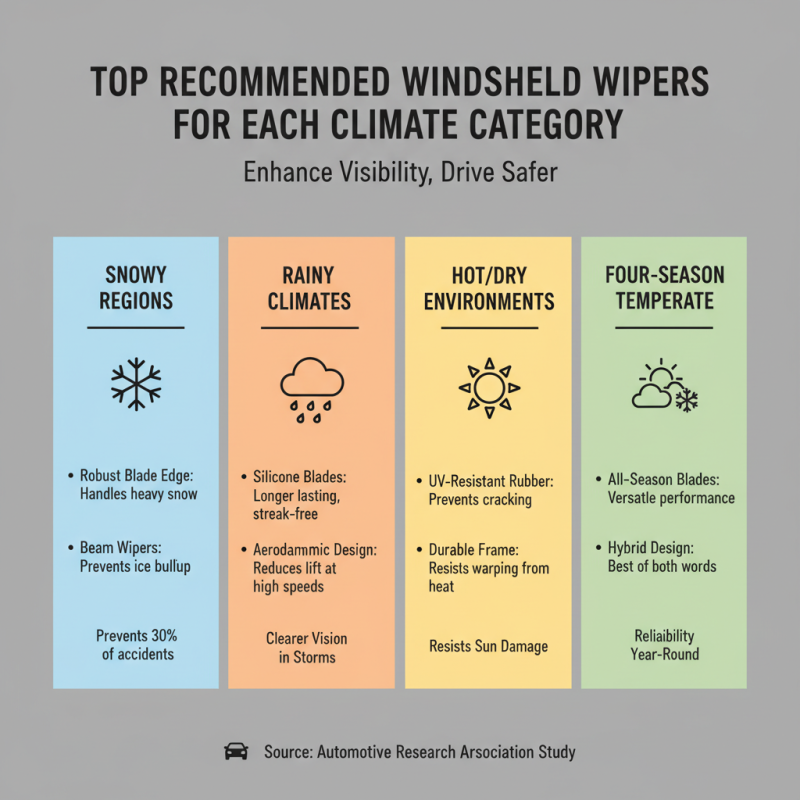
Choosing the right windshield wipers is essential for ensuring visibility in various weather conditions. Each climate presents its unique challenges. According to a study by the Automotive Research Association, nearly 30% of accidents occur in inclement weather, where effective wipers are vital. For snowy regions, wipers designed with a robust blade edge are crucial. They need to handle the weight of snow without losing efficiency.
In rainy areas, opt for wipers with a soft rubber blade. These wipers provide a cleaner wipe, enhancing visibility. A report from the Weather Safety Alliance states that drivers in rainy climates face up to 50% greater risk of hydroplaning. Notably, tropical regions require wipers that resist wear from UV rays. Rubber compositions that can endure sun exposure improve longevity. However, even the best wipers may struggle with heavy downpours due to limitations in design.
Finally, consider your vehicle type. Larger vehicles, like SUVs, may benefit from wipers with a stronger frame. Conversely, smaller cars often need lighter, more flexible options. Research shows that properly maintained wipers can last up to 12 months under normal conditions. Yet, many drivers neglect regular checks. This oversight can lead to diminished performance and impaired visibility. Addressing these concerns can greatly improve driving safety across different climates.