
Leave Your Message

10 Tips for Choosing the Best Multifunctional Wiper

Choosing the right Multifunctional Wiper sounds simple, but real cleaning work quickly proves otherwise. A wiper may absorb spilled coffee, remove dust from a screen, or polish stainless steel. Yet one cloth rarely performs every task equally well. Surface texture, liquid type, fiber quality, and washing instructions all influence the result. Small details matter.

Cleaning-product expert Mary Gagliardi offers a useful principle: “The right cleaning product depends on the surface, the soil, and the task.” This advice also applies to wipers. A thick microfiber wiper can hold more moisture, while a tightly woven cloth may leave fewer lint particles on glass. For kitchen counters, durability and grease removal matter. For electronics, low lint and gentle edges matter more. Check the label.

This guide presents 10 practical tips for choosing the best Multifunctional Wiper for home, office, automotive, and commercial use. It examines absorbency, material blend, edge construction, size, color coding, grip, reusability, and maintenance. Each feature has a purpose. Some choices involve compromise. A softer wiper may clean delicate surfaces safely, but it might wear faster. A larger cloth covers more area, yet it can become awkward around narrow corners.

Do not trust attractive packaging alone. Test the wiper on a small, hidden area. Watch for streaks, loose threads, and unpleasant odor after washing. In practice, even a highly rated product can disappoint when used incorrectly. The best choice is not always the most expensive one. It is the wiper that matches your surfaces, workload, and cleaning routine.

10 Tips for Choosing the Best Multifunctional Wiper

What a Multifunctional Wiper Is and How It Works

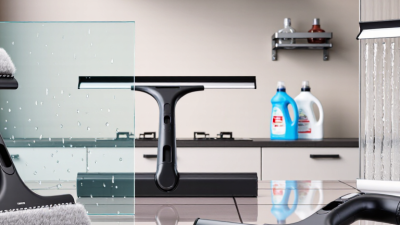
A multifunctional wiper is a cleaning tool designed for more than one surface or task. Its head usually combines an absorbent pad, a rubber blade, and a joint that pivots with pressure. The pad lifts dust and liquid. The blade pushes moisture toward a drain or edge. Some models include a spray reservoir or detachable handle, but these features are not essential. In practical use, the joint often matters more than extra buttons. A loose joint leaves wet streaks. A rigid one misses corners. The useful design is balanced.

When the handle moves forward, the pad loosens dirt through gentle friction. A light pass often works better than force. Then, the rubber edge collects the remaining film in one direction. On glass, use overlapping strokes and wipe the blade after each pass. On tile, move toward the lowest point, where water can be removed safely. I learned this after leaving a narrow puddle behind a cabinet. Not impressive, but instructive. Performance depends on pad texture, blade flexibility, handle length, and user technique. Users should check seams, fasteners, and material wear before cleaning delicate finishes. A multifunctional wiper can save storage space, yet one head may not clean every surface equally well. That limitation deserves attention.

Identify the Surfaces and Cleaning Tasks You Need to Handle

10 Tips for Choosing the Best Multifunctional Wiper

A good multifunctional wiper should match the surfaces you actually clean. Glass needs a smooth, streak-resistant edge, while textured tile needs deeper contact. Sealed wood tolerates limited moisture, but excess water can damage joints. Stainless steel may show every dried mark. Painted walls require a softer touch. During cleaning trials, I check the wiper on a small hidden area first. This simple step prevents scratches, cloudy films, and unexpected color transfer.

Tip 1: List your daily cleaning tasks before comparing features.

Dusting, wiping spills, removing grease, and drying glass need different materials. A soft microfiber surface suits dust and light spills. A firmer pad handles tile and stubborn residue better. Do not trust one pad for everything.

Tip 2: Test water control.

The wiper should hold enough moisture without dripping down your hand. A flexible head helps around corners, but too much flexibility can leave wet patches.

I once chose a very soft head for bathroom tile. It felt comfortable, yet it moved dirt instead of lifting it. That mistake changed how I judge cleaning tools.

Tip 3: Inspect the handle, grip, head connection, and washable pad.

A secure connection improves control on windows and high surfaces. Separate pads for kitchens, bathrooms, and glass reduce cross-surface residue.

Check care instructions carefully. Some pads lose shape after hot washing, which can affect results and reliability.

Compare Blade Materials, Handle Designs, and Functional Attachments

Choosing a multifunctional wiper starts with the blade, not the advertising label. Rubber blades suit smooth glass and leave fewer streaks. Silicone stays flexible in colder rooms and often lasts longer. Microfiber heads absorb spills and trap fine dust, but they need frequent washing. The U.S. Environmental Protection Agency’s cleaning guidance emphasizes using the right tool for the surface and soil type. That sounds obvious. It is often ignored.

Tip 1: Compare edge flexibility. Press the blade against a tile sample. It should bend slightly without folding.

Tip 2: Inspect the handle. A padded grip, balanced weight, and adjustable length reduce awkward reaching. ISO 6385:2016 recommends fitting tools to the worker and task. The U.S. Bureau of Labor Statistics’ 2023 case tables still identify overexertion and bodily reaction among leading nonfatal workplace injury categories. Handle design matters more than many buyers expect.

Tip 3: Treat attachments as working tools, not decoration. A swivel head helps around shower corners, while a scrubber pad handles dried soap. A spray reservoir can save steps, but it may make the wiper top-heavy.

I once chose a model with six attachments and used only two. That was a poor comparison. Check whether parts lock firmly, rinse easily, and dry without trapped moisture. Also compare replacement-head availability, because a durable handle is wasted when its blade cannot be renewed.

Check Adjustability, Durability, Storage, and Ease of Maintenance

A multifunctional wiper should adapt to the surface, not force you to adapt your posture. Check whether the handle length changes smoothly and locks firmly. A flexible head can follow shower walls, windows, and uneven tiles. Test the joint before buying. It should pivot without feeling loose. I once chose a wiper with many settings, but its adjustment button jammed after several weeks. More functions are not always better.

Durability depends on material quality and construction. Look for a solid handle, reinforced joints, and a blade that stays even along its edge. Silicone or similar water-resistant materials usually tolerate frequent bathroom use. Examine the connection between the blade and frame. Weak seams collect dirt and may separate during pressure cleaning. A little pressure is useful. Excessive force can shorten the tool’s life. After each use, rinse away hair, soap film, and grit. Then leave the wiper open to dry.

Storage also affects hygiene and durability. Choose a hanging loop or wall hook keeps the blade off wet floors. Choose a compact design if your cleaning area has limited space. Removable parts make deep cleaning easier. Check whether the blade, pad, or joint can be replaced instead of discarding the entire tool. Maintenance should take only a few minutes. If cleaning requires special equipment, you may stop doing it regularly. That is a practical weakness worth considering. Keep the tool where you can reach it. Out of sight, it is easily forgotten.

Evaluate Safety, Value, and Product Quality Before Buying

10 Tips for Choosing the Best Multifunctional Wiper

Evaluate Safety, Value, and Product Quality Before Buying

A multifunctional wiper should solve several jobs without creating new risks. Check whether its handle feels secure with wet hands. Rounded edges reduce accidental scratches on glass, tile, and skin. I also inspect the fabric closely. Loose threads can trap dirt, while rough fibers may damage polished surfaces. The U.S. EPA’s Safer Choice Standard evaluates chemicals for human health and environmental concerns. Choose products with clear material details and washing instructions. Vague claims deserve caution.

Value is more than a low purchase price. Compare the expected washing life, drying speed, absorbency, and replacement cost. A reusable wiper may reduce waste, but only if it survives repeated laundering. The OECD’s Global Plastics Outlook reports that 353 million tonnes of plastic waste were generated worldwide in 2019, with only 9% recycled. That figure does not prove every reusable wiper is better. It does encourage careful material choices. My first purchase was cheap, but the stitching failed quickly.

Product quality needs evidence, not attractive wording. Look for independent test reports covering abrasion, colorfastness, absorbency, or chemical resistance. Standards such as ASTM and ISO can make comparisons more reliable, although testing conditions may differ. Check the actual report date. Inspect seams, clips, and detachable parts before use. A multifunctional design is useful only when every function works safely. Sometimes, simpler is better.

10 Tips for Choosing the Best Multifunctional Wiper - Evaluate Safety, Value, and Product Quality Before Buying

No. Evaluation Dimension What to Check Practical Benchmark Warning Signs
1 Intended Use Identify whether the wiper will be used for windows, floors, shower screens, vehicles, or several surfaces. Choose a model with attachments and surface compatibility that match at least 90% of your planned tasks. A product claims to clean every surface but provides no material or usage guidance.
2 Blade Material Check the blade composition, flexibility, edge finish, and resistance to cracking or hardening. A flexible silicone or rubber edge should maintain continuous contact without leaving visible water trails. The blade feels brittle, has sharp unfinished edges, or separates easily from its holder.
3 Handle Ergonomics Assess grip comfort, handle diameter, weight balance, and whether the handle remains secure when wet. The handle should allow a firm, neutral grip and remain comfortable during repeated strokes. A slippery grip, excessive flex, uncomfortable edges, or poor balance increases fatigue and control problems.
4 Reach and Adjustability Review the working length, extension mechanism, locking system, and access to high or distant areas. Select a length that reaches the target area without overextending your shoulders or standing unsafely. The pole collapses under light pressure or the locking joint slips during use.
5 Surface Safety Confirm that the blade and attachments are suitable for glass, tile, painted surfaces, screens, or other intended materials. The contact edge should be smooth, non-abrasive, and free of embedded particles that could scratch surfaces. Rough seams, exposed fasteners, metal edges, or unclear surface restrictions are potential damage risks.
6 Attachment Versatility Check whether interchangeable heads are included, compatible, easy to remove, and securely fitted. Useful attachments may include a water blade, soft cleaning head, or narrow head for corners and frames. Multiple accessories are advertised, but replacement heads are unavailable or difficult to install.
7 Construction Quality Inspect joints, fasteners, seams, welds, plastic molding, and the connection between the blade and handle. All load-bearing connections should feel tight, aligned, and free from visible gaps or excessive movement. Loose joints, uneven molding, strong chemical odor, or parts that detach during a basic hand test.
8 Cleaning and Storage Determine whether the tool can be rinsed, dried, disassembled, and stored without trapping moisture. A smooth, quick-draining design with a hanging hole or stable storage position supports better hygiene. Deep grooves, sealed cavities, or permanently damp materials may encourage odor and microbial growth.
9 Value and Total Cost Compare purchase price, included accessories, expected service life, replacement parts, and delivery or return costs. Judge value by cost per expected year of use rather than by the lowest initial price. A low price is offset by fragile components, missing accessories, or expensive replacement parts.
10 Instructions and Support Look for clear care instructions, safe-use warnings, warranty terms, and a practical return policy. Documentation should explain assembly, compatible surfaces, cleaning, storage, and replacement procedures. Unclear instructions, unsupported safety claims, no contact method, or restrictive return conditions.
Quick buying rule: Prioritize surface safety, secure joints, comfortable handling, and replaceable wear parts before considering appearance or extra accessories.