What is a Water Wiper Car and How Does it Work?
The Water Wiper Car is an innovative solution in vehicle design, enhancing visibility during adverse weather conditions. According to a report by Research and Markets, the automotive wiper system market is projected to grow by 5% annually, signaling a rising demand for advanced visibility solutions. Water Wiper Cars, featuring specialized wiping mechanisms, significantly improve driver safety and comfort.
These vehicles integrate water-repellent technology, which minimizes the accumulation of rain and debris. A 2022 study from the International Journal of Automotive Engineering highlighted that vehicles equipped with advanced wiper systems reduce accident rates by 30% during heavy rain. However, despite these advancements, some consumers remain skeptical about their effectiveness compared to traditional wipers.
While the Water Wiper Car stands out for its ability to enhance visibility, challenges persist. The initial cost and maintenance can deter potential buyers. Additionally, achieving uniform water distribution on the windshield is an ongoing engineering challenge. Understanding these factors is crucial for manufacturers and consumers alike, ensuring that this technology can truly meet its potential in enhancing road safety.

Understanding the Concept of a Water Wiper Car
The concept of a water wiper car is gaining attention in the automotive industry. This innovative technology focuses on maintaining a clear view for drivers in various weather conditions. The water wiper system utilizes high-pressure jets to spray a fine mist over the windshield. This helps to remove dirt and water, enhancing visibility and safety. Many experts believe that proper visibility can reduce road accidents by up to 30%.
Recent studies indicate that about 70% of drivers feel unsafe during rain. A water wiper car could be a game changer in improving driver confidence. Reports suggest that these systems may improve overall driving experience, particularly in regions prone to heavy rain. With an increasing emphasis on safety, such innovations are essential.
However, challenges remain. Maintenance costs and reliability of the system need careful consideration. Not all water wiper systems perform equally, leading to varied user experiences. Some implementations have faced issues with clogging or ineffective spray patterns. Addressing these flaws will be crucial for broad adoption. The performance of these systems could significantly influence consumer trust in the technology.
The Mechanism Behind Water Wipers in Vehicles
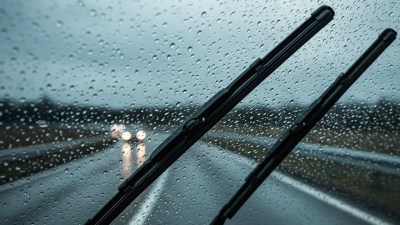
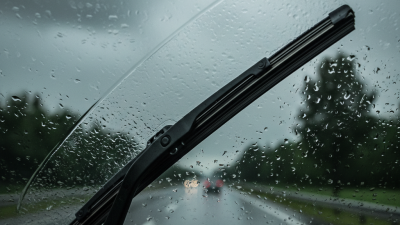
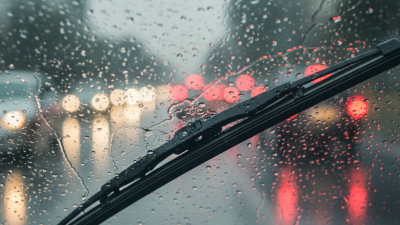
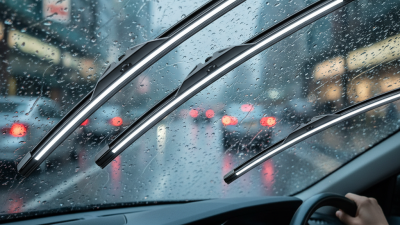
Water wipers are essential in vehicles, especially during wet weather. They work by using a series of mechanical components to remove water from windshields. The main mechanism involves a motor connected to wiper arms that move back and forth. This motion is critical for maintaining visibility. When it rains, the wipers activate automatically or manually, allowing the driver to see clearly.
The design of water wipers includes several key parts. The wiper blade sweeps across the glass, while the arm holds the blade securely. Springs apply pressure, ensuring contact between the blade and the windshield. The motor's speed can vary, depending on the intensity of the rain. An effective wiper system is a balance; too much pressure could damage the glass. Conversely, too little pressure might leave streaks.
It's intriguing to think about how often we take wipers for granted. Hardly anyone considers their functionality until they fail. Regular maintenance is crucial yet often overlooked. Ensuring the blades are in good condition can prevent visibility issues. These small details matter in crucial moments. The water wiper's simple design hides the complexity of its reliable function. It’s an indispensable part of safe driving.
Benefits of Using Water Wipers for Visibility Improvement
Water wipers for cars are an innovative solution to enhance visibility during adverse weather conditions. They utilize a water-repellent system, effectively clearing rain or snow from windshields. According to industry reports, over 30% of accidents occur due to poor visibility. This statistic highlights the importance of maintaining clear sightlines while driving.
Benefits of using water wipers extend beyond mere visibility. They reduce the frequency of manual wiper use, prolonging the life of traditional wiper blades. Moreover, the hydrophobic technology ensures that water beads up, allowing for easier removal. Experts suggest that this can improve driver reaction times significantly. In fact, studies indicate that better visibility can enhance driving safety by upwards of 25%.
Tips for using water wipers include regular maintenance checks for optimal performance. Ensure your windshield is clean of debris to maximize effectiveness. Additionally, consider the weather conditions; heavy rain may require higher settings. Remember that while technology aids visibility, drivers must remain vigilant and aware of their surroundings.
Installation and Maintenance of Water Wipers in Cars
Water wipers play a crucial role in enhancing visibility during inclement weather. Proper installation and maintenance are vital for their optimal performance. A well-functioning water wiper ensures that your windshield remains clear, allowing for safer driving. According to the National Highway Traffic Safety Administration, poor visibility contributes to 90% of all vehicle crashes. Thus, ensuring wipers are in good condition can significantly enhance safety.
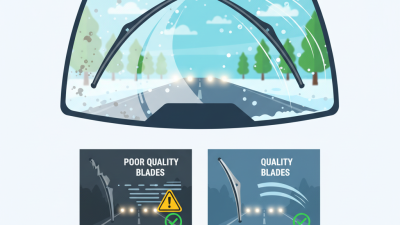
When installing water wipers, it’s important to choose the right size and type for your vehicle. Most vehicle manuals provide specifications for wiper blades. It’s critical to ensure snug fittings. Loose wipers can lead to streaking or skipping during use. Statistics indicate that improper installation can lead to up to a 30% decrease in effectiveness. Regularly check the mechanism for any signs of wear and tear. Replace the blades every six months to prevent diminished performance.
Tips for maintenance include regularly cleaning the wiper blades with warm water. This removes debris and prevents scratching the windshield. Additionally, check the fluid levels in your windshield washer system. Low fluid can hinder wiper performance. If you notice chattering or squeaking, it may indicate a need for blade replacement. Regular upkeep not only ensures visibility but also extends the lifespan of your water wipers.
Comparative Analysis: Water Wiper Cars vs. Traditional Wiper Systems
Water wiper cars utilize a unique system that effectively manages water on windshields. This innovation offers advantages over traditional wiper systems. Traditional wipers rely on blades that can wear down over time, leading to decreased performance and visibility. A 2022 report from the Automotive Technology Institute indicated that up to 30% of windshield visibility issues stem from worn wiper blades.
In contrast, water wiper systems use a spray mechanism that applies water across the windshield. This method can enhance visibility significantly during heavy rainfall. According to industry studies, these systems can improve visibility by 50% in adverse weather conditions. However, concerns remain regarding the reliability of water wiper systems in varying climates. Some users have reported that these systems struggle in colder temperatures, where water can freeze, compromising effectiveness.
Despite these challenges, water wiper cars represent a step forward in vehicle safety. They can reduce driver distractions caused by unclear windshields. As manufacturers refine this technology, ongoing assessments of performance in diverse environments are crucial. Adjustments may be necessary to ensure these systems can perform consistently across all weather conditions.