2026 Top Car Window Wiper Blades for Ultimate Visibility and Safety?
When it comes to driving, visibility is crucial. Car Window Wiper Blades play a vital role in ensuring a clear view during rain or snow. Selecting the right wiper blades can greatly enhance safety for you and others on the road. This decision is often overlooked, yet it has a significant impact on your driving experience.
In 2026, many options will flood the market. However, not all Car Window Wiper Blades are created equal. Quality and performance vary dramatically among brands and models. Drivers might feel overwhelmed by choices, leading to a hasty decision that could compromise safety. It is essential to understand the key features that make a wiper blade effective.
Some wipers excel in streak-free visibility and durability. Others might struggle under extreme weather conditions. You may wonder if the most popular brands will meet your specific needs. Reflecting on these aspects can guide you to the best choice, optimizing your visibility and improving driving confidence.
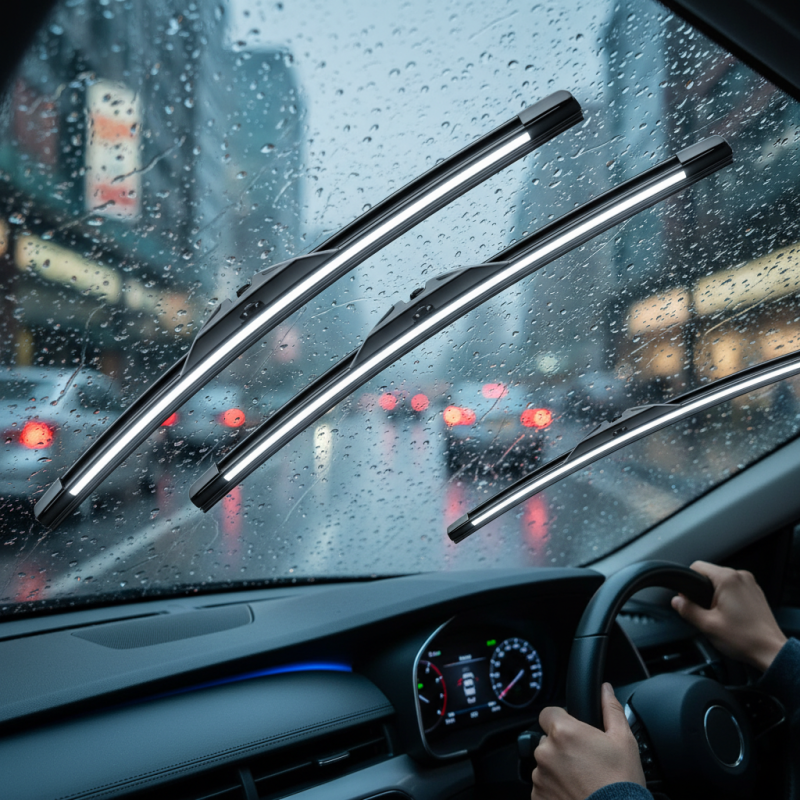
2026 Car Window Wiper Blade Trends: Enhancements in Visibility and Safety
In 2026, car window wiper blades are making significant strides. The primary focus remains on visibility and safety. With advanced materials and designs, these wipers can effectively clear rain, snow, and debris. This enhancement is critical for drivers who often face unpredictable weather. The goal is clear: improved vision leads to safer driving conditions.
One notable trend is the integration of technology into wiper blades. Some models now feature smart sensors. These sensors automatically adjust the wiper speed based on rainfall intensity. This innovation not only enhances safety but also decreases driver distraction. However, there are concerns about the reliability of these technologies. User feedback is crucial to ensuring they perform well in real-world conditions.
Another evolving aspect is the use of eco-friendly materials. Many manufacturers are looking for sustainable options without sacrificing performance. This shift is commendable but can present challenges in durability. The balance between environmental considerations and product longevity is delicate. Reflections on these trends reveal that while advancements are promising, they also demand scrutiny from consumers and experts alike.
2026 Top Car Window Wiper Blades for Ultimate Visibility and Safety
| Wiper Blade Type |
Material |
Blade Length (inches) |
Features |
Visibility Performance (Rating 1-10) |
Safety Features |
| Conventional |
Rubber |
24 |
Basic Design |
7 |
None |
| Beam |
Synthetic |
26 |
Aerodynamic Design |
9 |
Enhanced Grip |
| Hybrid |
Metal + Rubber |
22 |
Flexible Structure |
8 |
Wind-Deflector Technology |
| Winter |
Silicone |
20 |
Heavy-Duty Construction |
10 |
Ice & Snow Resistance |
| Smart Wiper |
Carbon Fiber |
24 |
Automatic Adjustment |
10 |
Rain Sensor Technology |
Key Features of High-Performance Wiper Blades for Optimal Water Removal
When it comes to car window wiper blades, performance is vital for safety. High-performance wiper blades offer several key features that enhance visibility. For instance, a durable rubber blade can effectively remove water and debris. These blades often come with a specially engineered curve. This design allows them to follow the windshield's contour perfectly. The result? A streak-free wipe even in heaviest rain.
Additionally, some wiper blades include an advanced coating. This coating helps prevent the build-up of dirt and debris. It maintains optimal visibility over time. Many drivers experience challenges with wiper performance as weather conditions change. Regular maintenance is crucial. A simple check for wear can prevent unsafe driving scenarios. Consider how often you replace wipers; this impacts your overall driving experience.
In terms of installation, ease is also critical. Many blades are designed for quick, tool-free attachment. This feature allows users to replace them without technical knowledge. However, there are exceptions where installation can be tricky. It’s important to read instructions carefully and ensure compatibility. Choosing the right window wiper blades can make a significant difference in your driving safety. Every detail matters when it comes to visibility in tough weather conditions.
Material Innovations in Wiper Blades: Impact on Durability and Functionality
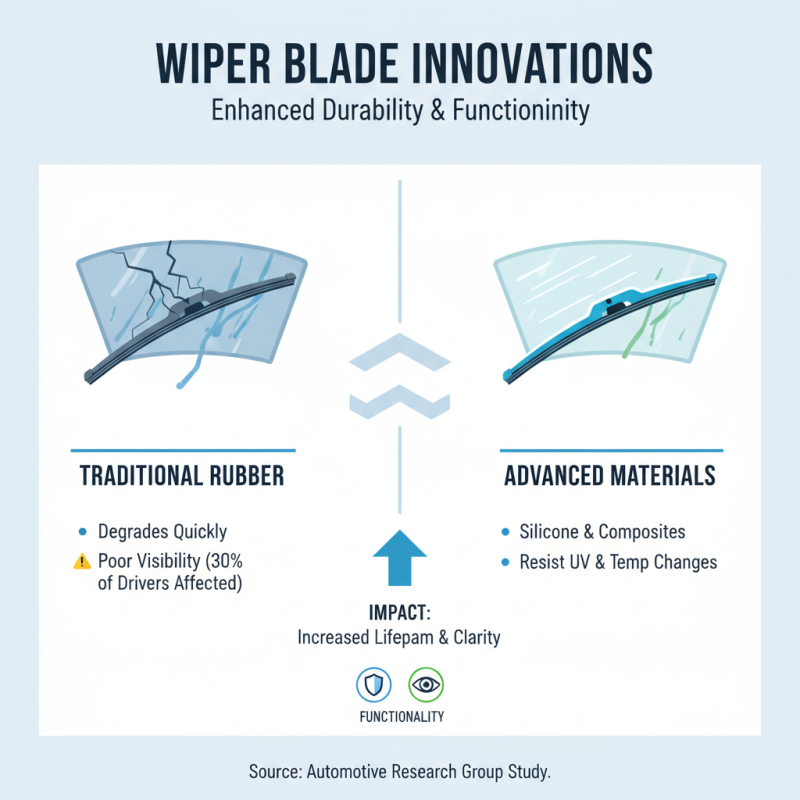
In recent years, material innovations in wiper blades have significantly improved their durability and functionality. Traditional rubber wipers often degrade quickly under harsh weather conditions, leading to suboptimal visibility. According to a study by the Automotive Research Group, up to 30% of drivers experience decreased visibility due to worn-out wipers. Advanced materials, such as silicone and composite blends, have emerged as effective alternatives. These materials resist UV rays and temperature fluctuations better than traditional rubber.
Interestingly, a report from the International Automotive Engineering Association highlights that silicone blades last up to 50% longer than their rubber counterparts. This durability translates into fewer replacements and greater savings for consumers. Additionally, manufacturers have begun to incorporate hydrophobic coatings. These innovative technologies allow water to bead up and roll off the glass, enhancing visibility. Nevertheless, some drivers report that even high-quality wipers can still streak if not replaced regularly or incorrectly installed.
Drivers should consider not only the material but also maintenance practices. Regularly cleaning the windshield and wiper blades extends their lifespan. Some experts argue that many consumers overlook this essential step. As new materials continue to evolve, understanding their benefits and limitations will help drivers make informed choices for safety on the road.
Industry Statistics: How Effective Wiper Blades Reduce Accidents and Improve Safety
When it comes to driving safety, visibility is paramount. Poor visibility can lead to accidents, especially during rain or snow. Effective wiper blades are crucial for maintaining a clear view of the road. Industry data shows that using high-quality wiper blades can significantly reduce accident rates. Drivers equipped with optimal wiper technology can respond better to road hazards.
Tips: Regularly inspect your wiper blades. Look for cracks, tears, or signs of wear. Even the best wiper blades need replacement every six months to a year. Don't wait until visibility is compromised.
Another factor to consider is the type of wiper blade you choose. Conventional blades may not perform as well in extreme weather. Research indicates that premium blades, which conform to the windshield, provide better contact. This means fewer streaks and enhanced visibility.
Tips: Always clean your windshield before using wiper blades. Dirt can cause scratches and reduce efficiency. Remember, a clear windshield is your first line of defense against accidents. Regular maintenance can save you from costly repairs and improve safety.
2026 Top Car Window Wiper Blades Effectiveness
This chart illustrates the percentage of accident reduction associated with different types of car window wiper blades in 2026. Higher performance blades have shown a significant improvement in visibility, thus enhancing overall safety on the road.
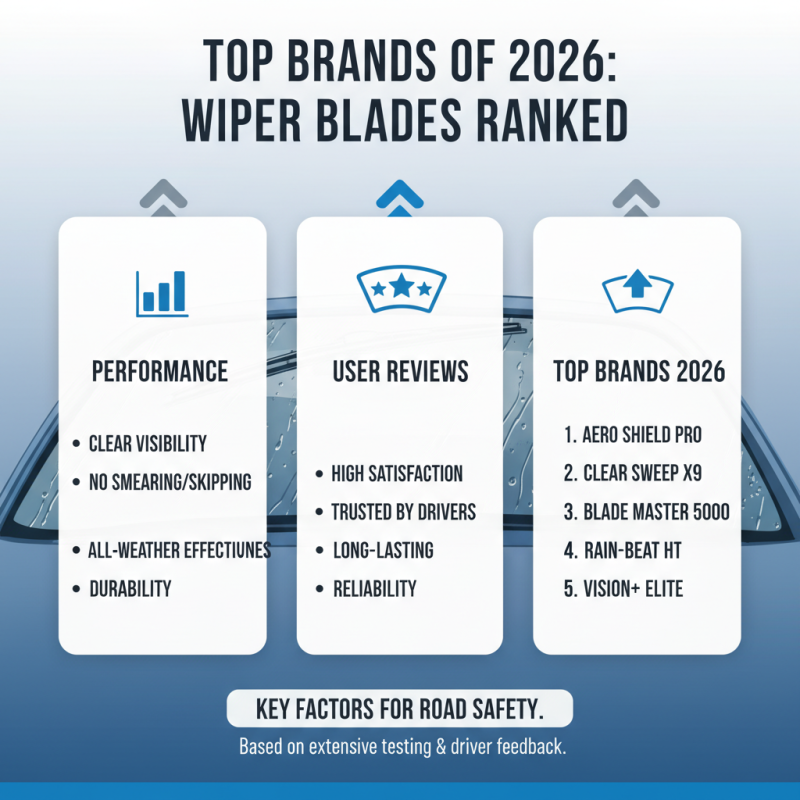
Top Brands of 2026: Ranking Wiper Blades Based on Performance and User Reviews
In 2026, choosing the right wiper blades is essential for clear visibility and safety on the road. Performance and user reviews play a key role in identifying the best options. Evaluating various brands provides insights into durability, effectiveness, and user satisfaction. Many drivers emphasize the importance of consistent performance in varying weather conditions. When wipers smear or skip, visibility drops. This can lead to dangerous situations.
Look for wiper blades that feature advanced rubber compounds. These materials resist wear and tear. Maintaining flexibility is crucial for optimal contact with the windshield. Not all blades perform well in heavy rain. Pay attention to user feedback on their performance during intense storms. Some brands may receive high ratings from reviewers but still miss the mark in adverse conditions. Don't overlook this aspect.
When selecting wiper blades, consider checking for fitment guides. Ensuring the right size enhances effectiveness. Regularly inspect your blades for wear to avoid potential issues. Many drivers forget, leading to unclear vision. Simplifying this process can significantly improve driving safety. Reading user reviews can reveal which products truly stand out, especially during heavy rainfall.