The selection of a suitable Water Wiper Car is crucial for every vehicle owner. According to a recent report by Statista, the global automotive wiper system market is projected to reach over $38 billion by 2027. An expert in automotive technology, Dr. Emily Carter, emphasizes, "Choosing the right wiper system can significantly enhance driving safety and visibility."
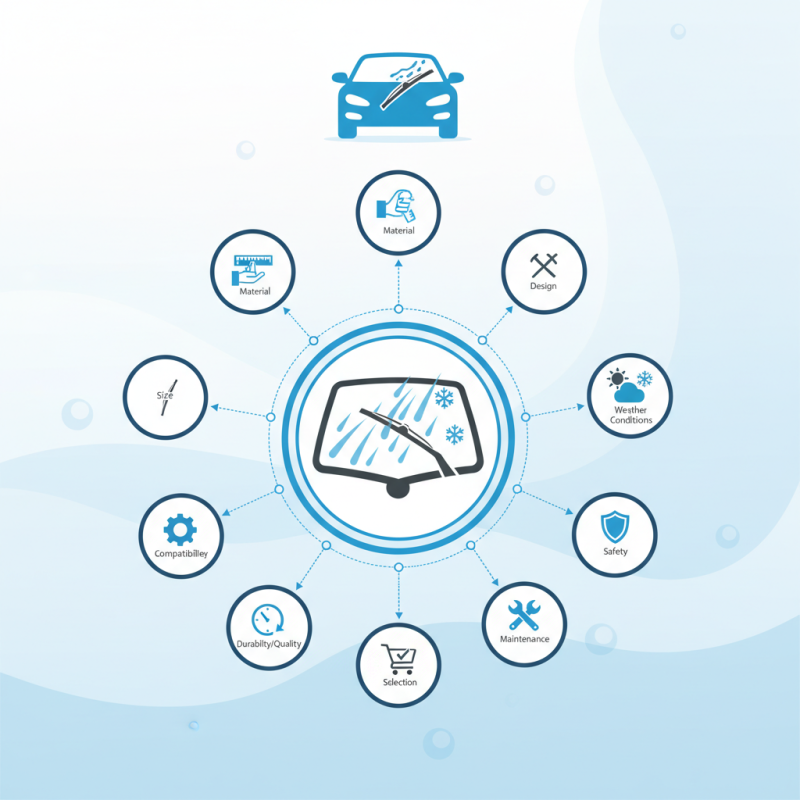
When considering a Water Wiper Car, various factors come into play. Factors include the wiper blade material, design, and size. Each aspect impacts performance in different weather conditions. Surprisingly, many consumers overlook these details, leading to inefficient choices.
As winter approaches, visibility becomes paramount. Inadequate wipers can hinder road visibility and increase accident risk. Evaluating your needs before selecting a Water Wiper Car is essential. Remember, improper selection can lead to more significant problems down the line. Always prioritize quality and compatibility with your vehicle.
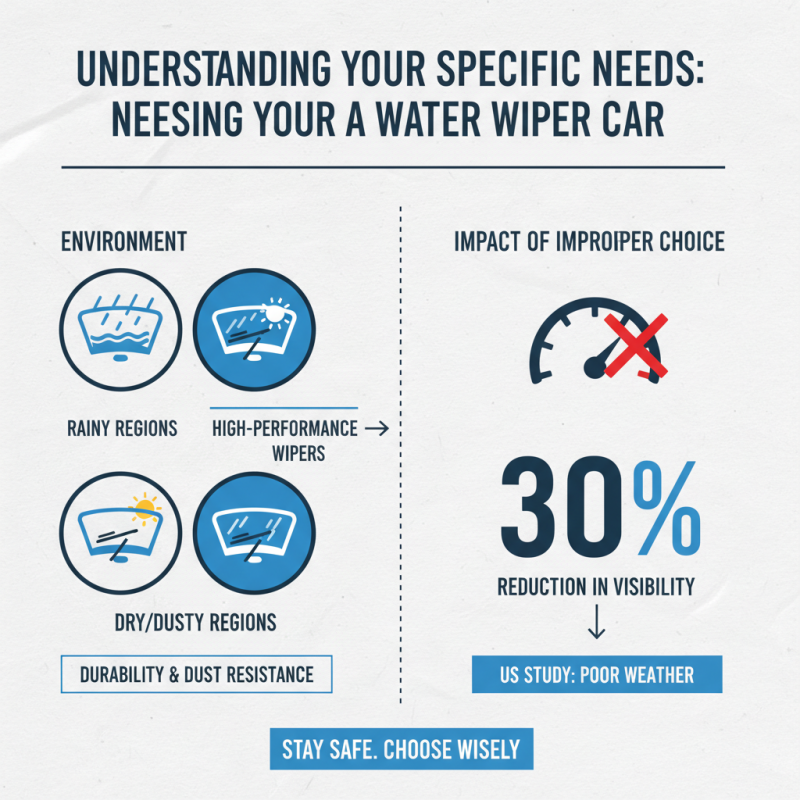
When choosing a water wiper car, understanding your specific needs is crucial. Different environments demand different features. For instance, a driver in a rainy region might prioritize high-performance wipers that excel in heavy rain visibility. A U.S. study shows that improper wiper selection can reduce visibility by up to 30% in poor weather conditions.
Consider the size and type of your vehicle. Compact cars may require smaller wipers, while SUVs need larger ones for adequate performance. Research indicates that many drivers underestimate the impact of wiper blade types; using the wrong type can lead to streaking and reduced performance. Regular replacement is essential, as worn-out wipers can compromise safety.
The climate in your area also plays a significant role. Drivers in snowy regions need wipers that can handle ice and heavy snow accumulation. Conversely, those in arid climates might look for wipers designed to withstand heat and sun exposure. Interestingly, many overlook the impact of seasonal changes on wiper effectiveness. A regular assessment of blade condition can greatly improve driving safety.
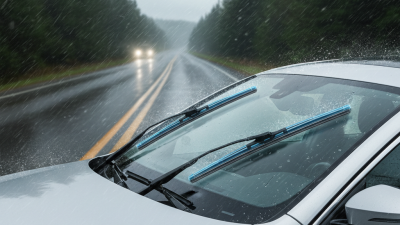
Choosing the right water wiper for your car is crucial. The market offers various types, each with unique features and benefits. You should begin by assessing your driving conditions. If you frequently drive in heavy rain, a more robust wiper type might be necessary. Consider how often you use your car. Regular usage may require wipers that can withstand wear over time.
Some water wipers come with advanced features. These include multiple speed settings and flexible blades. Keep in mind that not all wipers fit every car model. It's essential to verify compatibility. Reviews often highlight user experiences, shedding light on durability. You might find that some brands frequently receive praise for their longevity.
Do you prefer unbeatable performance or budget-friendly options? Sometimes, spending less leads to constant replacements. It’s worth reflecting on how much you're willing to invest upfront versus over time. Make sure to evaluate the warranties offered. Wipers with longer warranties often indicate manufacturer confidence. Remember, the ideal choice should align with your specific requirements.
When selecting a water wiper car, durability is a key feature to consider. Look for products made from high-quality materials. These materials resist wear and tear over time. A robust wiper can endure harsh weather. It won't easily break or malfunction. Examine user reviews to gauge performance in real-world conditions. Remember that a durable wiper saves you money in the long run.
Efficiency is another crucial aspect. An efficient water wiper reduces the need for frequent replacements. It uses water smartly, helping to maintain visibility during rainstorms. Check for features like quick activation and adjustable spray patterns. Some models offer variable speed settings that can enhance performance. However, be aware that efficiency can vary between brands. Ensure you understand the specifics before making a purchase.
Technology plays a significant role in modern water wipers. Advanced options include sensors that detect rain. Others come with programmable settings for convenience. While these tech features add value, they can also complicate maintenance. Some users may feel overwhelmed by complex technology. It's important to balance innovative features with user-friendliness. Consider how much tech you really need before deciding.
When selecting a water wiper car for your needs, compatibility is key. Each vehicle model has specific dimensions and characteristics, which greatly influence the choice of the right wiper. According to industry reports, over 30% of drivers choose wipers that do not fit their model, leading to performance issues. This not only compromises visibility but also increases the risk of accidents on the road.
Understanding the size and specifications of your vehicle is crucial. The wiper length should match your windshield dimensions precisely. A mismatch can result in poor wiping coverage and excessive wear on the wiper mechanism. For instance, a report from AutoSafety.org highlights that improperly fitted wipers can reduce effectiveness by up to 20%. Drivers often overlook the importance of checking the vehicle manual for such details.
Additionally, consider the connection type. There are several wiper arm styles, including hook, pin, and bayonet. If the wipers do not align correctly with the arm type, installation will be impossible. This common oversight can lead to unnecessary frustration and wasted time. Professionals recommend confirming compatibility before purchasing to save both time and money. Taking these factors into account ensures a safer and more reliable driving experience, enhancing overall road safety.
| Tip Number | Tip Description | Compatibility Factors | Vehicle Models | Size/Dimension |
|---|---|---|---|---|
| 1 | Check your vehicle's manufacturer recommendations. | Model year, Wiper arm style | Sedan, SUV | 24"/18" |
| 2 | Consider the weather conditions in your area. | Rain frequency, Snow potential | Compact car, Coupe | 22"/16" |
| 3 | Select wipers with a good warranty period. | Durability, Material quality | Minivan, Full-size truck | 26"/20" |
| 4 | Look for wipers with a smooth wiping action. | Blade technology, Mounting system | Hatchback, Luxury car | 24"/20" |
| 5 | Evaluate different wiper materials (rubber vs silicone). | Weather resistance, Noise production | Sports car, Electric vehicle | 24"/19" |
| 6 | Make sure the wiper fits your car's specific mounting type. | Connector type, Installation ease | Crossover, Subcompact | 21"/17" |
| 7 | Consider the length of the wiper blades for optimal coverage. | Wiper arc, Blade length compatibility | Pickup truck, Station wagon | 24"/18" |
| 8 | Research user reviews and ratings for various brands. | Consumer feedback, Performance history | All vehicle types | Various |
| 9 | Consider your budget for wiper replacements. | Cost vs. longevity | Economy cars, Luxury vehicles | Prices vary |
| 10 | Purchase from reputable sellers for warranty support. | Seller reliability, Return policy | Any model | All sizes |
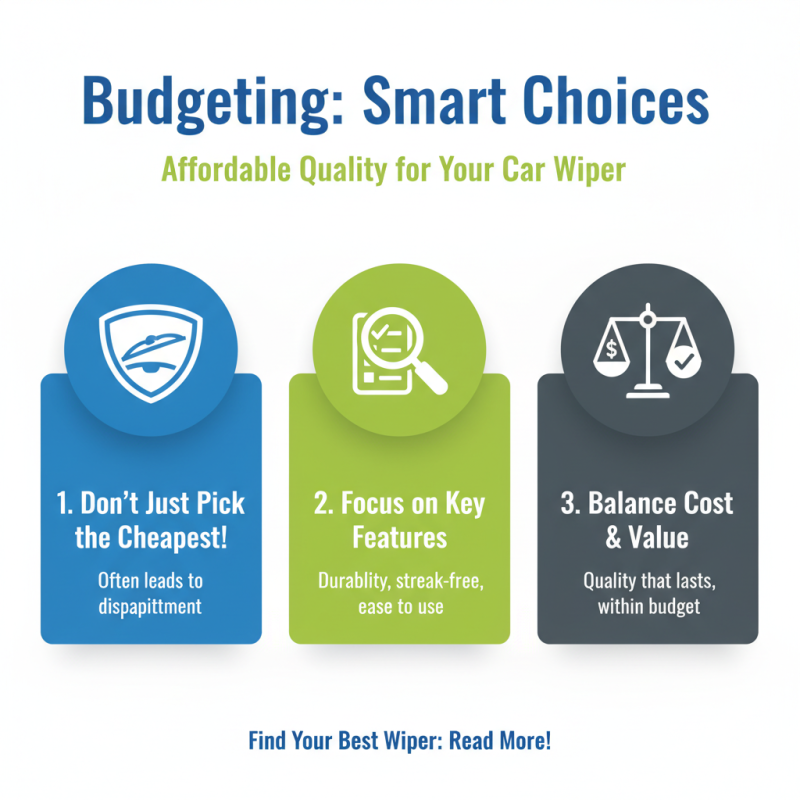
When looking for an affordable water wiper car, it's crucial to balance quality with cost. Many shoppers fall into the trap of choosing the cheapest option, which often leads to disappointment later. The key is to identify features that matter most for your needs without overspending.
Researching online is a good starting point. User reviews can provide insight into how a product performs over time. Pay attention to durability and efficiency. Sometimes, a mid-range price may offer better long-term value than a low-cost choice. This approach might require more effort, but it pays off when you avoid recurring purchases due to poor performance.
Consider warranty options as well. A good warranty can provide peace of mind and reflect the manufacturer's confidence in their product. Being patient during your search is vital. Rushing might lead you to regret your decision. Prioritize quality over instant gratification, and you’ll find an option that fits both your budget and your standards.