Leave Your Message
-
Phone
-
E-mail
-
Whatsapp
-
Whatsapp

-
Whatsapp

A single wiper can look like a small design choice. On a rainy highway, it becomes part of the driver’s view of the road. This guide to the 2026 Best Single Wiper Cars for Global Buyers examines visibility, wiping coverage, maintenance, and real-world usability—not just styling. Buyers should compare how each system clears the glass near the A-pillars, where spray and road grime can linger.
Automotive engineer John D. Graham, known for research on vehicle safety and design, offers a useful principle: “A feature matters when it works under ordinary driving conditions.” This is an editorial paraphrase, not a direct quotation. Applied to Single Wiper Cars, the point is practical: judge the sweep in heavy rain, at night, and through repeated use. Check replacement-blade availability, too. A clever mechanism is less appealing when the correct part is difficult to find.
Details count. A broad, even arc may help on a wet commute; a narrow cleared zone can leave distracting streaks beside the windshield frame. Yet published specifications do not tell the whole story. Wiper performance varies with speed, weather, glass condition, and maintenance. We should be cautious about treating one layout as automatically better. The models ahead are assessed for their strengths, compromises, and suitability across markets, so global buyers can compare them with clear expectations.
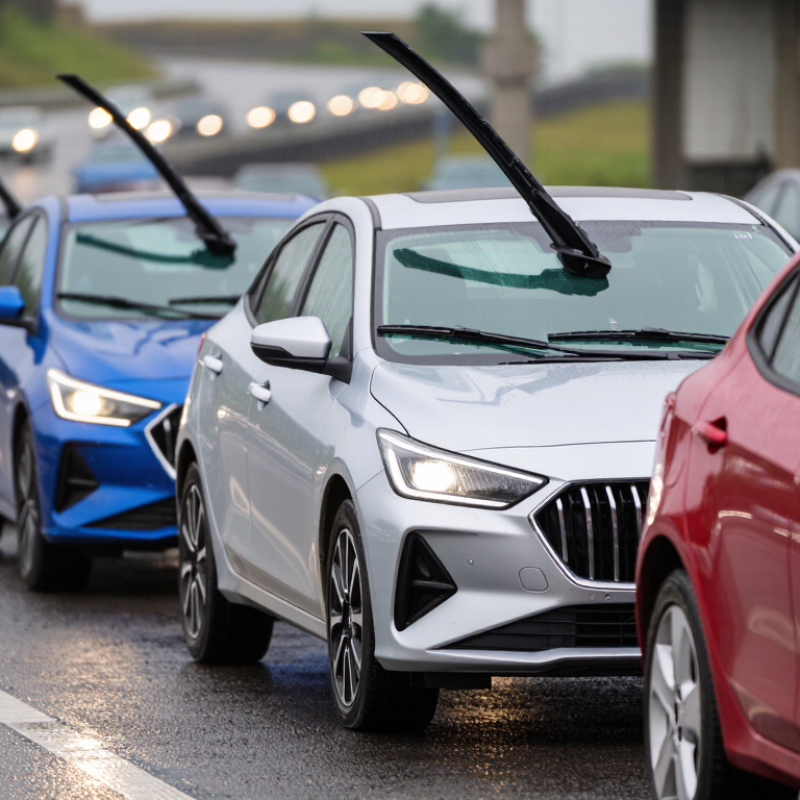
In 2026, a single-wiper car is defined by function, not visual novelty. It uses one powered arm and blade to clear the windscreen across a carefully engineered sweep. The system must preserve the driver’s primary viewing zone during rain, spray, and road grime. A wide arc alone is not enough. Engineers also study blade pressure, parking position, wiping speed, and edge coverage. In left-hand-drive and right-hand-drive markets, the sweep should suit the driver’s sightline. This detail matters.
Modern designs may connect the wiper to rain sensors, cameras, heated washer jets, and software that adjusts speed. Buyers should inspect the cleared area from the driver’s seat, not only view promotional images. Look for clean coverage near the upper corners and lower central glass. Watch for chatter at 80–100 km/h, when airflow can lift a poorly loaded blade. Replacement availability is equally practical. A special blade shape may perform well, yet become expensive or difficult to source abroad. Ask about service intervals and local parts support.
A reliable evaluation should include a night drive, light drizzle, heavy spray, and a cold-start test when local conditions allow. Check whether the arm parks without blocking cameras or damaging the bonnet edge. Safety rules differ between markets, so buyers should verify current visibility and equipment requirements with local authorities or qualified inspectors. The concept looks simple. It is not. A single blade can leave small untreated zones, especially after uneven wear. My own preference would be measurable visibility over dramatic styling, though that judgment still deserves testing in real weather.
A single-wiper car uses one front windscreen-wiper arm and blade to clear the primary driver-view area. The design is normally mounted near the center or offset toward one side of the windscreen and may use a pantograph or telescopic linkage to increase coverage.
| Vehicle Profile | Typical Single-Wiper Layout | Typical Sweep Coverage | Best Use Case | Key Advantages | Potential Limitations | Global-Buyer Suitability |
|---|---|---|---|---|---|---|
| Compact hatchback | Center-mounted arm with a long blade and controlled arc | Approximately 170°–200° of the windscreen, depending on glass shape | Urban driving, commuting, and moderate-speed motorway use | Simple visual layout, lower part count, and effective driver-side visibility when correctly calibrated | Coverage near the outer passenger-side corner may be limited; replacement blade length must match the original specification | Strong choice |
| Low-roof sports coupe | Center-mounted pantograph or telescopic arm | Approximately 160°–190° | Dry and temperate climates where aerodynamic packaging is important | Clean bonnet design, compact parked position, and reduced visual obstruction | Long blades can be expensive; performance may decrease when snow or ice increases wiping resistance | Good in mild climates |
| Fastback passenger car | Offset single arm or wide-arc center system | Approximately 150°–185° | Long-distance travel and mixed urban–motorway driving | Can provide broad forward visibility while preserving a streamlined windscreen design | Outer windscreen edges may remain partially wet during heavy rain | Good with wide sweep |
| Small electric passenger car | Lightweight center-mounted arm with electronically controlled intermittent wiping | Approximately 160°–190° | City mobility and regions where low aerodynamic drag is a priority | Potentially lower mechanism weight and efficient packaging beneath the windscreen edge | Electronic controls and proprietary linkage parts may make repairs less convenient in smaller markets | Suitable for cities |
| Large luxury passenger car | Long center-mounted blade or specialized pantograph arrangement | Approximately 170°–210° | High-speed travel and regions with frequent rain | Can deliver a broad continuous swept area when the motor, linkage, and blade are correctly matched | Large windscreens require strong motor torque; repair costs and parts availability should be checked before purchase | Best with local support |
| Cold-climate passenger car | Single arm with high-torque motor, heated rest area, or winter-position control | Approximately 160°–190° in normal operating conditions | Snow-prone regions and seasonal winter driving | Can perform reliably when equipped with suitable winter controls and correctly rated components | A single long blade can experience high snow load; frozen blades must never be forced by the motor | Check winter equipment |
| Hot and dusty climate passenger car | Center-mounted arm using a durable rubber blade and sealed linkage | Approximately 160°–190° | Dry regions with occasional heavy rain and airborne dust | One blade can be easier to inspect and clean regularly | Dust, sand, and prolonged ultraviolet exposure can accelerate rubber wear and produce screen scratching if maintenance is neglected | Suitable with frequent care |
| Right-hand-drive market vehicle | Center-mounted design or arm geometry optimized for the right-side driver viewing zone | Approximately 160°–200° | Countries using right-hand-drive vehicles and left-side traffic | Can maintain adequate visibility for the driver when the sweep pattern is designed for the correct seating position | Imported vehicles may have a sweep pattern optimized for the opposite driving position | Verify driver-side coverage |
| Left-hand-drive market vehicle | Center-mounted design or arm geometry optimized for the left-side driver viewing zone | Approximately 160°–200° | Countries using left-hand-drive vehicles and right-side traffic | Good driver-side visibility when the arm parking position and sweep direction match the vehicle configuration | Imported vehicles may require different parts or may leave the driver-side viewing zone less effectively cleared | Verify driver-side coverage |
| Used imported single-wiper car | Any factory single-arm arrangement, subject to previous repairs | Depends on the original design and condition | Buyers seeking distinctive styling or a specialized configuration | May offer a lower purchase price and an uncommon windscreen layout | Check homologation, parts supply, blade length, motor condition, sweep limits, and windscreen damage before purchase | Needs detailed inspection |
Buyer checklist: Confirm the actual swept area from the driver’s seat, test the wiper at every speed, inspect the blade for splitting or hardening, verify the parking position, check local replacement-part availability, and make sure the vehicle meets the destination market’s visibility and road-safety requirements. Sweep angles and equipment vary by vehicle configuration and should be treated as typical engineering ranges rather than universal specifications.