What Are Single Wiper Cars and How Do They Work?
Single Wiper Cars attract attention through a simple, unusual design: one windscreen wiper replaces the familiar paired system. Instead of moving two blades from separate pivot points, a central motor drives one longer arm across the glass. The blade follows a wide arc, clearing rain from the driver’s forward view. It looks minimal. Its engineering is not.
Inside the mechanism, an electric motor turns a linkage connected to the wiper arm. The linkage controls speed, direction, and the blade’s resting position. Some systems sweep from the lower centre toward both upper corners. Others use a longer, angled arm to cover more glass. A pressure spring keeps the rubber blade against the windscreen, even when airflow becomes strong. The washer nozzle adds cleaning fluid before the blade completes its pass.
This layout can reduce visible hardware and create a distinctive appearance. However, coverage depends on the windscreen shape, arm length, motor strength, and blade pressure. One wiper does not automatically clean better. That assumption needs caution. A missed strip near the passenger side can remain noticeable during heavy rain. Engineers must also consider ice, snow, vibration, and rubber wear. In real driving, a worn blade may leave narrow water trails across the glass.
Understanding Single Wiper Cars requires more than admiring their style. Their performance comes from careful geometry, reliable components, and regular maintenance. This guide examines how the system works, why manufacturers and enthusiasts use it, and where its practical limits appear.
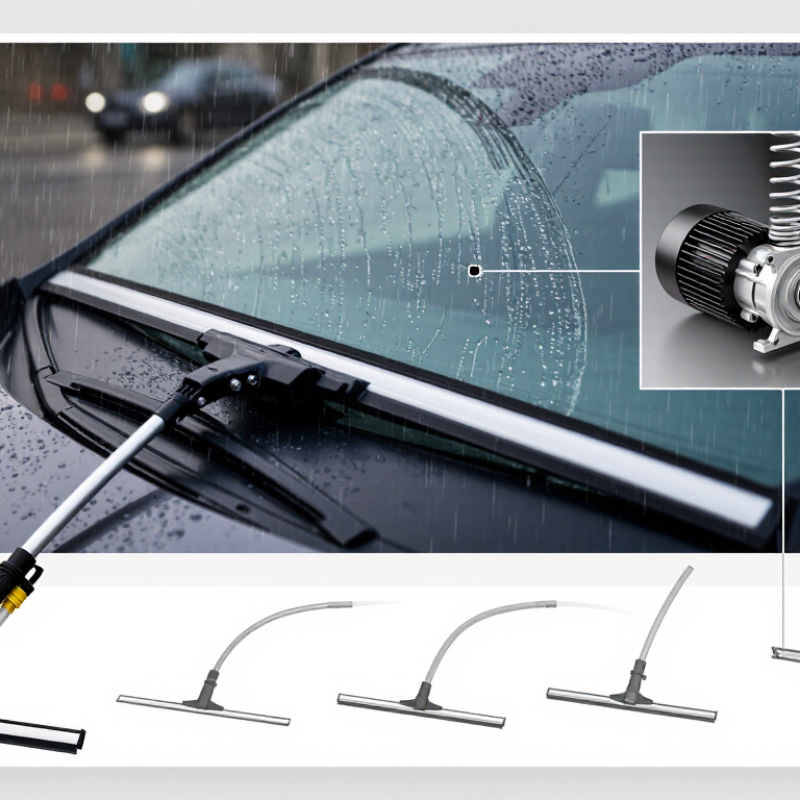
Definition and Key Features of Single Wiper Cars
A single wiper car uses one windshield wiper instead of the common paired design. Usually, the blade rests near the lower center of the windshield. A compact electric motor turns a crank beneath the glass. This motion drives a linkage and moves the blade across a wide arc. The wiper may sweep from one side to the other, then return to its parked position.
Its key feature is coverage from a single blade. The arm is often longer, and its movement can be carefully shaped for the windshield’s size. This arrangement may reduce visible hardware and create a cleaner appearance. However, the design is not flawless. Heavy snow, dry dust, or worn rubber can reduce contact with the glass. A single damaged blade may also affect a large viewing area. The wiping pattern depends on accurate linkage movement, so looseness can cause missed sections or uneven pressure.
Tips: Check the blade edge for cracks, splitting, or hard spots. Clean the windshield before testing the system. Listen for clicking sounds near the lower glass. These sounds may suggest linkage wear. Replace the blade when it leaves narrow water trails. Also inspect the washer spray direction. A well-positioned spray helps the blade clear dirt more evenly. Yet, even a good system needs careful adjustment.
What Are Single Wiper Cars and How Do They Work?
A single-wiper system uses one centrally mounted blade and a motor-driven pivot or linkage to sweep a wide arc across the windshield. The chart shows representative values commonly used in automotive single-wiper designs; exact specifications vary by vehicle.
Types of Single Wiper Designs and Linkages
Single-wiper cars use one long blade to clear a broad windshield area. Their design usually depends on sweep angle, blade length, and linkage geometry. According to the Federal Highway Administration, about 75% of weather-related crashes occur on wet pavement. This makes consistent glass coverage more than a styling choice.
The simplest system uses a center pivot and a radial sweep. The blade travels like a clock hand, leaving a curved cleaning path. Some designs use a pendulum linkage, moving from one side to the other. Others use an articulated pantograph linkage. Small joints keep the blade closer to the glass, especially near the windshield edges. A motor turns a crank, while connecting rods transfer motion to the pivot. A park switch returns the blade to its lower resting position.
Mechanics often inspect the linkage before replacing the motor. A worn joint can create uneven pressure, chatter, or missed zones. The SAE J903 wiper-performance standard highlights visibility, sweep area, and operating reliability as key evaluation points. Yet real-world wear is messier. Snow load, hardened rubber, and dry glass can change the result.
Tips: Measure the blade’s sweep before judging coverage. Check pivot looseness by hand. Use washer fluid, not a dry windshield. A longer blade is not automatically better; it may overload the linkage or strike the frame.
Advantages and Limitations of Single Wiper Systems
What Are Single Wiper Cars and How Do They Work?
A single wiper system uses one motor, arm, and blade to clear a wide windshield arc. Its linkage usually guides the blade across the glass in a sweeping or pantograph motion. The blade may travel farther than a conventional pair, reaching the upper corners with carefully designed geometry. The mechanism looks simple. It is not always simple.
The main advantage is packaging. Fewer visible components can improve airflow, reduce visual clutter, and simplify service access. A single blade can also create strong contact pressure along its length. That matters during heavy rain. The Federal Highway Administration’s Road Weather Management Program estimates that weather affects about 21% of U.S. crashes. Rain accounts for roughly 46% of weather-related crashes, while wet pavement contributes to about 75%. Clear wiping is a safety function, not decoration.
Limitations appear at the edges. One long blade may leave small unwiped zones near the pillars or lower corners. Snow and ice also place greater stress on the motor and arm. FMVSS No. 104 sets functional windshield-wiping requirements, but it does not guarantee perfect visibility in every vehicle design. Replacement blades can be less forgiving, too. A slightly bent arm may create a narrow, irritating smear. That trade-off is easy to underestimate. In practice, performance depends on blade pressure, glass shape, washer fluid, and maintenance—not the blade count alone.
Maintenance, Safety, and Common Applications
What Are Single Wiper Cars and How Do They Work?
Maintenance, Safety, and Common Applications
A single wiper car uses one extended arm to clear most of the windshield. The arm usually sits near the center and moves through a wide, controlled arc. A motor drives a linkage beneath the glass, while the blade follows the windshield’s curved surface. Some systems use a special arm design to reach the upper corners. The layout looks simple, but timing and blade pressure matter greatly.
Maintenance starts with the rubber blade. Replace it when it leaves streaks, skips, or makes a rough scraping sound. Clean the blade with a damp, lint-free cloth. Check the washer spray, pivot points, and visible wiring during routine inspections. Never force the arm across ice or packed snow. That small mistake can damage the linkage or motor. I would also avoid judging the system by one dry sweep; dry glass increases friction and hides other problems.
Safety depends on clear vision, especially at night or during heavy rain. Keep the washer reservoir filled with suitable fluid. Do not drive when the blade leaves large untouched areas. A single wiper may work well on compact cars, performance vehicles, specialty transport, and some commercial designs. Its wide sweep can reduce mechanical parts and improve styling freedom. However, effectiveness depends on windshield shape and correct adjustment. Local vehicle rules may also set visibility requirements, so owners should check official inspection guidance.