What is a Frameless Wiper Blade and How Does It Work?
Frameless wiper blades represent a significant innovation in automotive technology, gaining popularity for their sleek design and improved performance. According to a recent report by MarketsandMarkets, the global wiper blade market is projected to reach $8 billion by 2025, with frameless designs taking a substantial share due to their effectiveness in adverse weather conditions.
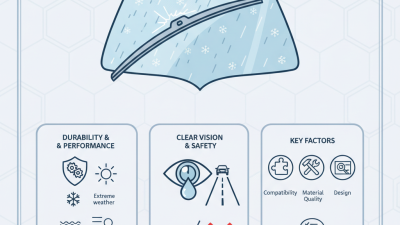
Unlike traditional wipers, frameless wiper blades utilize a flexible structure that distributes pressure evenly across the windshield. This technology enhances contact with the glass, ensuring superior visibility during rain or snow. Industry experts emphasize that their design reduces lift and wind noise, further improving driver comfort. However, these vehicles may require occasional maintenance, as dirt accumulation can affect performance.
While frameless wiper blades have many advantages, they are not without potential drawbacks. Some user reviews point to durability concerns, especially in extreme temperatures. Understanding the balance between aesthetics and functionality is key. Overall, frameless wiper blades offer a modern solution to a common problem, promising better windshield clarity and driving safety.

What Is a Frameless Wiper Blade?
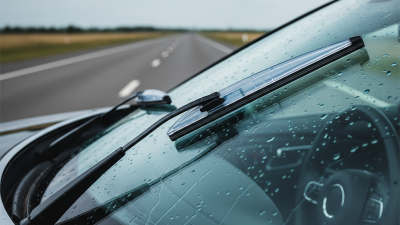
Frameless wiper blades, also known as beam wipers, are designed with a sleek profile that offers improved visibility during harsh weather conditions. Unlike traditional wiper blades, frameless blades lack the metal frame, allowing for a more uniform pressure distribution along the blade. This design helps ensure that the entire surface of the blade maintains contact with the windshield, minimizing streaks and improving overall performance.
According to a recent report by the Automotive Aftermarket Suppliers Association (AASA), frameless wiper blades have gained significant popularity, with market growth projected at 6% annually. One reason for this rise is the adaptability of frameless designs to various vehicle shapes. They can bend and flex better than their framed counterparts. For users, this means a clearer view in rain or snow. However, frameless wiper blades can struggle with ice build-up, creating areas of ineffective wiping.
Another compelling fact is that frameless wiper blades often incorporate advanced materials, such as silicone and natural rubber, to enhance durability. Although these components improve longevity, they can be more expensive. Alongside these benefits, maintenance is crucial. Regularly checking the wiper condition can prevent streaking and ensure optimal performance over time. Each feature needs careful consideration, as preference ultimately rests with the driver's specific requirements and driving conditions.
Key Components of Frameless Wiper Blades
Frameless wiper blades have gained popularity due to their sleek design and efficient performance. The core component of these blades is the rubber wiping element. Unlike traditional blades, frameless designs lack a metal frame, which allows for better visibility and reduced wind lift at high speeds. This design enables the rubber to closely conform to the windshield's curvature, removing water more effectively.
Another critical component is the flexible tensioning system. It uses a series of spring-like elements that provide consistent pressure across the entire length of the blade. This ensures even contact with the windshield, enhancing performance in adverse weather conditions. Additionally, the aerodynamic profile of frameless blades minimizes noise and vibration, contributing to overall driving comfort.
Despite their advantages, frameless wiper blades may require more careful maintenance. Debris can build up easier without a protective frame. Regular inspection is essential to ensure optimal performance. If the rubber deteriorates over time, it may need early replacement. Knowing when to change them can prevent streaks and inefficient wiping. This awareness can make a significant difference in your driving experience.
How Frameless Wiper Blades Operate
Frameless wiper blades are a modern solution for clearing your windshield. These blades lack the traditional frame, relying on a flexible design to conform better to the glass. This unique structure allows for improved contact and more effective cleaning.
How do these blades work? Frameless wiper blades feature a sleek, aerodynamic design. They use multiple pressure points along the blade, distributing force evenly. This means fewer streaks and better visibility during storms. The rubber material is specially formulated to resist wear and tear, making these blades durable and efficient.
When using frameless wiper blades, ensure they are the correct size for your vehicle. A good fit promotes optimal performance. Regularly inspect them for damage, such as tears or cracks. Replace them at least once a year to maintain visibility. A quick tip: clean the wiper blade rubber periodically for better contact with the glass. Proper maintenance can extend their life and improve effectiveness.
Frameless Wiper Blade Performance Comparison
Advantages of Using Frameless Wiper Blades
Frameless wiper blades have gained popularity due to their sleek design and efficiency. Unlike traditional wipers, they lack a bulky frame. This construction allows for better visibility and a cleaner wipe. Studies show that frameless blades provide up to 30% more surface contact with the windshield. This results in improved performance, especially in inclement weather.
One significant advantage of frameless wiper blades is reduced wind lift. Their aerodynamic design helps them stay in contact with the glass, even at high speeds. According to a 2022 automotive safety report, using frameless wipers can decrease the chance of streaks by 25%. Many drivers appreciate this benefit, as streaks can obscure vision while driving.
Durability is another essential aspect to consider. Frameless blades typically use high-quality rubber, ensuring a longer lifespan. Data indicates that these blades can last up to 40% longer than traditional options in some conditions. However, users should regularly inspect their blades. Maintenance is crucial because wear can reduce effectiveness. Ensuring optimal performance involves careful attention to the wiper condition, as neglect may lead to decreased visibility and safety risks.
Installation and Maintenance Tips for Frameless Wiper Blades
Frameless wiper blades are becoming increasingly popular for their sleek design and enhanced performance. However, proper installation and maintenance are crucial for optimal effectiveness. A 2022 industry report indicated that nearly 70% of wiper blade failures stem from improper installation.
To install frameless wiper blades, ensure your vehicle’s arm is clean. Remove the old blade carefully. Align the new wiper blade with the arm and snap it into place. Double-check that it is securely attached. If uncertain, follow the installation instructions provided in the user manual. Avoid rushing through this step; even a small mistake can impair visibility.
Regular maintenance can extend the life of frameless wiper blades. Inspect them monthly for signs of wear, such as cracks or streaks on the windshield. Clean the blades with soapy water to remove dirt and debris. This simple task can improve performance by up to 30%.
If you notice a decrease in wiping efficiency, consider replacing the blades. Industry experts recommend changing wiper blades every six months to a year. Be mindful of factors like extreme weather, which can wear them down faster. Keep an eye on your blades to ensure safe driving, especially in rain or snow.