Why Choose Auto Wipers for Your Vehicle Needs?
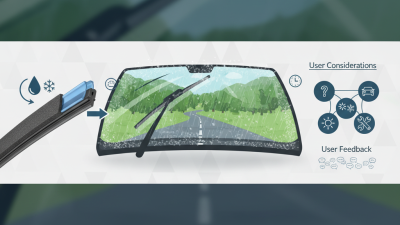
Choosing the right accessories for your vehicle is essential for safety and convenience. Auto wipers play a crucial role in ensuring clear visibility during adverse weather conditions. These innovative tools automatically adjust their speed and frequency based on the amount of rain detected. This feature not only enhances driving comfort but also increases safety.
Consider how often you face unpredictable weather. Having auto wipers means you are always prepared. They efficiently clear away rain and improve your vision on the road. The automatic sensors take the hassle out of adjusting wiper settings manually. This allows drivers to focus more on the road and less on their vehicle.
While auto wipers offer many benefits, some may find their reliance on technology unsettling. Regular maintenance and occasional calibrations are necessary to ensure proper functionality. Reflecting on these aspects can help you weigh the advantages against the challenges. Overall, auto wipers provide reliable performance and peace of mind for your driving experience.

Advantages of Auto Wipers Over Manual Wipers
Auto wipers have become a popular choice among vehicle owners. They offer several advantages over manual wipers, making them a smart investment. According to industry reports, automatic wipers can enhance visibility by adjusting speed based on rain intensity. This feature significantly reduces the risk of accidents, as the driver maintains optimal visibility during inclement weather.
Manual wipers require constant attention and adjustment from the driver. Not everyone reacts swiftly to changing weather conditions. A study from the National Highway Traffic Safety Administration (NHTSA) noted that poor visibility accounts for nearly 50% of weather-related crashes. Auto wipers mitigate this issue by automatically activating when they detect moisture, allowing the driver to focus on the road.
Tips: Regular maintenance of your wiper blades is essential. Replace blades every six months to ensure peak performance. Check for streaks on your windshield, which can indicate worn-out blades. Automatic wipers do have their flaws; they may activate unexpectedly in light rain. Drivers should remain aware and ready to adjust settings when needed. The learning curve can be an adjustment, but the benefits are worth it.
Advantages of Auto Wipers Over Manual Wipers
How Auto Wipers Improve Driver Safety and Visibility
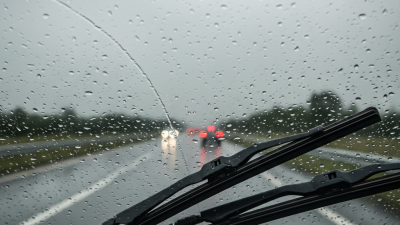
Auto wipers are a game changer when it comes to driving safety. These wipers automatically adjust their speed according to rainfall intensity. Imagine driving in heavy rain, and your wipers are already working efficiently, ensuring clear visibility. That’s safety in action. The ability to respond quickly to changing conditions is crucial. It significantly reduces the driver’s distraction, allowing for better focus on the road.
Enhanced visibility can prevent accidents. Studies show that most driving errors occur due to poor visibility. With auto wipers, water is cleared away quickly. Drivers can see obstacles ahead, pedestrians, and traffic signals more clearly. Regular wiper blades may struggle to keep up. This lag can lead to risky situations. Trusting technology like auto wipers means more confidence in driving under adverse weather conditions.
However, it's essential to maintain these systems. Lack of maintenance can lead to failure when most needed. Drivers should ensure that sensors are working and blades are in good condition. Regular checks can help avoid potential pitfalls. Relying solely on technology without oversight can be risky. Balancing technology with proper maintenance creates a safer driving experience.
Key Features to Look for When Choosing Auto Wipers
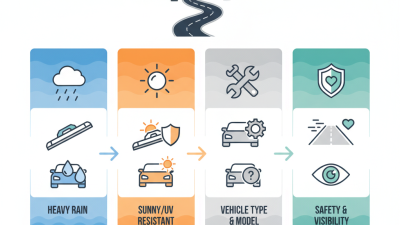
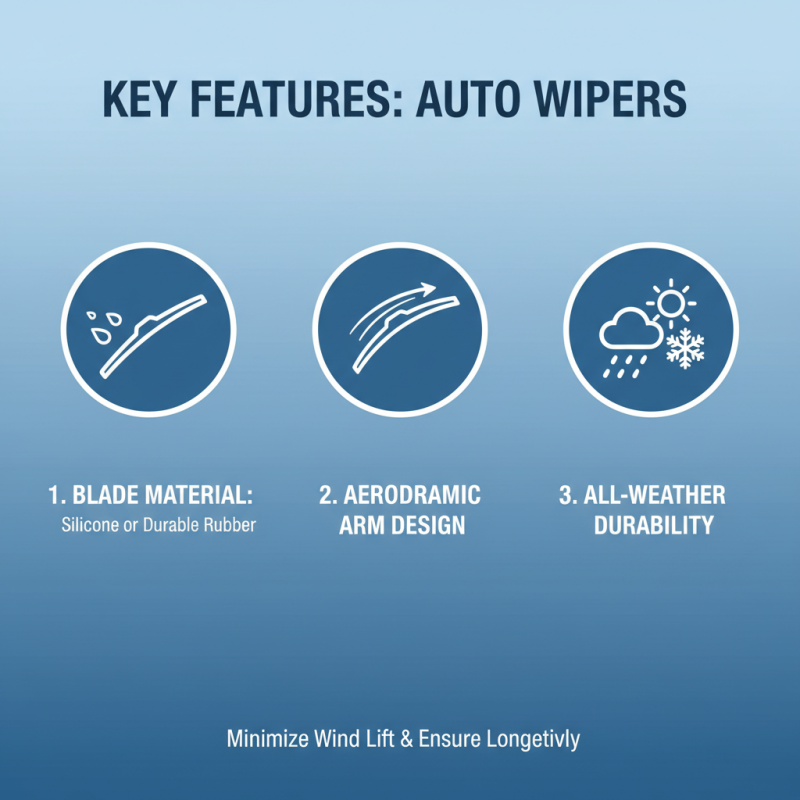
When choosing auto wipers, several key features should guide your decision. The blade material is crucial. Look for silicone or rubber that can withstand various weather conditions. A durable material ensures longevity and optimal performance. Additionally, pay attention to the design of the wiper arms. Aerodynamic designs minimize wind lift, allowing for seamless operation even at high speeds.
Another important aspect is the adaptability of the wipers. Some models come with easy-to-install attachments. This feature makes replacements hassle-free. Examine the size options as well. Wipers need to fit your vehicle perfectly for effective coverage. Poor fitting can lead to streaks and reduced visibility during rain.
Lastly, consider the technology behind auto wipers. Sensors that detect rain can enhance convenience, ensuring wipers activate automatically. However, these systems may sometimes malfunction, leading to reliance on technology. Reflect on your needs and driving environment before making a choice. Finding the right auto wipers is not just about brand; it’s about meeting your specific requirements.
The Technology Behind Auto Wiper Systems
Auto wiper systems leverage advanced technology to enhance vehicle safety and convenience. These systems utilize sensors to detect rain, activating the wipers automatically. According to a recent report by Grand View Research, the global auto wiper system market is projected to grow at a CAGR of 7.3% from 2021 to 2028. This growth reflects increasing consumer demand for smart vehicle features that improve driving experiences.
The technology involves sophisticated rain sensors that measure precipitation levels. When rain is detected, the sensor triggers the wiper blades to operate, decreasing the need for manual intervention. A study by MarketsandMarkets indicated that nearly 50% of all new vehicles now come equipped with these systems as standard. Such integration enhances driver focus, reducing the risk of accidents in adverse weather.
However, these systems are not without limitations. Issues like sensor miscalibration can lead to premature activation or deactivation, causing inconvenience. Additionally, the complexity of these systems may lead to increased repair costs. Regular maintenance remains crucial to ensure optimal functioning and reliability. Despite these drawbacks, the benefits of auto wiper systems often outweigh the challenges they present.
Maintenance Tips for Ensuring Optimal Performance of Auto Wipers
Auto wipers play a crucial role in maintaining visibility during adverse weather conditions. To ensure they function optimally, regular maintenance is essential. Check the wiper blades for wear and tear. Frayed edges can lead to streaks and poor visibility. It is recommended to replace blades every six months to a year, depending on usage. Inspect the windshield regularly for any obstructions that might affect wiper performance.
Cleaning wiper blades is equally important. A simple wipe with a damp cloth can remove dirt and debris. This small task can significantly extend the blade's lifespan. Additionally, make sure the wiper motor and arm are functioning properly. Listen for unusual sounds during operation. Chattering or skipping indicates potential issues. Address these problems promptly to avoid further complications.
Weather can take a toll on auto wipers. Extreme temperatures and ice can damage blades. During winter, consider using winter-specific wiper blades. They are designed to withstand harsh conditions. It's also wise to keep the windshield clean and free of ice before using the wipers. These maintenance tips can prevent unnecessary replacements and ensure reliable performance when you need it most.
Why Choose Auto Wipers for Your Vehicle Needs? - Maintenance Tips for Ensuring Optimal Performance of Auto Wipers
| Aspect |
Details |
| Type of Auto Wiper |
Conventional, Beam, Hybrid |
| Blade Material |
Rubber, Silicone, Premium Coatings |
| Common Issues |
Streaking, Chattering, Noisy Operation |
| Maintenance Frequency |
Every 6-12 months |
| Tips for Maintenance |
Regular Cleaning, Inspect for Wear, Replace When Necessary |
| Benefits of Auto Wipers |
Improved Visibility, Reduced Driver Fatigue, Enhanced Safety |
| Replacement Indicators |
Cracks, Tears, Inconsistent Wiping |