Clear vision depends on more than a fresh blade. The wrong fit can leave a wet crescent across the driver’s view, chatter over dry glass, or lift at highway speed. The Federal Highway Administration’s Road Weather Management Program estimates that weather contributes to about 1.2 million vehicle crashes each year in the United States. That figure does not measure wiper performance, but it shows why dependable visibility deserves careful attention.
Choosing a Metal Wiper Blade means matching the blade to the vehicle, not simply buying the heaviest frame. Check the owner’s manual for blade length and attachment type. Then consider the frame’s corrosion resistance, the rubber’s flexibility in local temperatures, and whether the blade presses evenly against the windshield’s curve. A sturdy frame can still perform poorly if its connector sits loosely or its refill does not suit the glass. Small details matter.
The right choice is specific. Rainfall, winter exposure, parking habits, and replacement access all change what makes sense. The FHWA report offers a useful safety context, while the vehicle maker’s fitment information is the practical starting point. I cannot responsibly attribute a quotation to a named Metal Wiper Blade expert without a verifiable source, so I will not invent one. That limitation matters: a confident-sounding quote is not evidence. Begin with fit, inspect the contact edge, and judge performance on a clean, wet windshield—not by appearance alone.
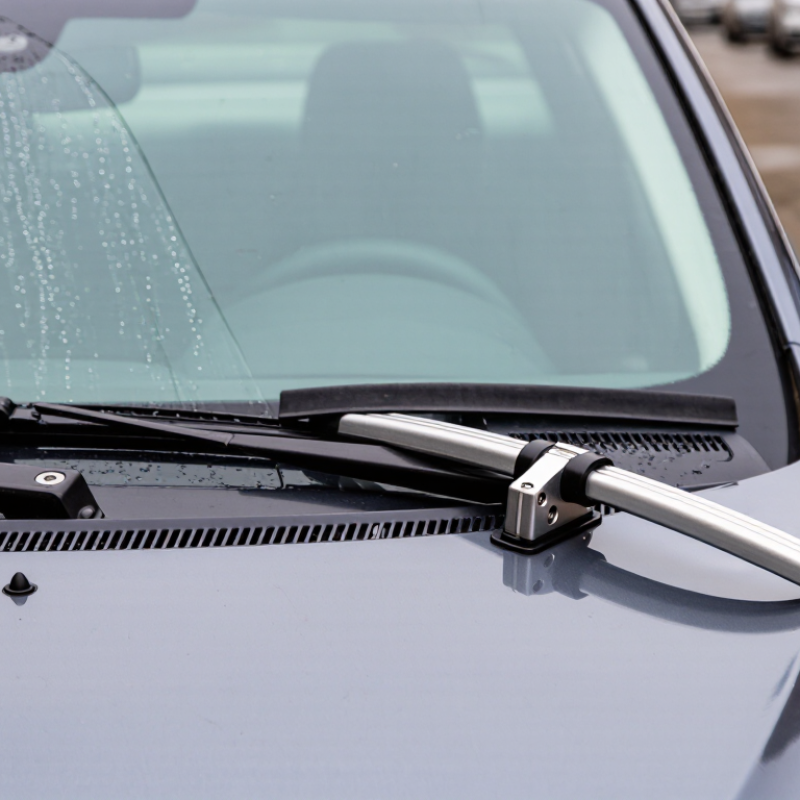
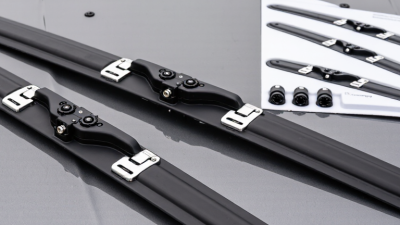
A conventional metal wiper blade uses a steel frame, hinged joints, and a flexible rubber wiping edge. The frame’s small pivots distribute spring pressure along the glass, helping the edge follow the windshield’s curve. During use, the rubber lip flips direction at each stroke and pushes water aside. The design is simple, but worn joints or hardened rubber can leave narrow streaks. That detail matters in real rain.
FHWA’s weather-crash analysis estimates that about 1.2 million crashes occur annually in weather-related conditions, roughly 21% of all crashes. Clear windshield vision is therefore more than a comfort issue.
When choosing a replacement, check the vehicle’s specified length and connector, then inspect the frame for smooth movement and corrosion. A longer blade is not automatically better; it may overlap, strike trim, or leave part of the glass uncovered. SAE J903 describes performance requirements and test methods for passenger-car windshield wiping systems, providing a useful technical reference.
Tips: Compare the new blade’s connector with the old one before installation. Run it on a wet windshield, not a dry one. Watch for chatter, missed arcs, or uneven contact. A metal frame can feel sturdy, yet its exposed joints may collect ice or grit; durability depends on conditions and maintenance, too.

Before choosing a metal wiper blade, check the vehicle’s exact year, make, model, and body style. A trim change can affect the wiper arm or connector, even when the vehicle name stays the same. Consult the owner’s manual or a reliable fitment guide, then compare the listed attachment with the arm on your vehicle. Small details matter.
Blade length is not a guess. Many vehicles use different lengths on the driver and passenger sides, and some have a separate rear blade. Measure the existing blades from end to end, or use the vehicle-specific size chart. A worn blade may be bent or distorted, so its measurement might not be reliable. I would cross-check it rather than trust one number alone.
Before buying, confirm that the metal blade’s adapter fits securely and that the recommended lengths match both sides. After installation, lower the arms gently and test the blades with washer fluid. Listen for clicking and check for missed patches or contact with the windshield edge. A blade that looks right can still fit poorly; that is an easy detail to overlook.
A metal wiper blade can be the right length and still fail to fit. The connector must match the arm: common designs include hook, pin, bayonet, and top-lock styles. Check the vehicle manual or the removed blade before buying. Shape matters more than appearance.
The Federal Highway Administration estimates about 1.2 million weather-related crashes each year, based on 2007–2016 data. That figure is a reminder that clear visibility matters, especially in rain. It does not measure connector failures, though. Fit the blade carefully rather than assuming a familiar-looking adapter will work.
At installation, align the adapter with the arm and listen for a firm click. Then tug gently to confirm it is locked. No click? Stop and recheck the adapter instructions; forcing it can damage the latch. Test the blade on wet glass, watching for gaps, chatter, or uneven contact. A quiet sweep is encouraging, not proof of a perfect fit. I would check the connector again after the first few uses; small installation details are easy to miss.
Metal wiper frame material affects rigidity, weight, and corrosion resistance. Coated steel is common because it holds pressure well and can handle repeated movement. Its protective coating may wear at hinge points, where grit and friction expose small patches of metal. Stainless steel generally resists rust better in damp, salty conditions, but it is not immune to corrosion or weak joint design. Aluminum can reduce weight, though thin sections may flex under uneven pressure. The construction matters more than the material label. That matters.
Weather exposes different weaknesses. Road salt and slush can collect around pivots, while freezing rain may restrict their movement. A sturdy frame helps keep the blade aligned against the glass, but it cannot compensate for hardened or torn rubber. In hot, sunny climates, rubber often deteriorates faster than the metal frame. Check that the frame moves freely and sits evenly along the blade. Look closely at joints after winter driving; a little stiffness can be easy to miss. I would not choose by material alone: vehicle fit, frame geometry, and local weather all affect wiping performance. Even a corrosion-resistant frame can disappoint if its pressure is uneven.
Typical linear thermal expansion coefficient (µm/m·°C; approximate values): a higher value means the material expands and contracts more as temperature changes. Stainless steel and galvanized carbon steel use representative steel values; the exact value varies by alloy.
Thermal expansion is only one consideration for weather performance. Stainless steel generally offers strong corrosion resistance, galvanized steel relies on an intact zinc coating, and aluminum naturally forms a protective oxide layer. Alloy, coating condition, and blade design also affect durability.
How to Choose the Right Metal Wiper Blade?
A metal wiper blade should fit the vehicle’s specified length and arm connector; a close-looking adapter may still lock poorly. Check the owner’s manual before removing the old blade. Raise the wiper arm carefully, since its spring can snap it against the glass. Seat the new connector until it clicks, then lower the arm gently. Test both blades with washer fluid, watching for missed arcs, chatter, or streaks across the driver’s view. Small installation errors matter. A blade that lifts at the tip may leave a thin, persistent strip of water.
Maintenance is practical, not complicated. Wipe the rubber edge with a damp cloth, clear grit from the windshield, and inspect for splits, hardened rubber, or rusted frame joints. AAA recommends checking wipers regularly and replacing them about every six months; heat, ice, and heavy use can shorten that interval. Replacement is due when cleaning no longer stops streaking or skipping. The Federal Highway Administration reports that roughly 70% of weather-related crashes occur on wet pavement, highlighting why clear visibility deserves attention. Still, a new blade cannot fix a scratched windshield or a bent wiper arm. Check those too, even when the blade looks fine.
| Decision Area | What to Check | Practical Guidance | When to Reconsider or Replace |
|---|---|---|---|
| Vehicle Fit | Blade length for each side, arm type, and connector compatibility. | Check the vehicle handbook or a reliable vehicle-specific fitment guide. Driver- and passenger-side blades may be different lengths. | Do not install a blade that is too long, contacts the other blade, or strikes the windshield trim. |
| Blade Construction | Frame condition, pivot joints, spring tension, and rubber edge. | Traditional metal-frame blades use multiple pressure points to help maintain contact across the windshield. Keep joints free of packed dirt and debris. | Replace the blade if the frame is bent, a joint is loose, or the rubber is split, hardened, or detached. |
| Installation | Secure attachment and correct seating on the wiper arm. | Lift the arm carefully, remove the old blade according to its connector design, and lock the new blade in place. Lower the arm gently to avoid striking the glass. | Stop and check the fit if the connector will not lock, the blade moves on the arm, or the arm appears damaged. |
| Installation Check | Wiping coverage, noise, contact, and interference. | Test the blades with washer fluid on a wet windshield. Confirm that they sweep smoothly and clear the intended area without colliding or lifting. | Re-seat or replace a blade that skips, chatters, leaves unwiped areas, or makes contact with the windshield edge. |
| Routine Cleaning | Rubber edges, frame joints, and windshield surface. | Wipe the rubber edge with a clean, damp cloth and remove visible debris from the frame. Use washer fluid suitable for the vehicle; avoid harsh solvents on the rubber. | Cleaning may help with dirt-related streaking, but it will not repair worn or damaged rubber. |
| Seasonal Care | Ice, snow, and blades frozen to the windshield. | Clear ice from the glass before operating the wipers. Free a frozen blade gently rather than pulling hard on the arm or running the motor against ice. | Inspect the frame and rubber after heavy icing or accidental operation on a frozen windshield. |
| Replacement Timing | Blade condition and local driving conditions. | Many drivers inspect blades regularly and replace them about every 6–12 months as a general guideline. Heat, sunlight, frequent use, and winter conditions can shorten service life. | Replace sooner when visibility is reduced by persistent streaking, skipping, squeaking, or a damaged rubber edge. |
| Final Selection | Correct fit, secure connector, sound frame, and suitable operating conditions. | Choose a blade that matches the vehicle’s specified size and arm connection, then verify its operation after installation. | If problems continue with new blades, inspect the windshield and wiper arms for contamination, wear, or damage. |
Replacement intervals are general guidance; follow the vehicle manufacturer’s recommendations and replace blades whenever wiping performance or visibility becomes unsafe.