Leave Your Message

7 Tips for Buying a Multi Adapter Wiper

Buying a Multi Adapterwiper looks simple until the wrong connector leaves a clean windshield partly covered. A blade may match your vehicle length yet fail at the arm connection. That small mismatch can create movement, noise, or dangerous gaps during heavy rain. This guide introduces seven practical tips for choosing a Multi Adapterwiper with greater confidence.

David Bennett, a longtime automotive repair expert and former AAA repair systems manager, has said, “Wiper blades are a safety feature, not just a maintenance item.” His point matters when comparing universal adapters, beam blades, hybrid designs, and conventional frames. Check your vehicle’s exact year, model, arm type, and recommended blade size. Do not rely on appearance alone. A sleek package can still contain the wrong fitting.

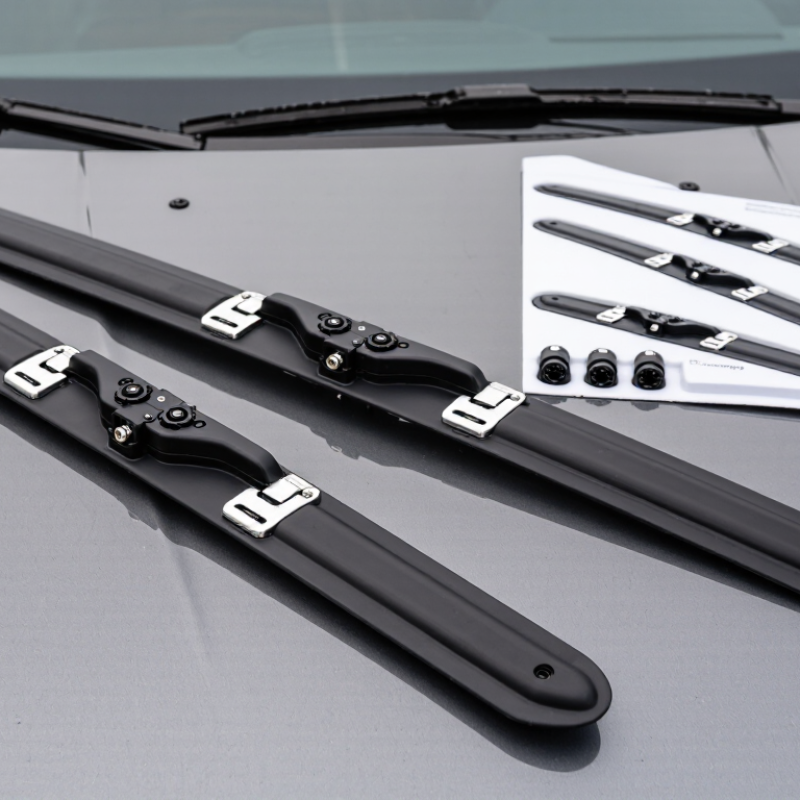
Look closely at the adapter set. It should include a secure clip, clear instructions, and a connector that locks without excessive force. Measure both blades, because some vehicles use different lengths. Examine the rubber edge for flexibility, even contact, and resistance to sunlight. Consider winter ice, summer heat, dust, and frequent highway driving. These conditions expose weak materials quickly.

A useful buying decision also includes installation and after-sales support. Test the blade with washer fluid, not on dry glass. Listen for chatter. Watch for unwiped arcs. Small defects become obvious then. I have seen buyers focus too heavily on price and regret it after one storm. That mistake is easy to make. No guide removes every uncertainty, but careful checking reduces it. The following seven tips will help you compare compatibility, construction, performance, value, and replacement convenience before ordering.
7 Tips for Buying a Multi Adapter Wiper

Understanding Multi-Adapter Wiper Compatibility

Buying a multi-adapter wiper starts with compatibility, not appearance. The wrong connector can sit firmly yet leave the blade slightly misaligned. Check your vehicle’s exact year, model, and front or rear position. Then compare the original fitting with the supplied adapters. A hook, push-button, side-pin, or bayonet connection is not automatically interchangeable.

Measure the blade length carefully. One inch can change the swept area and create an unwiped strip near the driver’s eye line. The Federal Highway Administration reports that wet pavement is linked to about 73% of weather-related crashes, while rainfall is associated with roughly 46%. Clear contact matters. The National Highway Traffic Safety Administration also identifies poor visibility as a recurring factor in weather-related driving risks.

Choose a package with a locking adapter, clear instructions, and a testable connection. Pull gently after installation. It should not rock, scrape, or release. Listen for chatter during a light-water test. Silent operation is not guaranteed by a universal label. Vehicles now remain on the road longer, and the average U.S. light vehicle age reached about 12.6 years in 2024, according to S&P Global Mobility. That creates more fitting variations.

I have learned that “fits most” can encourage careless buying. It sounds convenient. Still, adapter shape, arm clearance, and blade curvature deserve a second check. Take a photo of the old connector before removal. This small step prevents a surprisingly common mistake.

7 Tips for Buying a Multi Adapter Wiper - Understanding Multi-Adapter Wiper Compatibility

Tip Compatibility Dimension What to Check Common Compatibility Information Practical Buying Guidance
1 Identify the wiper arm connection Compare the vehicle arm with the connector supplied in the package. Common connection types include hook-shaped arms, side-pin arms, bayonet arms, push-button arms, pinch-tab arms, and top-lock arms. Choose a kit that explicitly lists the required arm type instead of relying only on the blade length.
2 Confirm the correct blade length Measure the removed blade from end to end and check the vehicle service information. Front driver-side and passenger-side blades may have different lengths. The rear blade normally uses a separate specification. Do not substitute a longer blade unless clearance, sweep area, and the vehicle manufacturer’s specification have been verified.
3 Match connector dimensions Check the adapter opening, locking tab, pin position, and available clearance around the arm. Two connectors can appear similar while differing in slot width, locking geometry, or release-button position. A correct adapter should lock firmly without excessive force, visible gaps, side-to-side movement, or interference with the arm.
4 Check adapter coverage Review the installation guide and confirm that the package includes the adapter required for the vehicle. A multi-adapter package may contain several interchangeable pieces, but not every package supports every arm design. Prefer clearly labeled adapters with installation illustrations and a defined list of supported connection styles.
5 Consider driving and weather conditions Evaluate rain intensity, snow or ice exposure, dust, temperature changes, and parking conditions. Flexible rubber wiping elements can become harder in cold conditions and can wear faster when exposed to heat, dirt, or abrasive debris. Select a durable blade construction and keep the wiping edge clean; never use the wiper to remove heavy ice.
6 Verify installation and locking security Listen for a click where applicable and gently pull the installed blade to test the connection. Many adapters use a latch, button, tab, pin, or hook-retention feature to prevent separation during operation. Test the blade at low speed with washer fluid before normal driving. Stop using it if the adapter shifts or disengages.
7 Review service life and replacement needs Inspect the wiping edge for splits, hardening, streaks, skipping, or noisy operation. Wiper life depends on climate, use, contamination, storage, and windshield condition; a fixed replacement interval is not suitable for every vehicle. Replace the blade when performance declines or damage appears, and clean the windshield before judging the blade’s condition.
Compatibility checklist: Confirm the vehicle application, front and rear blade lengths, arm connection type, adapter dimensions, installation direction, and locking mechanism before purchase.

Checking Vehicle Fit, Arm Type, and Connector Size

7 Tips for Buying a Multi Adapter Wiper

Choosing a multi-adapter wiper starts with vehicle fit, not packaging claims. Confirm the exact year, model, body style, and blade length. Some vehicles use different fittings on the driver and passenger sides. A correct length still fails when the connector is wrong. I once measured only the blade and ignored the arm fitting. That shortcut was wrong.

Inspect the arm before ordering. Common designs include hook, bayonet, side pin, and pinch-tab arms. Each needs a matching adapter. Check the connector size with a ruler, especially when the arm uses a narrow pin. The adapter should lock firmly, without twisting or visible gaps. Test it by gently pulling the blade after installation. Do not rely on a universal label alone.

Visibility makes this inspection important. The Federal Highway Administration reports that about 75% of weather-related crashes occur on wet pavement, while rain is present in roughly 46% of them. A worn or poorly fitted wiper can leave a clear arc at eye level, exactly where headlights create glare. The aftermarket industry also emphasizes vehicle-specific fitment data because trim differences can change arm compatibility. Still, catalog data is not perfect. Recheck the old connector, blade length, and locking tab before purchase. A small mismatch can cause chatter, streaks, or blade release. Safety checks should be boring. That is the point.

Comparing Blade Materials, Design, and Weather Performance

7 Tips for Buying a Multi Adapter Wiper

Comparing Blade Materials, Design, and Weather Performance

A multi adapter wiper should fit securely before you compare materials. Check the supplied connectors, locking tabs, and arm compatibility. A loose adapter can cause skipping, noise, or complete detachment. I always test the connection by gently pulling it after installation. Small movement is a warning.

Compare natural rubber, silicone, and synthetic rubber blades. Natural rubber often wipes quietly and performs well in mild weather. Silicone can resist ultraviolet exposure and may last longer in strong sunlight. Synthetic compounds balance cost and durability, but quality varies. Feel the wiping edge. It should be smooth, even, and free from rough cuts. Do not trust appearance alone.

Study the frame design. Beam-style blades press evenly against curved glass and handle snow better. Conventional frames can provide strong contact but may collect ice around their joints. Hybrid designs offer useful balance. Check flexible spoilers and covered hinges for exposed driving conditions. In heavy rain, uneven pressure leaves narrow water trails. That detail matters.

In cold weather, test whether the rubber remains flexible. In hot climates, inspect for cracking and deformation. I once chose a soft blade that performed beautifully in rain, yet hardened sooner than expected under intense heat. Reconsider seasonal needs, replacement intervals, and actual driving conditions before buying.

Evaluating Installation, Durability, and Maintenance Needs

A multi-adapter wiper should fit securely before it wipes smoothly. Check the connector against your vehicle’s arm type, not only the advertised length. An adapter that clicks firmly should not wobble under hand pressure. Follow the vehicle manual and the blade instructions during installation. A wrong angle can leave a narrow, dangerous water film.

Tip: Test the blade with washer fluid, not on dry glass. A clean pass should leave no skipped arcs, chatter, or rubber trails. The Federal Highway Administration reports that about 75% of weather-related crashes occur on wet pavement, while rainfall contributes to roughly 46%. Visibility deserves practical attention, especially at night. I have found that installation errors often look like poor blade quality. That assumption is not always fair.

Durability depends on heat, sunlight, road dust, and cleaning habits. The blade should remain flexible, with no cracks or hardened edges. Inspect it monthly, and replace it when streaks continue after washing the windshield. Many maintenance guidelines suggest replacement every six to twelve months, but climate can shorten that interval. Do not lift the arm carelessly; it can strike the glass. A soft cloth and clean water usually work better than aggressive solvents. This is easy to overlook. The compromise is real: a cheaper blade may fit today, yet demand earlier replacement. Choose a design with a clear installation guide, sturdy adapters, and accessible replacement parts.

7 Tips for Buying a Multi-Adapter Wiper

Use these practical evaluation dimensions to compare installation convenience, durability, and maintenance needs before purchasing a multi-adapter wiper.

The chart uses a 100-point purchasing framework: compatibility and installation receive strong emphasis, while durability and maintenance help estimate long-term value.

Balancing Price, Warranty, and Overall Value

A multi-adapter wiper should balance price, warranty, and daily reliability. The cheapest option can become expensive after streaking, rattling, or early replacement. The Federal Highway Administration reports that 46% of weather-related crashes occur during rainfall. Clear visibility deserves a realistic budget.

Tip 1: Check the adapter count and vehicle fit. “Universal” is not always universal.

Tip 2: Compare the warranty period, exclusions, and replacement process. A two-year warranty has little value if proof of purchase is difficult.

Tip 3: Read independent test results. Consumer Reports’ wiper evaluations commonly examine cleaning performance, durability, and installation effort. Those details matter more than packaging claims.

Tip 4: Calculate cost per month, not shelf price. A $24 blade lasting two years may beat a $12 blade replaced twice yearly.

Tip 5: Inspect the rubber edge under bright light. It should look even, flexible, and free from cuts.

Tip 6: Choose an adapter with a firm locking sound and minimal movement. Loose fittings can create skipped areas during heavy rain.

Tip 7: Keep the receipt and test the blade immediately. Some returns become harder after installation.

A practical fitting check takes less than five minutes. Lift the arm carefully, attach the correct connector, and spray washer fluid across the glass. Listen closely. I once trusted a “universal” fit too quickly, and the connector loosened after several wet trips. That mistake changed my view: warranty support and verified compatibility often matter more than a small upfront saving.