How to Choose the Best Multifunctional Wiper Blade for Your Vehicle?
Choosing the right wiper blades can significantly impact your driving experience. A quality Multifunctional Wiper Blade ensures clear visibility in various weather conditions. These wiper blades not only perform well in rain but also tackle snow and debris effectively.
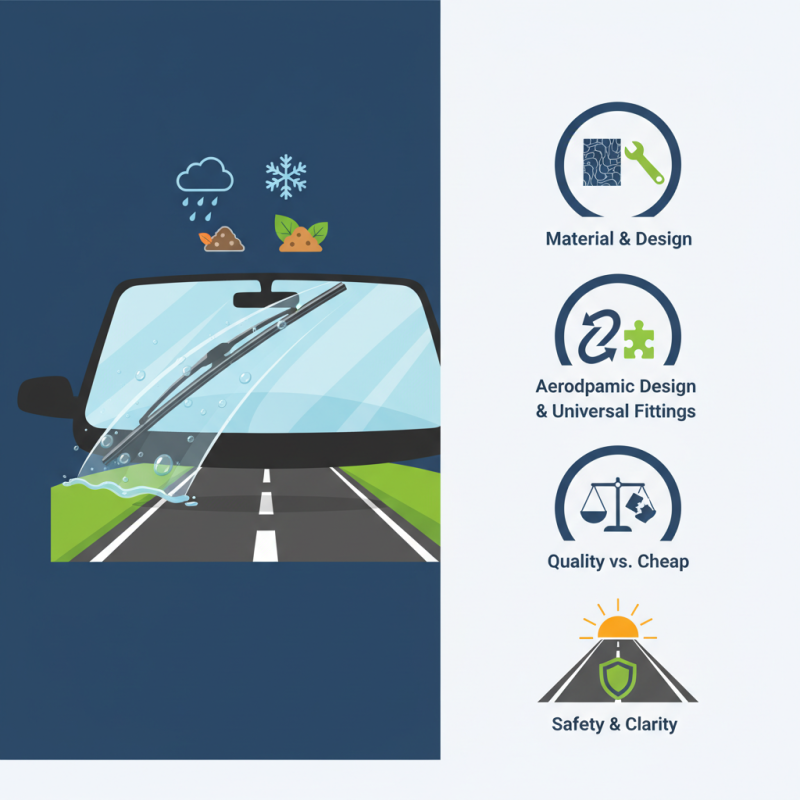
When selecting the best option for your vehicle, consider the material and design. Premium rubber blades offer durability. Look for features like aerodynamic design and universal fittings. They add to their functionality and ease of installation, making life simpler for car owners.
Remember, not all wiper blades are created equal. Some cheaper options may not last long or perform well. It’s crucial to weigh your choices carefully. Reflect on past experiences with wipers, as this can guide your decision-making process. Investing in a high-quality Multifunctional Wiper Blade means prioritizing safety and clarity on the road.
Factors to Consider When Choosing Wiper Blades for Your Vehicle
Choosing the right multifunctional wiper blades for your vehicle can be quite overwhelming. Several factors play a role in making this decision. One key element is the size of the blades. You must know your vehicle’s specifications. Wiper blades that are too long or short can lead to visibility issues. Always refer to your vehicle's manual for the correct measurements.
Material quality is another crucial consideration. Wiper blades come in different materials, such as rubber or silicone. High-quality materials can provide better performance and durability. However, some users may find that more expensive options do not always yield a noticeable difference in performance. Testing various types may be necessary to form a well-rounded opinion.
Lastly, the weather conditions in your area significantly impact blade performance. Frequent rain or snow necessitates a different blade design compared to dry climates. Some users often overlook this aspect and later experience issues. It’s worth reflecting on your local weather patterns to make a more informed decision on which wiper blades will suit your needs best. Engaging with automotive professionals can also help you along this journey.
Types of Multifunctional Wiper Blades and Their Features
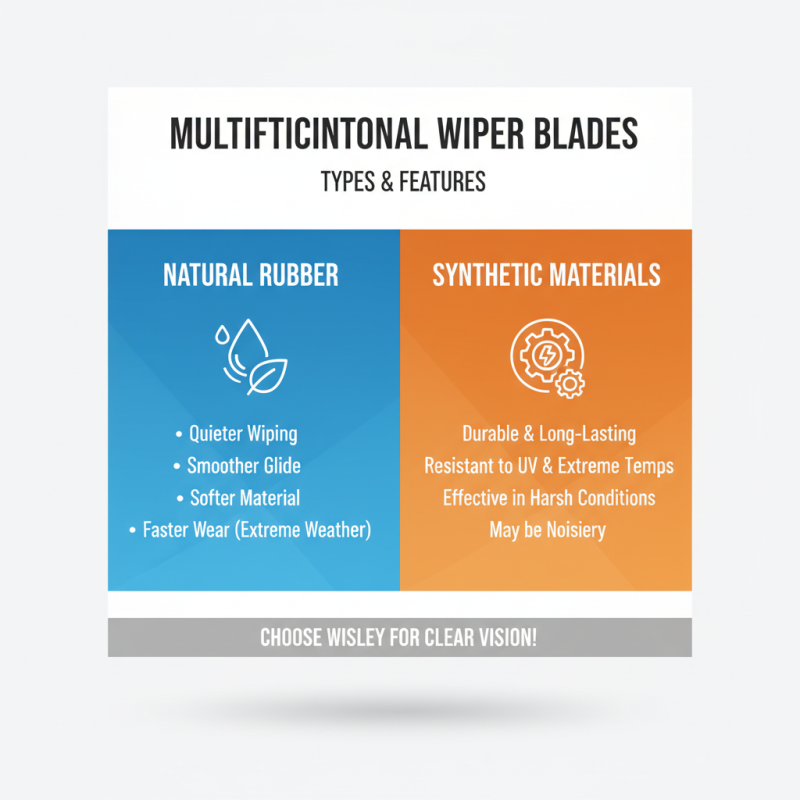
When choosing multifunctional wiper blades, it's essential to understand the different types available. These blades vary in terms of material, design, and features. For instance, some are made from natural rubber, while others use synthetic materials. Rubber blades tend to be quieter and provide a smoother wipe. However, they may wear out faster under extreme weather conditions.
Another factor to consider is the design of the wiper blades. Frameless designs are popular for their sleek look and improved visibility. They hug the windshield closely, minimizing streaks. Yet, they might struggle in heavy snow or ice. Traditional framed blades are often more durable, but they can leave gaps. Each design has its benefits and drawbacks.
Features play a critical role in performance. Some blades come with special coatings to repel water or prevent ice buildup. Others might have a built-in wind spoiler for better performance at higher speeds. While these features enhance functionality, they can also increase the price. Being aware of these aspects helps in making an informed decision about the right wiper blade for your specific needs.
How to Determine the Correct Size for Your Wiper Blades
Choosing the right size wiper blades is crucial for optimal visibility while driving. Many drivers overlook this element. According to the Automotive Aftermarket Suppliers Association, approximately 30% of vehicle owners have incorrectly sized wiper blades. This can significantly impair performance in adverse weather conditions.
To determine the correct size, consult your vehicle's manual. You can also find information on manufacturer websites or automotive parts stores. Using the wrong size blade can lead to streaking or complete failure during use. Measure the length of your old blades or use online tools that help identify the correct size based on your vehicle make and model.
Tips: When replacing wiper blades, consider the length. Most vehicles require different sizes for the driver's and passenger's sides. Check the chart provided by many automotive suppliers for precise measurements. Additionally, inspect your blades regularly for signs of wear. Signs like skipping or squeaking are indicators that replacement is needed.
Finally, remember that weather conditions can affect blade performance. For instance, some blades perform better in heavy rain, while others are designed to withstand icy conditions. Knowing your environment is key. Experimenting with different types may provide unexpected insights into what works best for your specific situations.
How to Choose the Best Multifunctional Wiper Blade for Your Vehicle? - How to Determine the Correct Size for Your Wiper Blades
| Vehicle Model |
Blade Type |
Blade Size (inches) |
Features |
| Toyota Camry |
Conventional |
26 |
All-Weather, Quiet Operation |
| Honda Accord |
Beam |
24 |
Aerodynamic, Durable Rubber |
| Ford F-150 |
Hybrid |
22 |
Adjustable, Long-lasting |
| Chevrolet Malibu |
Conventional |
24 |
Easy Installation, Streak-free |
| Nissan Altima |
Beam |
26 |
Flexible, Extends Wiper Life |
Benefits of Quality Wiper Blades for All-Weather Performance
Quality wiper blades play a crucial role in enhancing all-weather performance for vehicles. According to a recent study by the American Automobile Association (AAA), 30% of drivers do not replace worn wiper blades. This neglect can significantly impact visibility during adverse weather conditions. In heavy rainfall or snow, clear sightlines are vital for safety.
Well-designed wiper blades can efficiently clear water and debris, improving reaction time and reducing accident risk.
Another report from the National Highway Traffic Safety Administration (NHTSA) found that poor visibility contributes to nearly 25% of weather-related crashes. Quality wiper blades, crafted from durable materials, can withstand harsh conditions. A good blade offers better wiping performance, with features like aerodynamic design that reduce lift at high speeds. This means better contact with the windshield, resulting in less streaking and more effective clearing.
However, not all wiper blades are created equal. Many consumers purchase low-cost options, overlooking essential factors like durability and efficiency. Drivers need to assess not just price but also the type of weather they encounter regularly. A well-chosen wiper blade can last up to 12 months under ideal conditions, but some may wear out sooner in extreme weather. Investing in high-quality blades offers enhanced visibility and safety, especially in unpredictable climates.
Tips for Installation and Maintenance of Wiper Blades
Installing and maintaining wiper blades is crucial for vehicle safety. According to industry studies, windshield wipers can lose up to 30% efficiency after six months of use. Regular checks can help you avoid this issue. Inspect your wiper blades every month, looking for signs of wear or damage. Cracks and splits can significantly impact visibility during rain or snow.
Proper installation is equally important. Before replacing blades, clean the windshield to prevent dirt from scratching the glass. When installing new wiper blades, ensure they click into place securely. This confirms they are properly attached. Remember, even the best wiper blades require maintenance. Regularly wipe the rubber with a damp cloth to remove debris. This can extend their life significantly. A few minutes of care can mean a lot, especially during unexpected weather changes.
Many drivers overlook wiper blade maintenance. Research shows that inadequate maintenance can reduce the lifespan of blades by nearly 40%. Maintaining wipers is not only about replacing them. It's about ensuring they function effectively. Taking these small steps can lead to safer driving conditions. Awareness of the condition of your wiper blades is essential for road safety.