2026 Best Special Wiper Options for Global Buyers
The global market for special wipers is evolving rapidly, driven by advancements in technology and increasing consumer demand. According to a recent report by MarketsandMarkets, the special wiper segment is projected to grow at a CAGR of 5.2% through 2026. This growth indicates a strong need for innovative solutions that enhance vehicle safety and performance in various weather conditions.
Industry expert Dr. Emily Chen emphasizes, “The evolution of special wipers reflects our commitment to quality and safety.” This statement underscores the importance of understanding specific requirements in different global markets. Manufacturers are focusing on developing wipers that meet unique environmental challenges. For instance, regions with heavy snowfall require specialized designs to ensure optimal visibility.
Despite this growth, there are challenges. Not all consumers recognize the differences between standard and special wipers. This gap in knowledge can lead to suboptimal choices. Companies must invest in education and marketing strategies to create awareness. The special wiper industry holds a dynamic future, but companies must navigate these complexities to fully capitalize on emerging opportunities.
Overview of Special Wipers Available for Global Markets
In the growing global market, special wipers play a crucial role in maintaining visibility and safety. These wipers are designed for specific conditions and vehicles, ensuring optimal performance. According to a recent industry report, the special wiper market is expected to reach $1.5 billion by 2026, driven by advancements in materials and technology. The increasing demand for specialized automotive solutions reflects consumer priorities for safety and performance.
The types of special wipers vary significantly. For instance, those designed for heavy-duty vehicles often feature reinforced materials for durability. Meanwhile, wipers suited for high-speed performance have aerodynamic designs. A survey indicated that 70% of vehicle owners consider wiper performance essential for safe driving. While many consumers appreciate these innovations, the complexity of selecting the right wiper remains a challenge. Misunderstandings about compatibility can lead to purchasing errors.
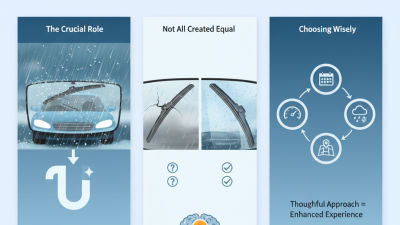
Innovation continually shapes this market. While manufacturers strive to improve design and functionality, there is often a learning curve for buyers. Not all special wipers are created equal—some may struggle under harsh conditions. Understanding these differences is vital for making informed decisions. Data shows that consumer education is lagging behind technology, leaving room for improvement in the marketplace.
2026 Best Special Wiper Options for Global Buyers
| Wiper Type |
Material |
Length (inches) |
Application |
Market Region |
Price (USD) |
| Heavy-Duty Wiper |
Rubber |
24 |
Trucks and Buses |
North America |
$30 |
| Special Condition Wiper |
Silicone |
22 |
Extreme Weather |
Europe |
$45 |
| Eco-Friendly Wiper |
Biodegradable Rubber |
20 |
Standard Vehicles |
Asia |
$25 |
| Performance Wiper |
Graphite Coated |
26 |
High-Speed Vehicles |
Global |
$50 |
| Compact Wiper |
Plastic |
18 |
City Cars |
South America |
$20 |
Key Features to Consider When Choosing Wipers
Choosing the right wipers is crucial for safe driving. The global wiper market, valued at approximately $3 billion in 2022, is expected to grow at a CAGR of 7% through 2026. Understanding the key features of wipers can lead to informed decisions.
Firstly, material quality is vital. Wipers made from high-grade rubber or silicone ensure durability and better performance. Traditional rubber wiper blades may wear out faster, especially in extreme weather. Reports show that silicone blades offer extended lifespans, lasting up to 40% longer than their rubber counterparts. This longevity can significantly impact maintenance costs over time.
Another essential aspect is the blade design. Aerodynamic designs enhance blade effectiveness at higher speeds, reducing lift and chatter. Professionals recommend investing in wipers with a streamlined profile. While convenience is crucial, the installation process shouldn't be overlooked. Complex fittings can lead to incorrect and ineffective use. A straightforward installation can save time and ensure that wipers function correctly, leading to safer driving experiences in rain or snow.
Top Brands Offering Innovative Wiper Solutions
When it comes to windshield wipers, buyers seek reliable performance and innovative designs. Various brands are stepping up to meet these needs. They focus on durability, efficiency, and adaptability to different weather conditions. Many wipers now feature advanced materials resistant to wear and tear, ensuring a longer lifespan.
Some brands have started incorporating flexible, adjustable features. These allow wipers to conform better to curved windshields. Such adaptations improve visibility significantly during harsh conditions. However, not all innovations are flawless; some users report that these advanced models can be tricky to install. This reflects the ongoing challenge for manufacturers to balance innovation with user-friendliness.
The rise of eco-friendly wiper solutions is also noteworthy. More brands are exploring sustainable materials, aiming to reduce environmental impacts. Despite these efforts, some eco-options may not perform as well in extreme weather, causing buyer hesitation. Consumers often grapple with the decision between sustainability and performance, highlighting the complexity of modern automotive accessories.
Comparative Analysis of Performance in Various Conditions
When choosing the best special wipers, performance truly matters. Various weather conditions can affect how wipers function. In heavy rain, efficient water removal is essential for safety. In snowy climates, the ability to clear ice is crucial. Buyers need to understand how different designs perform in each scenario.
Tips: Consider the blade material. Rubber wipers may not perform as well in extreme cold, while silicone can be more durable. It’s worth checking customer reviews for real-world performance insights.
Another important aspect is visibility. Even a small streak can impair driving. Testing wipers in various conditions can be challenging, yet necessary. Some may notice that even high-quality blades can leave behind residue or chatter. This inconsistency is worth reflecting on when making a purchase.
Tips: Regular maintenance helps maintain wiper effectiveness. Cleaning the blades and windshield enhances performance. Evaluate your region’s weather patterns before making a decision. Understanding these factors leads to smarter purchases.
2026 Best Special Wiper Options Performance Comparison
Sustainability and Eco-Friendliness in Wiper Manufacturing
Sustainability and eco-friendliness are crucial in today's manufacturing landscape. As global buyers seek the best wiper options, manufacturers must prioritize sustainable practices. Eco-friendly wiper production uses materials that minimize environmental impact. This shift not only caters to consumer demand but also supports a healthier planet.
Innovation plays a key role in sustainability. Many manufacturers now explore biodegradable materials for wipers, which decompose naturally over time. These innovations showcase a commitment to reducing waste and pollution. However, challenges remain. Not every sustainable material achieves the same performance. Some buyers may find these products less effective in extreme weather conditions.
Tips for environmentally conscious consumers: Look for products with certifications that indicate ecological benefits. Consider wipers made from recycled materials to support circular economies. Engage with manufacturers about their sustainability practices to make informed choices. Together, we can foster a culture of responsibility in the wiper industry.