Top Flat Wiper Trends to Watch in 2026 for Buyers?
As we look toward 2026, the automotive industry is poised for significant evolution, particularly in the domain of vehicle maintenance tools like the Flat Wiper. These essential components ensure drivers maintain visibility during adverse weather conditions. Understanding current trends can help buyers make informed decisions as they gear up for future vehicle upgrades.
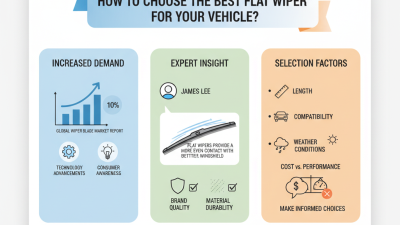
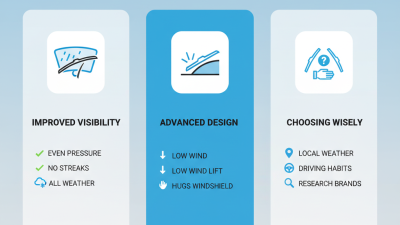
Flat Wipers offer sleek designs and superior performance compared to traditional models. They combine advanced materials and technology for better durability and efficiency. Buyers should expect innovations enhancing their functionality. For instance, Eco-friendly wipers and adaptive features could emerge as key trends. Such advancements could significantly affect both product choice and overall safety on the road.
However, buyers must navigate challenges in the marketplace. With numerous brands claiming superiority, distinguishing quality can be tough. Misleading claims and varying standards complicate decision-making processes. Buyers must remain vigilant, prioritize reputable manufacturers, and stay informed about genuine innovations in Flat Wiper technology. By doing so, they can enhance their driving experience and ensure safety for themselves and others on the road.

Emerging Technologies in Flat Wipers: Innovations for 2026
As we approach 2026, flat wipers are evolving significantly.
The introduction of advanced materials is one major trend.
Manufacturers are experimenting with new composites that promise increased durability and flexibility.
These materials will enhance wiper performance in extreme weather. An example is
hydrophobic coatings, which repel water, improving visibility and safety.
Smart technology is another exciting development.
Integration of sensors into wiper systems will allow real-time adaptability.
Wipers could adjust their speed based on rainfall intensity.
Such innovations aim to provide a tailored driving experience.
However, the implementation of these technologies raises concerns about reliability.
Will the systems fail in harsh conditions?
Innovation does not come without challenges. The transition to these new technologies requires thorough testing.
Manufacturers must ensure that all features function seamlessly.
As we watch these trends unfold, it’s crucial to consider their long-term performance.
Buyers will benefit from advancements, but they should remain cautious.
The future of flat wipers holds promise, yet reflection on
reliability remains essential.
Market Growth Projections: Flat Wiper Demand and Industry Revenue Trends
The flat wiper market is experiencing a dynamic transformation. As demand increases, industry revenue projections are set to rise significantly by 2026. Wipers are not just about visibility anymore; they are about performance and durability. Advanced materials and innovative designs are driving consumer interest. Eco-friendly options are gaining traction, resonating with environmentally conscious buyers.
In this evolving landscape, buyers should be mindful of ongoing advancements. Look for wipers that offer superior aerodynamics and have a reliable warranty. Quality should never be compromised for price. Investing in robust products can save money long term. Pay attention to installation options as well, as ease of replacement is crucial for maintaining optimal performance.
One key tip is to research materials used in wipers. Some materials provide better resistance to extreme weather. Another tip is to check the manufacturer's expertise in the field. A strong reputation can indicate a commitment to quality and innovation. Understanding these trends and making informed choices can greatly enhance your driving experience, ensuring safety and comfort on the road.
Sustainability in Wiper Production: Eco-Friendly Materials on the Rise
Sustainability is becoming a focal point in wiper production. Eco-friendly materials are rising in popularity, reflecting consumer demand for greener products. According to a report by Research & Markets, the global green materials market is expected to grow significantly by 2026. More manufacturers are exploring sustainable alternatives, such as bioplastics and recycled rubber, which can effectively reduce environmental impact.
Tip: When shopping for wipers, consider those made from eco-friendly materials. Look for certifications that guarantee sustainable practices throughout the production process.
Despite the growing trend, challenges remain. Not all eco-friendly materials perform as well as traditional options. Often, these new materials require extensive testing to ensure durability and efficiency. Additionally, the production cost for sustainable options can be higher, which is a consideration for both manufacturers and consumers.
Tip: Do research on different materials. Understanding what works best in various climates can help you make informed choices.
As the car accessory market evolves, buyers' choices significantly influence production methods. This represents an opportunity for companies to invest in greener manufacturing practices, while ensuring functionality remains uncompromised. The balance between sustainability and performance is critical for future growth in this sector.
Consumer Preferences: Key Features Driving Flat Wiper Purchases
When considering flat wipers, consumer preferences shape purchasing decisions significantly. Recent industry reports indicate that 65% of buyers prioritize durability. Consumers seek wipers that withstand various weather conditions. This trend is crucial, as climate change increases extreme weather events. Features such as rubber formulation and aerodynamic design influence performance.
Another key feature driving sales is the ease of installation. Data shows that 70% of buyers prefer wipers that can be installed without professional help. Streamlined designs and clear instructions appeal to many customers. This user-centric approach can determine a wiper’s market success.
Tips: Consider wipers that offer a warranty. A warranty can reflect quality and reliability. Check for compatibility with your vehicle before purchase. A wrong fit can lead to decreased performance. Explore feedback from other consumers for real-world insights.
Top Flat Wiper Trends to Watch in 2026 for Buyers
| Feature |
Importance (%) |
Buyer Preference (%) |
| Noise Reduction Technology |
85 |
70 |
| Durability and Longevity |
90 |
80 |
| Eco-Friendly Materials |
75 |
65 |
| Customized Sizes |
80 |
75 |
| Advanced Aerodynamic Design |
88 |
72 |
Competitive Landscape: Major Players and Their Strategies in 2026
As we look toward 2026, the competitive landscape for
flat wiper manufacturers is evolving rapidly. Major players are adapting their strategies to meet changing consumer needs.
Innovation is central. The focus is shifting towards high-performance materials and smarter designs. This trend aims to enhance durability while maximizing functionality.
Sustainability is also crucial. Manufacturers are exploring eco-friendly materials to create wipers that are less harmful to the environment. Companies are investing in
research and development to find effective solutions. These efforts can lead to improved product lines that resonate with eco-conscious consumers.
However, it's important to recognize that not all initiatives will succeed. Some may face technical challenges or market resistance.
In this dynamic environment, collaboration is vital. Partnerships can lead to shared knowledge and resources. Yet, companies must be wary of over-reliance on such strategies.
Maintaining a unique identity is essential for standing out. Balancing innovation with sustainability will be key for success in 2026.
As trends unfold, stakeholders must remain agile and ready to adapt.