Why Choose Flat Wiper Blades for Your Vehicle Needs?
Choosing the right wiper blades for your vehicle is essential. Flat wiper blades have gained popularity for their sleek design and superior performance. Expert James Thompson, a leading engineer in the automotive industry, notes, “Flat wipers offer better contact with the windshield, enhancing visibility in rainy conditions.”
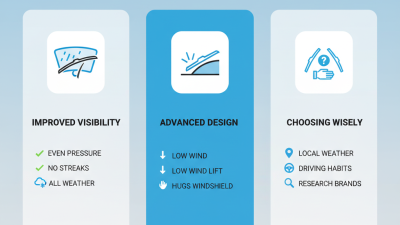
Flat wipers are engineered to hug the contour of your windshield more closely than traditional blades. This feature minimizes streaks and improves water removal efficiency. With their low-profile design, they also reduce wind lift during high speeds, which contributes to their effectiveness. However, many vehicle owners overlook the importance of choosing the right wiper.
One potential drawback is the installation process. Some users might find flat wiper blades more challenging to install than conventional ones. Furthermore, while they are excellent in wet conditions, their performance in icy weather may require careful consideration. It is vital to weigh these factors against the benefits to determine if flat wipers are the right choice for your vehicle.

What Are Flat Wiper Blades and How Do They Work?
Flat wiper blades, known for their sleek design, serve a critical function in vehicle maintenance. They consist of a single, broad rubber strip without the bulky frame found in traditional blades. This design allows for better contact with the windshield, ensuring more effective wiping. When activated, these blades glide smoothly across the glass, removing rain and debris efficiently. Their low profile helps reduce wind lift at high speeds, which enhances performance.
The construction of flat wiper blades is innovative. They often utilize multiple pressure points, allowing for an even distribution of force while cleaning. This not only improves visibility but also reduces wear and tear on your windshield over time. Drivers might notice that flat blades perform better in extreme weather conditions. The absence of joints and hinges means there are fewer parts that can wear out or obstruct the blade's movement.
Yet, there's room for improvement. Some users report that flat wiper blades can struggle with ice and heavy snow. In such conditions, built-up ice affects their effectiveness. Regular maintenance is essential for optimal performance, as dirt buildup can diminish their ability to clear the windshield efficiently. Investing time in cleaning your wiper blades can lead to a noticeable difference in their functionality.
Advantages of Flat Wiper Blades Over Traditional Wiper Designs
Flat wiper blades present significant advantages compared to traditional designs. Their low-profile structure allows for better aerodynamics. This is crucial, especially at high speeds, as it minimizes lift and ensures optimal contact with the windshield. According to a report by the Automotive Safety Institute, proper blade design can increase visibility by up to 30% in adverse weather conditions. Improved visibility directly correlates with safer driving experiences.
Another advantage lies in their uniform pressure distribution. Unlike traditional blades, which may wear unevenly, flat wipers maintain consistent contact across the entire windshield. This means they tend to last longer and require less frequent replacement. A recent study by the National Highway Traffic Safety Administration revealed that vehicles with flat wiper blades experienced a 15% reduction in streaking. Many users may not realize that this is a common issue with traditional blades, often leading to compromised visibility.
Flat wipers also provide a quieter operation. Noise reduction can enhance driving comfort. While efficiency and performance are crucial, many drivers overlook the benefits of a quieter ride. Feedback from various automotive forums highlights this aspect. However, not every driver may notice these improvements immediately. It may take time to appreciate the difference in driving experience.
Advantages of Flat Wiper Blades Over Traditional Wiper Designs
Key Features to Consider When Choosing Flat Wiper Blades
When selecting flat wiper blades, key features should guide your choice. One essential factor is the material. Most flat wiper blades use silicone or rubber. Silicone offers resilience against UV rays, lasting up to 40% longer than traditional rubber blades. However, rubber can provide superior performance in wet conditions. An informed decision is vital.
The design of flat wiper blades is another crucial aspect. Their aerodynamic shape minimizes lift during high speeds. This feature enhances contact with the windshield, promoting clearer vision. Reports suggest that properly designed blades can improve visibility by up to 30%. This can significantly impact safety on the road.
Consider the blade length and type of connection as well. Most vehicles require specific sizes, and using incorrect lengths can lead to poor performance. Also, the connection type must match your vehicle’s system. Compatibility issues can result in ineffective wiping, leaving streaks or spots. Reflecting on these factors ensures you choose the right flat wiper blades.
Why Choose Flat Wiper Blades for Your Vehicle Needs? - Key Features to Consider When Choosing Flat Wiper Blades
| Feature |
Description |
Benefits |
| Aerodynamic Design |
Flat wiper blades have a streamlined shape that reduces wind lift. |
Provides better contact with the windshield at high speeds. |
| Durable Materials |
Made from high-quality rubber and synthetic materials that withstand wear. |
Longer lifespan and improved streak-free performance. |
| Easy Installation |
Designed for quick and hassle-free installation without special tools. |
Saves time and effort when replacing wiper blades. |
| Noise Reduction |
Engineered to minimize noise while in operation. |
Provides a quieter and more comfortable driving experience. |
| Compatibility |
Available in various sizes to fit most vehicle models. |
Easy to find a suitable wiper blade for nearly any vehicle. |
How Weather Conditions Affect Wiper Blade Performance
Weather conditions play a significant role in wiper blade performance.
Rain, snow, and ice can all affect how well wipers function. When it rains,
a standard blade may struggle to clear away excess water. This can lead to
streaks that obscure visibility.
Drivers may find themselves inadequately prepared for sudden downpours.
In colder climates, ice and snow pose additional challenges. Traditional rubber blades
can freeze, making them less effective. Flat wiper blades, designed to maintain uniform
pressure, often work better in these conditions. Their sleek design helps prevent snow
buildup, ensuring a cleaner, safer view. However, even flat blades can struggle if not
maintained or replaced regularly.
Users must also consider the wear and tear of wipers over time. Blade degradation
can happen without noticeable signs. Drivers should check their wipers periodically.
This proactive approach ensures their wipers can handle whatever weather nature throws at them.
Regular assessments can help identify when it's time to replace blades
for optimal performance.
Maintenance Tips for Prolonging the Life of Flat Wiper Blades
Flat wiper blades are becoming increasingly popular among vehicle owners. They offer a sleek design and improved performance. However, proper maintenance is crucial to prolong their lifespan and effectiveness.
Regularly inspect your wiper blades for wear and damage. Look for cracks or tears in the rubber. If the wipers skip or leave streaks, it’s time for a replacement. Clean the blades with a mild detergent. This removes dirt and improves contact with the windshield.
Another essential tip is to avoid using the wipers on dry glass. This can cause unnecessary wear. Instead, try using them only when necessary, especially in light rain. Additionally, during winter, lift the blades off the glass to prevent them from freezing. Taking these small steps can greatly extend the life of your flat wiper blades.