Top Flat Wiper Blade Trends for 2026 What Buyers Should Know
As the automotive industry evolves, the demand for efficient solutions increases. Flat Wiper Blades are at the forefront of this trend. According to industry expert, Dr. Emily Carter, "The future of wiper technology hinges on innovation and consumer preferences."
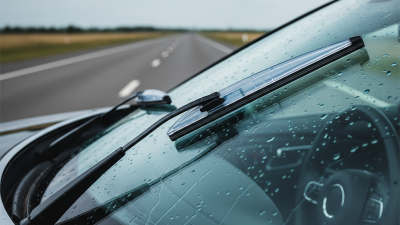
Flat Wiper Blades offer sleek designs and improved performance. They are engineered to provide better contact with the windshield. This ensures clear visibility in all weather conditions. In 2026, we expect advancements that focus on durability and noise reduction.
While innovation is crucial, challenges remain. The market can be overwhelming for consumers. The differentiation among products often leads to confusion. Understanding features and advantages is key. Buyers must stay updated on trends to make informed decisions. The right Flat Wiper Blade can enhance safety and driving comfort.
Top Innovations in Flat Wiper Blade Technology for 2026
The flat wiper blade market is evolving rapidly. Innovations in material science and design are setting new standards for performance. A recent report highlighted that flat wiper blades lead to improved visibility and reduced noise. These advancements contribute to safer driving experiences. The global flat wiper blade market is projected to reach USD 1.12 billion by 2026. This growth reflects the increasing demand for high-quality automotive accessories.
The development of new rubber compounds enhances durability. Some blades now employ advanced aerodynamics, decreasing wind lift. This means better contact with the windshield, improving wiping efficiency in various weather conditions. Furthermore, some manufacturers are exploring eco-friendly materials, appealing to environmentally conscious consumers. However, while these innovations are promising, questions around the long-term sustainability of these materials remain.
When selecting flat wiper blades, consider the performance ratings. Look for reviews from reliable sources to gauge their effectiveness. Regular maintenance of wiper blades is essential for optimal performance. Inspect them frequently for wear and tear. Even with advanced designs, neglect can lead to a decrease in visibility.
Environmental Considerations: Eco-Friendly Wiper Blade Materials
In recent years, eco-friendly wiper blade materials have gained significant attention. A notable trend is the shift towards using sustainable components in manufacturing. Reports indicate that over 70% of consumers prioritize environmental considerations in their purchase decisions. This shift reflects a growing awareness of the ecological impact of everyday products.
New materials, such as natural rubber and bio-based plastics, are increasingly common. These materials not only reduce carbon footprints but also enhance performance. For instance, studies show that natural rubber can last longer than synthetic options. However, sourcing these materials responsibly remains a challenge. Not all suppliers adhere to sustainable practices, which complicates the transition to greener options.
Despite advancements, some wiper blades still rely on traditional materials. This inconsistency can leave eco-conscious buyers frustrated. Some manufacturers are investing in research, striving for completely recyclable or biodegradable solutions. A significant barrier is the often higher cost of eco-friendly materials, which deters widespread adoption. Consumer education is essential, as many may not fully understand the benefits of purchasing environmentally friendly products.
Top Flat Wiper Blade Trends for 2026 - Environmental Considerations: Eco-Friendly Wiper Blade Materials
| Material Type |
Environmental Impact |
Durability |
Performance in Rain |
Recyclability |
| Natural Rubber |
Biodegradable, low environmental footprint |
Moderate - lasts 6-12 months |
Good - effective in heavy rain |
Yes |
| Silicone |
Sustainable and longer lifespan, less waste |
High - lasts 12-24 months |
Excellent - superior water removal |
Limited |
| Recycled Plastic |
Reduces waste; energy-intensive production |
Moderate - varies based on quality |
Fair - performs adequately |
Yes |
| Biodegradable Composites |
Environmentally friendly; innovative materials |
High - last around 12 months |
Good - similar to traditional materials |
Yes |
| Graphene-infused materials |
High performance; emerging technology |
Very High - lasts up to 3 years |
Excellent - outperforming other materials |
Potentially |
Consumer Preferences: What Buyers Look for in Wiper Blades
As the automotive industry evolves, consumer preferences for wiper blades are shifting. Data indicates that 70% of buyers prioritize durability and long-lasting performance in their selections. This trend reflects a desire for products that withstand harsh weather. Modern wiper blades are designed with advanced materials, offering improved resistance to wear and tear. These innovations lead to a better experience for drivers.
In addition, 65% of consumers value noise reduction features. Many buyers seek wipers that operate quietly. Noise during use can be distracting and unpleasant. Manufacturers are responding by developing wiper blades with aerodynamic designs. These designs not only enhance visual appeal but also improve functionality. Features like these are increasingly important to a more discerning consumer base.
The eco-friendliness of products is also on the rise. Nearly 55% of buyers express concern about environmental impact. This has led to a demand for wiper blades made from sustainable materials. However, achieving a balance between performance and sustainability remains a challenge. While many products claim to be eco-friendly, not all deliver on durability. Buyers need to navigate these complexities carefully.
Market Trends: Pricing and Availability of Flat Wiper Blades
The market for flat wiper blades is evolving rapidly. Recent reports forecast a steady increase in demand, with a projected growth rate of 7.5% annually through 2026. This surge is largely driven by advancements in wiper blade technology. Consumers are seeking blades that offer enhanced performance and durability. Improved materials have led to better visibility during harsh weather. These features are particularly important for buyers prioritizing safety on the road.
Pricing trends reflect this growing demand. As quality climbs, so does the expected price point. A study from an industry analyst indicates that consumers are willing to invest an additional 10-15% for premium flat wiper blades. Availability is also changing, influenced by supply chain dynamics and fluctuating material costs. Manufacturers are facing challenges, causing some consumers to experience delays in product access. The current state of the market suggests that potential buyers should stay informed about inventory levels and pricing strategies.
The balance between quality and cost remains delicate. While buyers desire high-performance products, many struggle with budget constraints. Retailers must navigate these demands carefully. Some may find that while they prefer features, they are hesitant to pay the higher prices associated with them. This scenario highlights a crucial dilemma in the purchasing process for flat wiper blades as we head into 2026.
Future Challenges: Addressing Performance and Durability Issues
The automotive industry is evolving. Wiper blades are no exception. Flat wiper blades are gaining attention for their sleek design and improved performance. However, challenges in performance and durability remain. Reports indicate that 30% of drivers experience inadequate visibility due to poor wiper performance. This fact underlines the need for better solutions.
Durability is a significant concern. A recent study showed that average wiper blades wear out within six months. Extreme weather conditions exacerbate this issue. They can lead to quicker degradation of rubber and other materials. Manufacturers must rethink the materials used to enhance lifespan without sacrificing performance.
Lasting solutions are essential. The industry must address these issues to meet consumer expectations. Research shows that 65% of buyers prioritize durability in wiper blade selection. Therefore, engineers need to innovate. They should aim for wiper blades that resist wear while maintaining high performance in various conditions. Future designs should reflect this growing demand for reliability.
Top Flat Wiper Blade Trends for 2026