Leave Your Message

2026 Top Car Window Blades for Global Buyers

Choosing the right Car Window Blades in 2026 requires more than comparing prices or polished product photos. Global buyers need dependable visibility across rain, dust, snow, heat, and crowded city traffic. A blade that performs well on a mild coastal road may struggle on a frozen highway. Small differences matter. Rubber formulation, edge pressure, frame strength, connector design, and windshield curvature can change the driving experience.

Automotive glass systems consultant Dr. Elena Marlowe offers a practical reminder: “A blade is small, but its edge controls a driver’s view.” This guide examines the leading Car Window Blades for international purchasing teams, distributors, workshops, and vehicle owners. It considers wiping performance, streak control, noise, durability, installation, packaging, and vehicle compatibility. It also looks at supplier communication, quality consistency, and replacement support.

Real-world details deserve attention. A blade may leave a thin arc near the driver’s eye. A connector may feel secure but loosen after repeated temperature changes. A package may look professional while protecting the product poorly during long-distance shipping. These details are easy to overlook.

The market is not perfect. Some performance claims remain difficult to compare because testing methods vary between regions. Buyers should question vague promises. They should request fitment data, material specifications, sample testing, and clear warranty terms. The best choice is rarely the cheapest option. It is the blade that maintains a clean viewing area, fits correctly, and performs reliably after weeks of use. That standard guides the recommendations ahead.

2026 Top Car Window Blades for Global Buyers

What Are Car Window Blades and Why Do They Matter in 2026?

Car window blades, commonly called windshield wiper blades, remove rain, snow, dust, and road film from vehicle glass. They use a flexible rubber or synthetic wiping edge attached to a metal or composite frame. When the blade moves, the edge presses against the glass and clears a narrow path for the driver.

That small part matters more in 2026. Modern vehicles may use cameras, rain sensors, and driver-assistance systems behind the windshield. A worn blade can leave streaks across these viewing areas. Glare from streetlights then becomes distracting, especially during night rain. Poor contact can also create skipping, squeaking, or untouched patches near the glass edges.

In my experience, inspection works better than guessing by age alone. Look for cracked rubber, torn edges, or a blade that chatters during light rain. A six-month replacement rule is useful, but climate and parking conditions change the result. Hot sunlight hardens rubber quickly. Winter grit damages it differently.

Fit also deserves careful checking. Length, connector type, pressure distribution, and windshield shape must match the vehicle. Some newer designs spread pressure more evenly across curved glass. They may perform better at highway speed, though not every premium-looking blade lasts longer. I have seen expensive options fail early when dirt remained trapped beneath the edge. Clean the glass first, then test the blade with washer fluid. Dry testing can scratch the surface.
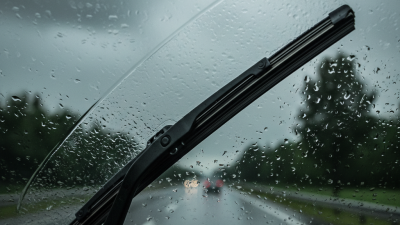

Key Types of Car Window Blades for Different Vehicle Needs

2026 Top Car Window Blades for Global Buyers

Key Types of Car Window Blades for Different Vehicle Needs

Conventional framed blades suit older vehicles and flat windshields. Their metal frames apply pressure through several pivot points. They perform reliably in moderate rain and regular driving conditions. However, exposed joints can collect ice, dust, and road grit. During workshop checks, I look for even rubber contact across the glass. Uneven streaks usually indicate worn rubber or a bent frame.

Beam blades use a flexible spine instead of multiple exposed pivots. This design follows curved windshields more closely. They are useful for modern cars, heavy rain, and colder regions. Their covered structure also resists snow buildup better. Still, beam blades may cost more, and cheap rubber can harden quickly under strong sunlight. Fit matters more than appearance.

Hybrid blades combine a framed support system with a protective outer shell. They offer stable pressure, cleaner aerodynamics, and broad vehicle compatibility. These blades can suit drivers who face changing weather throughout the year. Rear window blades require separate attention because their lengths and connectors often differ from front blades. Check the vehicle manual, measure the old blade, and confirm the adapter before buying. A common mistake is choosing length alone. The connector may look correct but lock poorly. I have seen a blade pass a dry-glass test yet chatter during real rain. That result deserves another inspection, not a quick approval.

2026 Top Car Window Blades for Global Buyers - Key Types of Car Window Blades for Different Vehicle Needs

Blade Type Best Vehicle or Use Typical Construction Main Weather Suitability Key Advantages Important Limitations Typical Replacement Interval
Conventional Frame Blade Older passenger cars, sedans, and vehicles with traditional hook-style arms Metal frame with several pressure points and a replaceable rubber wiping element Moderate rain and standard year-round conditions Widely compatible, economical, and easy to source Exposed frame can collect ice, snow, and road debris; pressure may be less even on curved glass About 6–12 months, depending on climate and usage
Flat Beam Blade Modern cars with curved windshields and aerodynamic wiper arms One-piece flexible spine with an integrated spring-steel support and rubber or synthetic wiping edge Heavy rain, high-speed driving, and changing weather Even contact pressure, low wind lift, quiet operation, and good aerodynamic performance Usually costs more than a conventional frame blade; exact adapter selection is important About 6–12 months in normal service
Hybrid Blade SUVs, crossovers, touring vehicles, and mixed-weather fleets Internal or partially enclosed frame combined with an aerodynamic outer shell Rain, wind, dust, and moderate winter conditions Combines strong glass contact with better protection from debris and airflow Heavier and often more expensive; some designs have vehicle-specific connectors About 6–12 months, with shorter life in abrasive environments
Winter Blade Vehicles operating in regions with snow, freezing rain, and sub-zero temperatures Reinforced frame enclosed in a protective rubber boot, often with a cold-resistant wiping edge Snow, ice, slush, and freezing rain Helps prevent snow and ice from filling the frame and supports clearer wiping in winter Bulkier appearance, greater air resistance, and unnecessary for warm climates One winter season or approximately 6–12 months
Rear Window Blade Hatchbacks, wagons, SUVs, vans, and vehicles with rear wipers Compact flat or molded blade designed for a shorter rear wiper arm Rain, road spray, dust, and light snow Improves rear visibility and is designed for the geometry of a rear window Not interchangeable with most front blades; rear arm and connector dimensions vary widely About 6–12 months, depending on exposure
Silicone Wiping Blade High-use vehicles, coastal areas, and buyers prioritizing long-lasting wiping performance Silicone-based wiping element fitted to a conventional, beam, or hybrid support structure Rain, heat, ultraviolet exposure, and humid conditions Good flexibility over a wide temperature range and strong resistance to sunlight and ozone Higher purchase price; performance depends on formulation, edge design, and glass cleanliness Approximately 9–18 months under suitable conditions
Heavy-Duty Commercial Blade Trucks, buses, utility vehicles, and high-mileage commercial fleets Reinforced frame or beam structure with a durable rubber or synthetic wiping element Frequent rain, road spray, dust, and extended operating cycles Designed for repeated use, larger glass areas, and demanding maintenance schedules May be unsuitable for passenger-car arms; requires accurate length, connector, and load verification About 3–12 months, based on mileage and operating environment
Buyer Selection Checklist: Confirm the blade length, arm connector, left/right position, front or rear application, windshield curvature, operating climate, and vehicle manufacturer specifications before purchasing. Replace a blade when it leaves streaks, skips, chatters, splits, or produces visible gaps on the glass.

How to Compare Blade Materials, Designs, and Weather Performance

2026 Top Car Window Blades for Global Buyers

Comparing window blades starts with the rubber compound, not the label. Natural rubber usually wipes smoothly, but heat, ozone, and ultraviolet exposure can harden its edge. Synthetic rubber offers more consistent aging. Silicone often resists UV and temperature swings better, though its higher price is not automatically justified for every climate.

The WMO State of the Global Climate 2024 reported that 2024 was about 1.55°C above the 1850–1900 average. Hotter conditions make thermal stability more important.

Design changes contact quality. Conventional framed blades use multiple pressure points and can suit older curved windshields. Beam blades spread pressure through a flexible spine, helping across uneven glass and heavy rain. Hybrid designs add a protective shell, which can reduce snow and ice buildup.

SAE J903 provides recognized testing procedures for passenger-car wiping systems, but a laboratory result cannot reproduce every dusty road, salt spray, or tropical downpour.

Weather performance deserves practical testing. The U.S. Federal Highway Administration estimates that wet pavement is involved in roughly 75% of weather-related crashes.

A blade should clear a full sweep without chatter, skipping, or narrow water trails. Check the edge after several weeks, not only after installation. I would not trust a “premium” claim without abrasion, low-temperature, and UV evidence.

Small details matter. A slightly misaligned adapter can ruin an otherwise capable blade.

Top Selection Criteria for Global Buyers and Regional Markets

For global buyers, choosing car window blades starts with regional use, not appearance. OICA recorded 93.5 million motor vehicles produced worldwide in 2023, showing how varied replacement demand can be. A suitable blade needs accurate length, connector compatibility, and stable pressure across the glass. Fit matters. Buyers should check vehicle year, steering position, arm design, and adapter type before ordering.

Climate changes performance. In tropical markets, heat, heavy rain, and ultraviolet exposure can harden rubber quickly. In northern regions, freezing temperatures demand flexible compounds and stronger resistance to ice buildup. Dusty roads require sealed joints and easy cleaning. S&P Global Mobility reported that the average U.S. vehicle age reached about 12.6 years in 2024, indicating a large aftermarket for durable replacement parts. However, older vehicles may have modified arms or non-original fittings. Measure twice.

Professional testing should examine wipe clarity, noise, streak formation, salt exposure, and endurance cycles. ISO 9001 quality controls can improve consistency, but certification alone does not prove regional suitability. Local distributors should request test records, material specifications, packaging protection, and traceability documents. A cheaper blade may reduce purchase cost while increasing replacement frequency. That trade-off is easy to miss. Field feedback should influence future selection, because laboratory results cannot fully represent every road, season, or maintenance habit.

Installation, Maintenance, Safety, and Replacement Guidelines

The best car window blades are not judged by appearance alone. They must clear water evenly, lock firmly, and match the vehicle’s arm connector. SAE J903 defines performance requirements for windshield wiping equipment, making fit and wiping coverage more important than price. I check the adapter before installation, then clean the glass with a lint-free cloth. A loose clip can lift at highway speed. That is dangerous.

Install the blade with the arm supported, not resting against bare glass. Lower it gently after hearing the connector click. Test it with washer fluid, never on dry dust. The Federal Highway Administration reports that wet pavement contributes to about 73% of weather-related crashes. Its data also identifies rain as a major factor. Clear wiping is basic safety equipment, not decoration. My own mistake was replacing rubber without removing oily residue; the new blade still left a grey film.

Inspect the edge every month, especially after heat, frost, or dusty travel. Look for splits, hardened rubber, skipping, and narrow unwiped arcs. Replace damaged blades immediately, even if they are recently installed. In normal use, replacement around six to twelve months is sensible, but climate matters more than the calendar. After replacement, recheck the blade after several drives. Some adapters feel secure before they fully lock. A periodic inspection is easy to forget. That is the weak point. Consult the vehicle manual and local safety requirements, since arm pressure and connector designs differ across markets.

(Sources: FHWA Road Weather Management Program; SAE J903 windshield wiping equipment standard.)