Essential Wiper Parts Tips for Global Buyers
In today's global market, sourcing quality Wiper Parts has become crucial for businesses in the automotive sector. As buyers seek reliable components, understanding the essential aspects of these parts is key. Whether it's motor units, blades, or mounting systems, each component plays a significant role in performance and safety.
Navigating the myriad of options can be overwhelming. Not all parts are created equal. Some may offer lower prices but compromise on quality. Buyers must reflect on the trade-offs they make between cost and reliability. A reliable supplier with a proven track record can provide insights into the latest trends and technologies.
Investing time in research can prevent future headaches. Knowledge about the specifications and compatibility of Wiper Parts ensures better decision-making. Ultimately, informed choices will boost your business's reputation and customer satisfaction. Quality parts lead to durable performance on the road, benefiting both buyers and end-users.
Understanding Wiper Parts: A Global Buyer’s Overview
Understanding wiper parts is crucial for global buyers navigating the automotive supply chain.
The wiper system comprises various components like wiper blades, arms, and motors.
A comprehensive report by MarketsandMarkets indicates that the windshield wiper system market is projected to reach
USD 5.8 billion by 2027, growing at a CAGR of 5.6%. This growth reflects a rising demand for enhanced safety features in vehicles worldwide.
Buyers must pay attention to wiper blade quality and compatibility.
Studies show that the right choice can reduce streaking and improve visibility.
For instance, using high-grade rubber can extend wiper life, which decreases replacement frequency.
However, many consumers overlook this detail, leading to increased long-term costs.
Sustainability is becoming a key factor in purchasing decisions.
Market research from Allied Market Research highlights that eco-friendly wiper materials have increased in popularity.
As buyers shift toward greener options, they must assess the environmental impact of their choices.
There’s a balance to strike between performance and sustainability, and this is often where buyers falter.
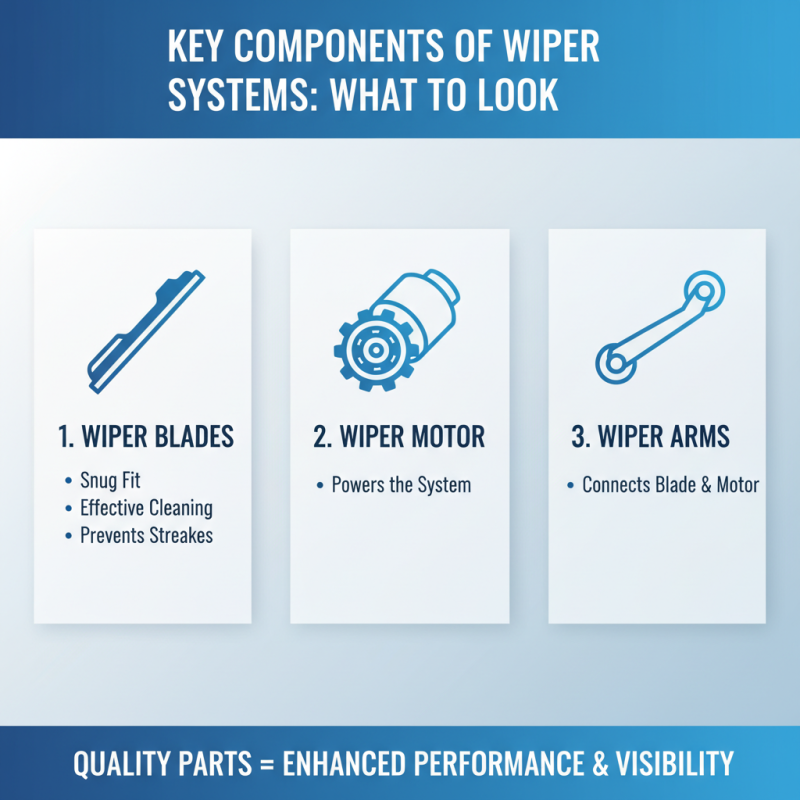
Key Components of Wiper Systems: What to Look For
When considering wiper systems, buyers must focus on key components. Knowledge of essential wiper parts can enhance overall performance. Wiper blades, motors, and arms are critical. Wiper blades must fit snugly for effective cleaning. Poor-quality blades can lead to streaks and reduced visibility.
Purchasing tips are vital. Prioritize materials used in wiper blades. Rubber and silicone have distinct advantages. Rubber offers affordability, while silicone lasts longer. It’s essential to check the spring mechanisms as well. Ensure they provide sufficient pressure for a smooth operation.
Also, consider the wiper motor’s efficiency. An efficient motor minimizes wear on other components. Inspect if it operates quietly under various speeds. Look for common issues, such as excessive noise or intermittent functioning, to gauge quality. Be aware that not all wiper systems are made equal. Research before making a decision.
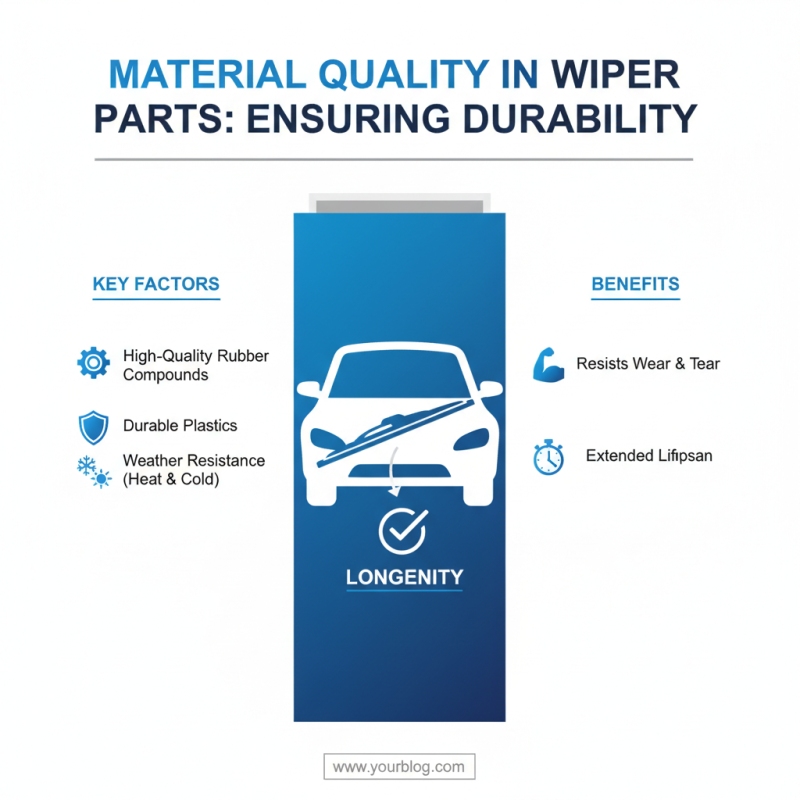
Material Quality in Wiper Parts: Ensuring Durability
When it comes to wiper parts, material quality plays a critical role in ensuring durability. Buyers must consider several factors that contribute to the longevity of these components. High-quality materials, such as rubber compounds and durable plastics, resist wear and tear. They can withstand varying weather conditions, from extreme heat to harsh cold.
It's not just about the visible parts. The internal components also matter. For instance, metal arms should be resistant to corrosion. Choosing materials that offer chemical resistance is essential. They should not degrade quickly when exposed to cleaning agents or other environmental factors. However, many buyers overlook these details, focusing solely on the price.
Investing in quality may seem costly upfront but saves money in the long run. Less frequent replacements and reduced maintenance are vital benefits. A focus on material quality can lead to a better overall performance of the wiper system. Shortcomings in material selection can lead to dissatisfaction. Self-reflection is necessary when evaluating the choices available in the market. Think about what truly matters in your purchase.
Compatibility and Sizing: Matching Wiper Parts to Vehicles
When selecting wiper parts for vehicles, compatibility is key. Different vehicles have unique requirements for wiper sizes and fittings. It is crucial to measure the existing wipers carefully. A tiny difference in length can affect performance. Proper sizing can enhance visibility dramatically during inclement weather. It is essential to reference vehicle manuals or online databases for accurate specifications. These resources often have the most precise information for your vehicle model.
Understanding the attachment type is equally vital. Wiper blades come with various attachment styles, such as hook, pin, or bayonet. Not all wipers fit all vehicles. If the attachment is incorrect, the wipers may not function effectively. This could lead to unnecessary wear and tear on the wiper motor. There are tools available to help buyers assess compatibility. However, one should double-check their findings with trusted online guides or knowledgeable automotive professionals.
Even experienced buyers occasionally face challenges. Mismatched parts can lead to frustration and wasted time. It is advisable to gather as much information as possible before making a purchase. Each step taken to ensure proper compatibility can significantly improve the performance and longevity of wiper systems. Small oversights in this process can lead to larger issues down the line.
Essential Wiper Parts Tips for Global Buyers - Compatibility and Sizing: Matching Wiper Parts to Vehicles
| Vehicle Make |
Vehicle Model |
Wiper Blade Size (inches) |
Wiper Arm Type |
Common Compatibility Issues |
| Toyota |
Camry |
26 |
Hook Type |
Incorrect size may lead to skipping. |
| Honda |
Civic |
24 |
Hook Type |
Blade tension issues with non-OEM parts. |
| Ford |
F-150 |
22 |
Pin Type |
Compatibility with certain aftermarket blades varies. |
| Chevrolet |
Silverado |
24 |
Hook Type |
Improper connection can lead to operational failure. |
| Nissan |
Altima |
26 |
J-Hook |
Check arm length to ensure proper fit. |
Supplier Selection: Tips for Global Wiper Parts Procurement
When selecting a supplier for wiper parts, understanding your specific needs is critical. Start by identifying the exact components required. Each part plays a crucial role in performance and reliability. Have clear specifications ready. This clarity helps streamline communication with potential suppliers.
Research is vital. Look for suppliers with proven excellence in the wiper parts industry. Check for certifications and quality assurance processes. A supplier’s history reflects its reliability. Read reviews and seek testimonials from other buyers. This insight can guide you to trustworthy partners.
Cost is always a factor, but it’s essential to balance it with quality. Some suppliers may offer lower prices, but this could compromise product reliability. Consider long-term value over short-term savings. Reflect on past experiences; did cheap parts lead to issues? Your choice impacts vehicle safety and customer satisfaction.