Top 5 Windshield Wipers Tips for Buyers to Consider?
When it comes to driving safety, windshield wipers are often overlooked. However, they play a crucial role in maintaining visibility in adverse weather conditions. Choosing the right windshield wipers can significantly affect your driving experience and safety on the road.
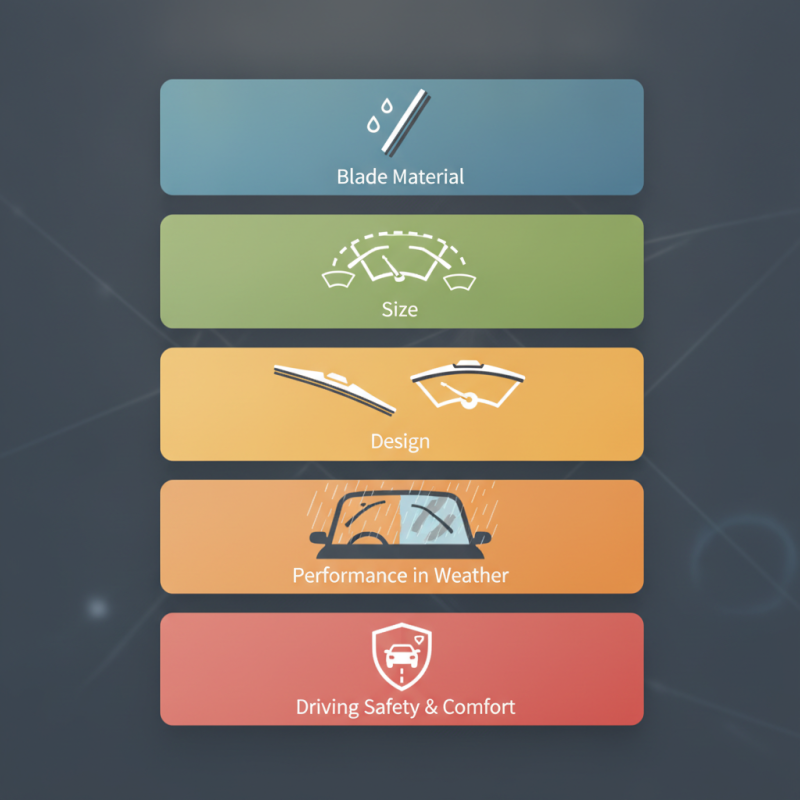
Many buyers might not consider factors such as blade material, size, and design. These elements can determine how well the wipers perform during heavy rain or snow. A poorly chosen set of windshield wipers can lead to streaks, smudges, and reduced visibility. This might make you rethink your selection.
In this guide, we will explore essential tips that can help you make informed decisions. By understanding what to look for, you can enhance your driving safety and comfort. Don’t let something as simple as windshield wipers become a source of frustration.
Choosing the Right Wiper Blade Size for Your Vehicle
When selecting a windshield wiper blade, the right size is crucial. An ill-fitting wiper can lead to reduced visibility. According to industry standards, 33% of vehicle owners often overlook this important detail. A common mistake is assuming that all wipers are interchangeable across models.
Measuring your existing wipers is an effective approach. Most wipers come in various sizes, typically ranging from 14 to 28 inches. For instance, sedans may require blades around 26 inches, while compact cars often use 16 or 18 inches. Check the vehicle manual for specific recommendations. Always compare brands and models to ensure optimal fit.
Here are some tips to remember: Measure from the center of the blade to the end. Replace wipers in pairs for balanced performance. Be mindful of the installation mechanism, as not all systems are the same. In the long run, choosing the correct wiper blade size enhances safety. Adhering to professional guidelines can minimize the chance of subpar visibility during inclement weather.
Top 5 Windshield Wipers Tips for Buyers to Consider
| Tip Number |
Tip Description |
Recommended Wiper Blade Size |
Frequency of Replacement |
| 1 |
Check your vehicle's manual for the right size. |
16 inches |
Every 6-12 months |
| 2 |
Consider the climate conditions you drive in. |
18 inches |
Every 1 year |
| 3 |
Look for wipers with a good warranty. |
20 inches |
Every 6-12 months |
| 4 |
Choose beam style blades for better performance. |
24 inches |
Every 1 year |
| 5 |
Check for wear and tear regularly. |
22 inches |
Every 3-6 months |
Understanding Different Types of Windshield Wipers
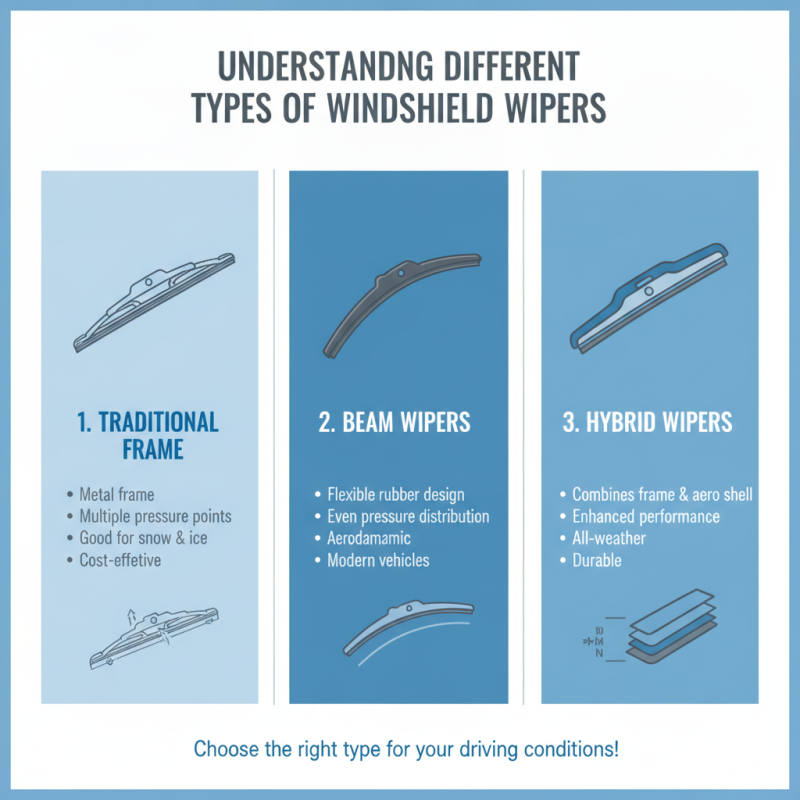
When choosing windshield wipers, understanding the different types available is essential. There are three main styles: traditional frame wipers, beam wipers, and hybrid wipers. Each has unique characteristics that cater to different driving conditions and preferences.
Traditional frame wipers are common and cost-effective. They consist of a metal frame with a rubber blade. However, they may struggle in extreme weather. Beam wipers offer a sleek, frameless design, providing better contact with the windshield. This can improve visibility during rain or snow. Hybrid wipers combine features from both types. They offer the advantages of beam wipers while ensuring a more traditional appearance.
When buying, consider the climate where you drive. If you live in areas with heavy rain, opt for beam or hybrid wipers. Regularly inspect your wipers every six months. This will help identify any wear and tear. If you notice streaks on your windshield, replace them promptly. Investing time in choosing the right wipers is wise. It enhances safety and driving comfort.
Evaluating Wiper Blade Materials for Durability and Performance
When selecting windshield wipers, evaluating the blade materials is crucial for durability and performance. High-quality rubber wiper blades often provide the best performance in various weather conditions. They offer flexibility and smooth functionality. However, cheaper materials may wear down quickly. This can lead to streaking or noise during use.
Synthetic materials, such as silicone, may offer longer life spans. They resist wear better and can handle extreme temperatures. You might find they don't perform as well as rubber in heavy rain, though. It's essential to balance durability with effective water removal.
Consider the environment. If you live in an area with harsh weather, invest in blades designed for those conditions. Researching user reviews can lead you to more reliable options. However, not all products will meet expectations. Test them in your own driving conditions to ensure they match your safety needs.
Considering Seasonal Weather Conditions When Selecting Wipers
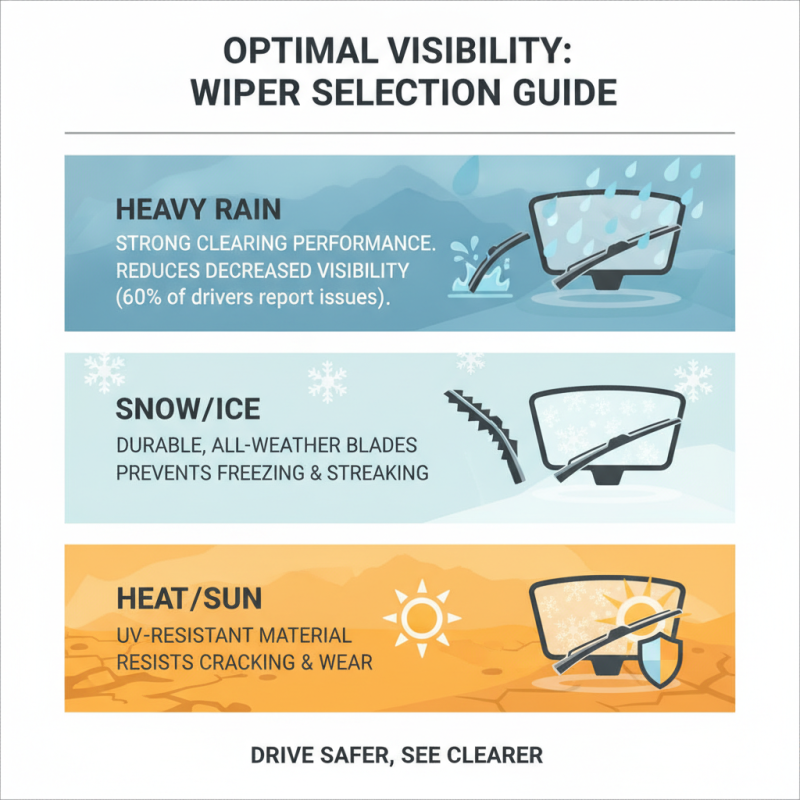
When selecting windshield wipers, it’s crucial to consider the seasonal weather conditions. Different climates call for specific wiper features. For instance, regions with heavy rain benefit from wipers that provide a strong clearing performance. Reports indicate that nearly 60% of drivers report decreased visibility during heavy precipitation, which emphasizes the need for reliable wipers.
In winter, icy and snowy conditions pose unique challenges. Wipers designed with robust rubber and specific shaping can enhance functionality in such climates. Studies show that about 40% of accidents occur due to poor visibility, highlighting the importance of using the right equipment. Regular maintenance also plays a role. Research indicates that wiper effectiveness diminishes after six months of use, especially in extreme temperatures.
Buyers should prioritize their local weather patterns. Some may need features like heated wipers, which can prevent ice buildup. Others may benefit from all-season blades that adapt well to fluctuating conditions. Understanding these aspects improves safety and performance on the road.
Maintenance Tips to Extend the Life of Your Windshield Wipers
When it comes to maintaining your windshield wipers, proper care can significantly extend their lifespan. One key tip is to clean the wiper blades regularly. Dirt and debris build-up can hinder their performance. A simple wipe with a damp cloth can make a noticeable difference. This small action takes only a minute but can save you from costly replacements.
Another point to consider is inspecting the rubber edges. Over time, they can wear out or develop cracks. If you notice any damage, you should replace the blades immediately. A worn blade can leave streaks or fail to clear water effectively, compromising visibility. It's easy to overlook this detail, but attention here is crucial for safety.
Lastly, remember to store your vehicle in a garage or use a cover. Extreme weather conditions can deteriorate wiper quality. Keeping them protected from sunlight and ice reduces wear and tear. Weather can be unpredictable, and using these protective measures can enhance longevity. By practicing these tips, you will ensure your windshield wipers perform efficiently when you need them most.
Top 5 Windshield Wipers Tips for Buyers to Consider