Top Frame Wiper Blade Options for Every Vehicle Need
When it comes to maintaining vehicle safety, a reliable Frame Wiper Blade is essential. Rain, snow, and dirt can obstruct your vision while driving. Choosing the right wiper blades can make a significant difference. This guide explores various Frame Wiper Blade options suited for different vehicle needs.
There are numerous choices in the market. Each product boasts different features, sizes, and materials. It's important to assess these factors based on your driving conditions. A high-quality Frame Wiper Blade should provide clear visibility and last throughout the seasons. However, many drivers overlook this critical component, which can lead to dangerous situations.
Understanding the qualities of a good wiper blade can seem overwhelming. Not all brands are equally effective, and some may fail under harsh weather. It's important to make an informed decision based on your vehicle type, usage, and local climate. By examining top options, you can enhance your safety and driving experience.
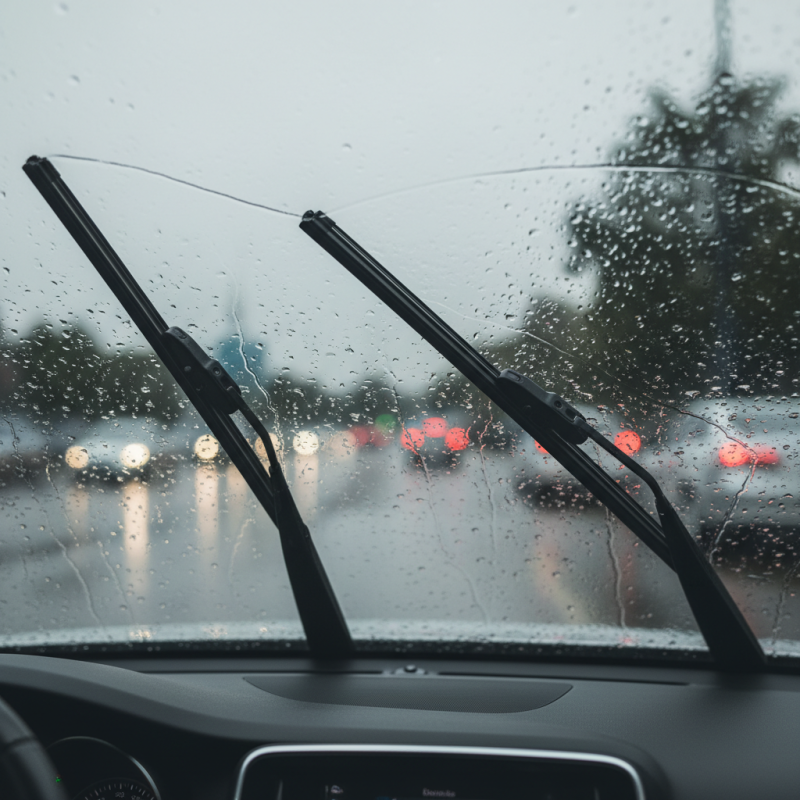
Top Frame Wiper Blade Features Influencing Performance and Longevity
Choosing the right frame wiper blade can greatly enhance your vehicle's performance. Various features influence how well these blades work. One crucial aspect is the material. High-quality rubber offers better durability and resistance to wear. For those living in extreme weather conditions, synthetic materials could be more effective. They withstand heat and freezing temperatures better than standard rubber.
Another important feature is the blade design. A well-engineered blade provides even pressure across the windshield, preventing streaks. Techniques like aerodynamic shaping can help in reducing wind lift at higher speeds. This ensures a clear view in harsh weather. While some blades may look similar, their performance can vary widely. It's often a process of trial and error to find the best match for your vehicle.
Keep in mind that installation is also a factor. Some blades may be more straightforward to install than others. Complications during installation can lead to improper functioning. Regular maintenance, like cleaning the blades, also plays a role. It can help extend their lifespan and improve performance. Reflecting on these features can guide you toward making informed choices.
Comparison of Conventional vs. Beam Wiper Blades: Pros and Cons
When it comes to choosing wiper blades, understanding the differences between conventional and beam styles is crucial. Conventional blades typically have a metal frame and are more widely accessible. They are generally less expensive, making them attractive for budget-conscious drivers. However, they may not operate as effectively in heavy rain. According to a report by the Automotive Parts Manufacturers Association, conventional blades often provide less consistent wiping performance, especially on curved windshields.
Beam blades, on the other hand, possess a sleek design without a frame. They conform better to the windshield, providing improved contact and visibility. Data from the International Windshield Wiper Manufacturers Association shows that beam blades can perform well in severe weather conditions due to their ability to minimize wind lift. Users, however, might find that they wear out faster in areas with extreme temperatures or heavy debris.
Both wiper types have their merits and drawbacks. Conventional blades may be easier to replace, yet they require more frequent changes. Beam blades may offer superior performance but can be pricier. Users should assess their driving conditions and maintenance preferences before making a choice. Understanding these nuances can help ensure that you select the best wiper blade option for your vehicle needs.
Understanding Wiper Blade Material: Rubber, Silicone, and Their Benefits
When choosing wiper blades, the material matters significantly. Rubber and silicone are two popular options. Rubber wiper blades are often praised for their effectiveness in various weather conditions. They excel at clearing rain and light snow. However, they tend to wear out faster than silicone blades, especially under extreme conditions. Their lifespan can be shortened by UV rays and ozone exposure.
Silicone blades, on the other hand, have unique advantages. They resist wear and have a longer lifespan. Many drivers appreciate how silicone can repel water better than rubber. This feature can enhance visibility during heavy rain. Yet, they come at a slightly higher price point. Potential buyers should consider whether the cost aligns with their budget and driving habits.
Understanding these materials can lead to better choices. Each option has its trade-offs. Some may find that rubber blades suit their local climate perfectly, while others may prefer the durability of silicone. Reflecting on specific needs and conditions can help make a balanced decision. Your wiper blades play a crucial role in safety; weighing benefits and drawbacks is essential for every driver.
Expert Recommendations for Wiper Blade Sizes Across Popular Vehicle Models
When selecting wiper blades, knowing the correct sizes for your vehicle is crucial. Each vehicle model has unique specifications. Finding the right fit ensures optimal performance and safety during harsh weather conditions. Consult your vehicle’s owner manual or a trusted resource to confirm the proper wiper blade sizes. This can save time and reduce the hassle of returns.
Tips: Pay attention to wiper attachment types. Most blades have specific connectors that suit various vehicles. Ensure compatibility before purchasing. Also, check the blade length and curvature for a smooth, effective wipe.
Remember that worn wiper blades lead to streaking. This can obscure your vision, creating dangerous driving conditions. Regularly inspect your blades for signs of wear, such as cracking or splitting. If you notice uneven wiping or noise, it's time for a replacement. Don't overlook how essential good visibility is for safety.
Top Frame Wiper Blade Options for Popular Vehicle Models
Seasonal Considerations: Choosing Wiper Blades for Rainy vs. Snowy Conditions
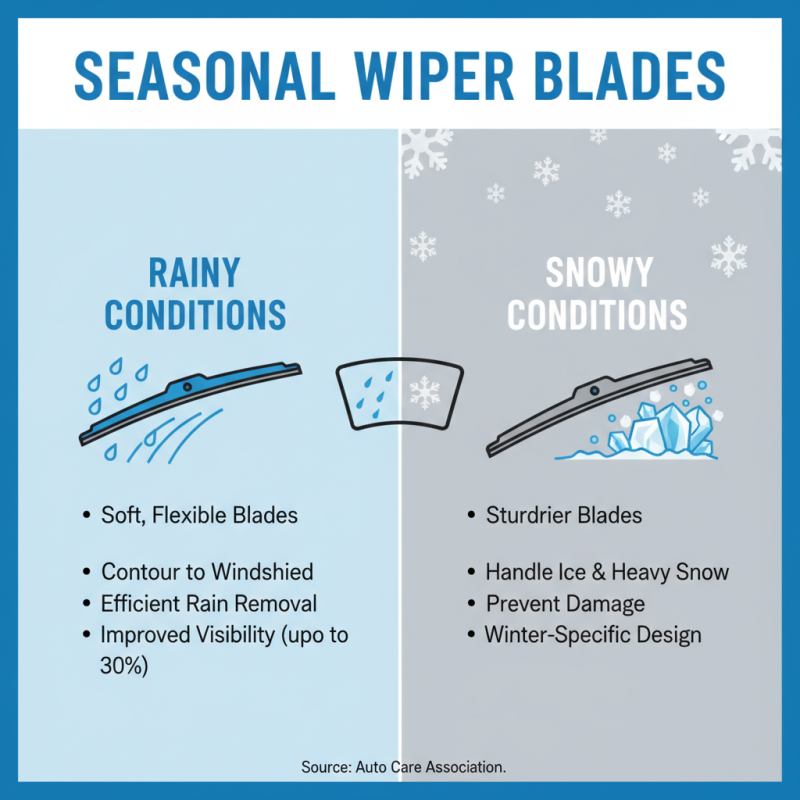
When it comes to choosing wiper blades, seasonal needs play a crucial role. Rainy conditions require soft, flexible blades that can contour to your windshield. These blades ensure clear visibility by efficiently removing rain. According to the Auto Care Association, proper wiper maintenance can improve visibility by up to 30%. On the other hand, snowy conditions necessitate sturdier blades. Winter wipers are designed to handle ice and heavy snow without getting damaged.
Tips for selecting wiper blades: Always check the length specified for your vehicle. This ensures that the blades cover the maximum area without obstruction. Inspect your wipers regularly; worn-out blades can scratch your windshield, leading to costly repairs.
Utilizing the right wiper blades for different seasons is important. For instance, soft rubber blades are excellent for mild rainy weather, while winter blades should have a rubber cover to prevent ice buildup. The National Highway Traffic Safety Administration highlights that poor visibility due to ineffective wipers contributes to 20% of weather-related accidents. Consider the environment in which you drive, and choose blades that fit those challenges best.