Top Car Wiper Parts You Need for Optimal Visibility and Safety?
Ensuring optimal visibility on the road is crucial for safety. One often overlooked aspect is the condition of car wiper parts. These components play a vital role in maintaining clear vision during rain or snow. Functional wipers can make all the difference in hazardous weather.
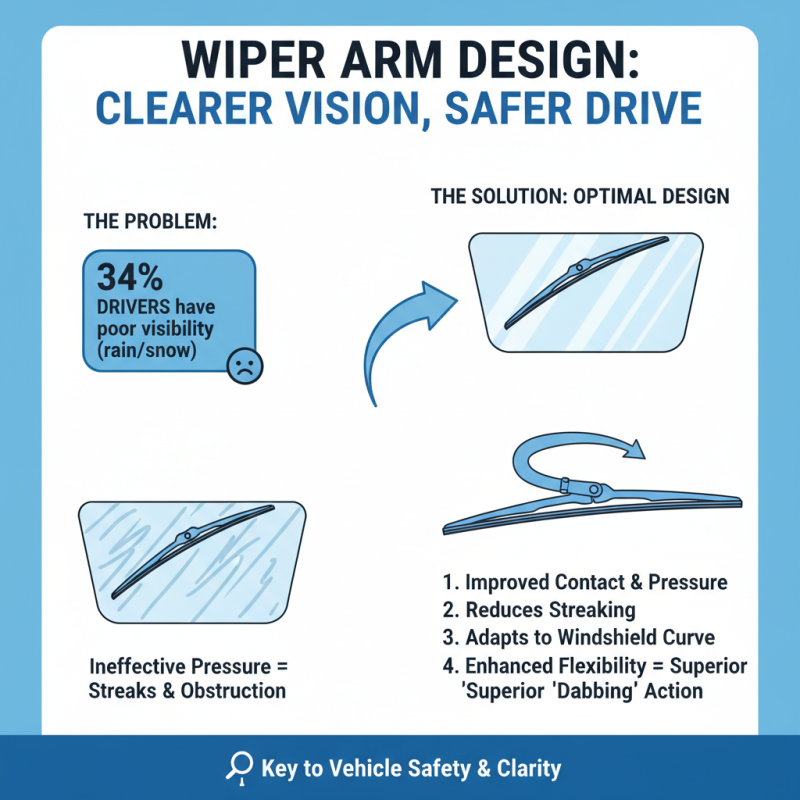
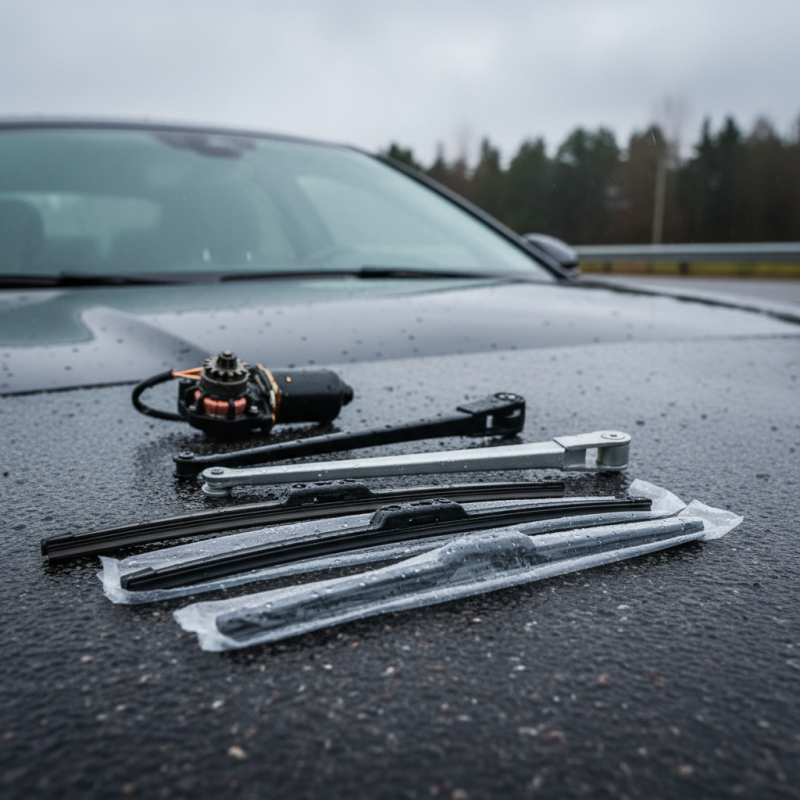
The main parts to consider include wiper blades, arms, and motors. Wiper blades should be checked regularly for wear. They need to be replaced if they show signs of streaking or skipping. Wiper arms hold the blades in place, and a well-functioning arm ensures proper contact with the windshield. Lastly, the wiper motor powers the system. A failing motor can lead to total wiper failure, risking safety on the road.
Attention to car wiper parts is often neglected. Many drivers forget about these components until it's too late. Regular maintenance can prevent unexpected issues. Investing time in understanding these parts not only enhances visibility but also contributes to overall driving safety. Make sure your wiper system is ready for any weather condition.
Essential Components of Car Wiper Systems for Clear Vision
A car’s wiper system is crucial for maintaining clear visibility in bad weather. Essential components include wiper blades, arms, and motors. Wiper blades should be made from high-quality rubber for durability. According to a report by the American Automobile Association, worn wiper blades can reduce visibility by up to 30%, significantly impacting driving safety.
Wiper motors play a vital role by powering the blades. Regular inspections can prevent failures, ensuring wipers perform optimally when needed most. It is important to pay attention to unusual noises or sluggish movements, as these can indicate wear or potential malfunction. In fact, nearly 20% of drivers admit to neglecting wiper maintenance, leading to decreased performance during rain.
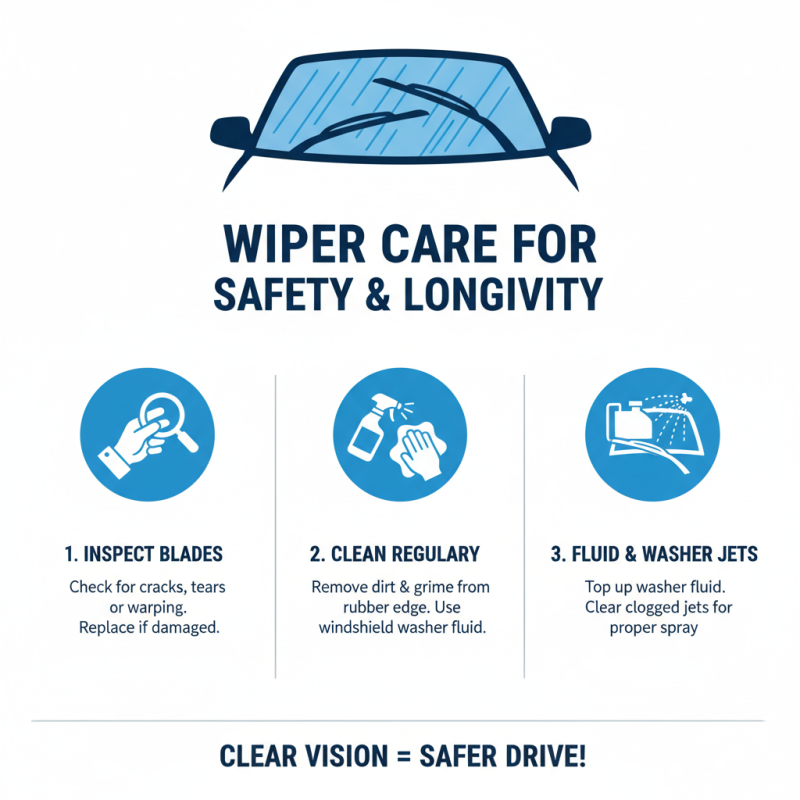
Here are a few tips: Inspect your wiper blades every six months. Replace them if the rubber edges are cracked or have visible wear. Use a soft cloth to clean the blades to maximize their lifespan. Remember, ensuring clarity during adverse weather is not just a matter of comfort; it’s a matter of safety. Consider these aspects seriously to avoid potential accidents.
Types of Wiper Blades and Their Impact on Performance
Choosing the right wiper blades is crucial for maintaining visibility on the road. Each type of wiper blade has its unique design and performance characteristics. Traditional frame-based blades are common, but they may struggle against heavy rain. In contrast, beam wiper blades offer a sleek profile. They provide improved contact with the windshield thanks to their uniform pressure distribution.
Additionally, winter blades are built to tackle harsh weather conditions. They often feature a rubber cover, preventing ice and snow buildup. This design ensures a clear view even in challenging conditions. Unfortunately, not all vehicle owners consider seasonal variations. Ignoring the need for appropriate blades can compromise safety during winter storms. When selecting wiper blades, it’s essential to match them to your regional climate and driving habits.
Regular maintenance also plays a vital role in wiper performance. Over time, blades wear down and lose their effectiveness. Scratches on the windshield can occur if worn-out blades are not replaced promptly. It’s often recommended to inspect wipers every six months. Some drivers forget this step and face reduced visibility during rain or snow. Prioritizing wiper care and understanding blade types can significantly enhance driving safety.
Top Car Wiper Parts You Need for Optimal Visibility and Safety
| Wiper Blade Type |
Material |
Length (inches) |
Performance Rating |
Estimated Lifespan (months) |
| Conventional |
Rubber |
16 |
Medium |
6-12 |
| Beam |
Silicone |
18 |
High |
12-24 |
| Frameless |
Rubber/Silicone |
20 |
Very High |
12-36 |
| Heated |
Rubber |
22 |
High |
12-24 |
The Role of Wiper Motors in Effective Windshield Cleaning
Wiper motors play a crucial role in ensuring clear visibility during adverse weather. These components control the movement of wiper blades, quickly and efficiently removing rain, snow, and debris from windshields. A reliable wiper motor allows drivers to focus on the road ahead without distractions. If the motor malfunctions, the entire wiper system can fail. This not only affects visibility but also compromises safety.
Understanding how wiper motors function is essential for vehicle maintenance. These motors operate through a simple electrical circuit, translating power into mechanical movement. When you activate your wipers, the motor's electrical impulses determine blade speed and direction. Regular inspections can prevent unexpected failures. Neglected wiper motors can lead to streaky or ineffective wiping, creating blind spots that are hazardous.
Moreover, different environmental factors can impact wiper motor performance. Accumulated dirt and moisture can hinder function over time. Drivers may overlook the importance of this part, focusing mainly on the blades themselves. A malfunctioning motor may not show immediate signs of wear, making it easy to dismiss until it becomes a problem. Investing time in understanding and maintaining wiper systems can significantly enhance driving safety.
Top Car Wiper Parts Performance Analysis