How to Fix Auto Wipers That Don't Work Properly?
Auto Wipers are a crucial feature in modern vehicles, ensuring safety in adverse weather conditions. According to a recent industry report, over 70% of accidents during rain occur due to poor visibility. Auto Wipers help maintain clear sight, yet many drivers face issues with their operation.
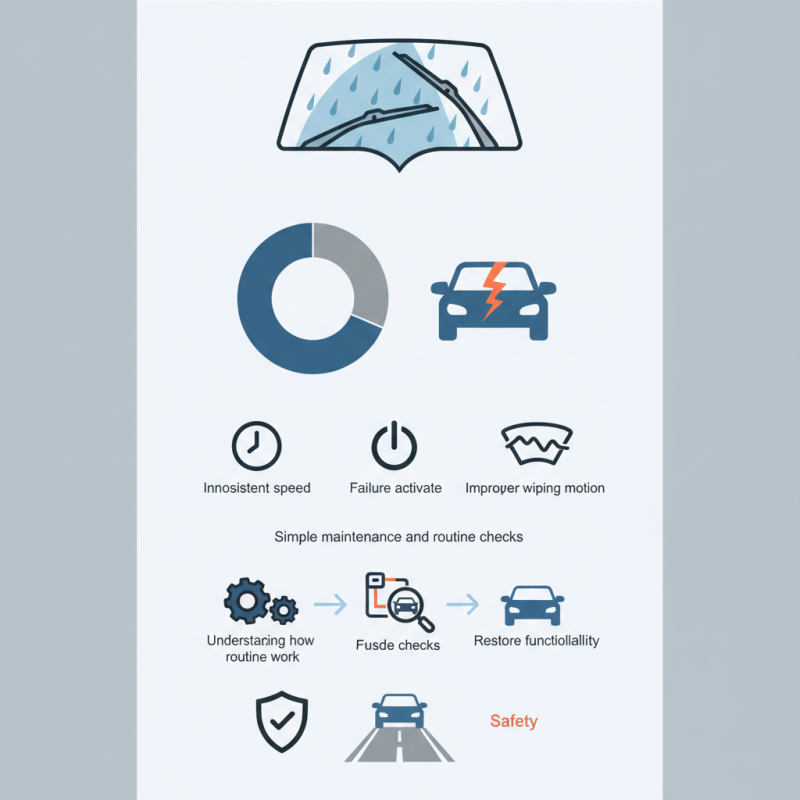
Common problems include inconsistent speed, failure to activate, or improper wiping motion. Such malfunctions lead to frustration and can compromise safety. A survey showed that more than 30% of drivers have encountered wiper issues at least once a year.
Addressing these issues can restore functionality. Simple maintenance and routine checks are often neglected but crucial. Understanding how Auto Wipers work can help identify problems early. Driving without properly functioning wipers isn’t just inconvenient; it can be dangerous. Drivers must reflect on their vehicle's maintenance needs regularly.
Understanding the Mechanism of Auto Wipers
Auto wipers are a key feature in modern vehicles. They make driving safer during rain. However, they sometimes malfunction. Understanding their mechanism is crucial for troubleshooting issues.
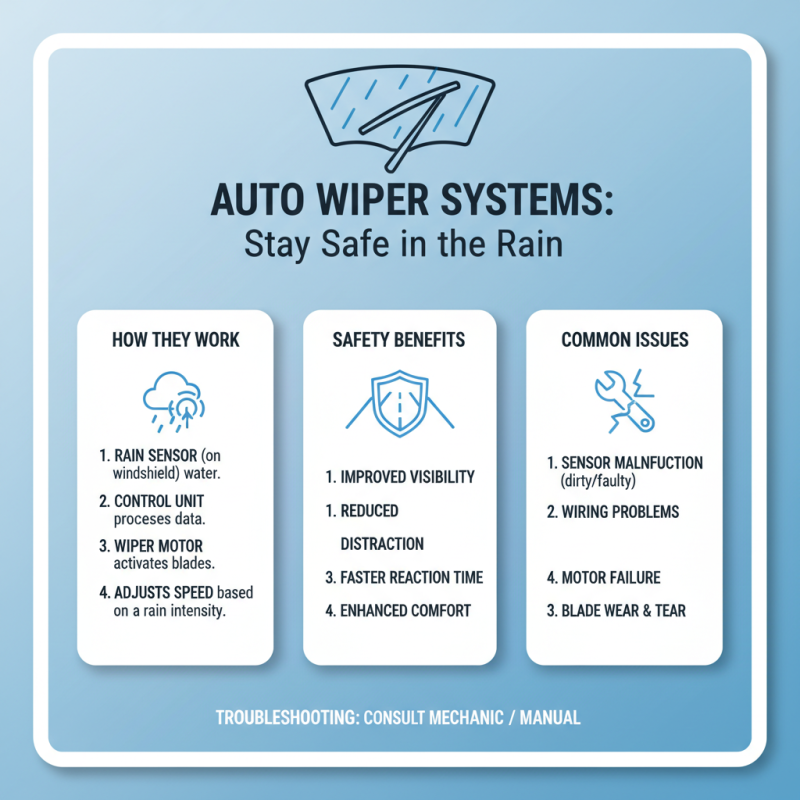
Auto wipers rely on sensors to detect moisture on the windshield. These sensors activate the wipers automatically. If the sensors are dirty or faulty, the wipers may not function properly. Check the sensor area for dirt or obstructions. Sometimes, a simple cleaning can resolve the problem. Other times, the sensor needs replacement.
Another aspect to consider is the wiper motor. If the motor is weak, it may struggle to move the wipers. Listen for unusual noises when activating the wipers. If they seem sluggish, inspect the motor connections. Electrical issues can also arise. Corroded connectors can disrupt the system. Look closely at the electrical components. A thorough inspection can help identify underlying problems that need attention.
Common Causes of Malfunctioning Auto Wipers
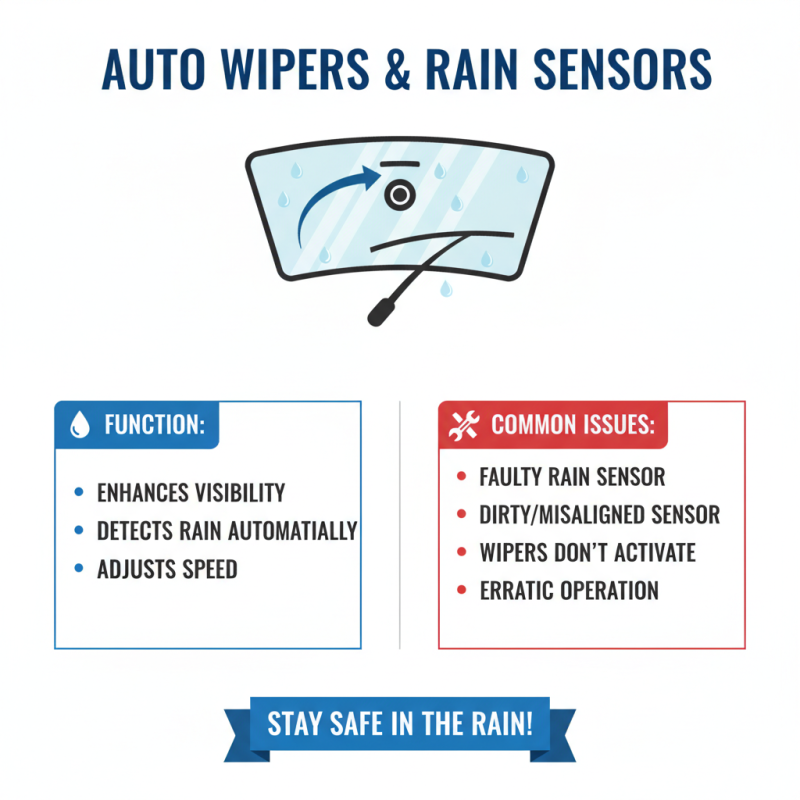
Auto wipers are designed to enhance visibility during rain. However, they can malfunction for various reasons. One common issue is a faulty rain sensor. If the sensor is dirty or misaligned, it may not detect rain accurately. This can lead to wipers that either don’t activate or operate erratically.
Another frequent cause is worn-out wiper blades. Old blades can skip or smear water across the windshield. Inspecting your wiper blades regularly is crucial. If you notice any damage or wear, replace them promptly.
Tips: Maintain the cleanliness of your windshield. A clean surface allows wipers to function better. Additionally, check the fuses related to the wiper system. A blown fuse could completely disable the wipers.
Lastly, electrical issues can cause problems as well. Corroded wiring or a weak battery might affect the wiper system. Take a moment to examine these components. Sometimes, the simplest problems can be overlooked.
Step-by-Step Troubleshooting for Auto Wiper Issues
If your auto wipers are misbehaving, there may be a few simple causes. Start by checking the wiper blade condition. Worn or damaged blades can prevent them from making full contact with the windshield. Look for cracks or tears. If you notice any, it’s time for a replacement.
Next, inspect the wiper motor. It should respond when you activate the wipers. If it doesn’t, the problem might be electrical. Check the fuse for any signs of damage. A blown fuse can stop the motor from working entirely. Replacing it could easily resolve the problem.
Finally, consider the control switch. Sometimes, it can become faulty or stuck, affecting the wipers' performance. Test it to see if it feels loose or unresponsive. If so, it might require adjustment or replacement.
Reflect on these components carefully. Troubleshooting can lead to small revelations about your vehicle.
How to Replace Faulty Components of Auto Wipers
Auto wipers are essential for safe driving in rainy conditions. When these wipers fail, it can lead to visibility issues. Reports suggest that around 25% of wiper-related problems stem from faulty components. It's crucial to identify which parts need replacing to restore function.
Common problems include worn-out wiper blades, faulty motors, and malfunctioning sensors. Replacing worn blades is simple, requiring just a few tools. However, addressing motor issues can be more complex. Detailed diagnostic tests are often needed to pinpoint motor failure. In fact, data shows that up to 15% of wiper malfunctions are due to faulty motors.
Sensor problems can be tricky. Sometimes, they may not detect rain accurately. Regular maintenance checks can prevent this issue. Observing wiper performance in different conditions is necessary. If they don't respond intuitively, it's time for an inspection. Ignoring these signs can lead to bigger issues down the road. Keeping auto wipers functional is not just a maintenance task; it's about ensuring safety.
How to Fix Auto Wipers That Don't Work Properly? - How to Replace Faulty Components of Auto Wipers
| Component |
Common Issues |
Symptoms |
Replacement Tips |
| Wiper Blades |
Worn or cracked blades |
Streaking, skipping, or scratching on the windshield |
Replace every 6-12 months, check for proper fit |
| Wiper Motor |
Failure to operate |
Wipers not moving or inconsistent speed |
Test motor with direct power supply before replacing |
| Wiper Switch |
Electrical issues or bad contacts |
Wipers not responding to controls |
Check for continuity and replace if faulty |
| Fuse |
Blown fuse |
Wipers won't work at all |
Inspect and replace with correct amperage fuse |
| Windshield Washer Pump |
Clogged or damaged pump |
No washer fluid spray |
Clean or replace pump as needed |
Preventive Maintenance Tips for Auto Wiper Longevity
Auto wipers are vital for clear visibility during rain. To ensure they function properly, regular maintenance is necessary. One simple step is to clean the wiper blades. Dirt, debris, and grime can impair their effectiveness. Use a soft cloth and some soapy water. It takes just a few minutes, but the impact is significant. Be attentive to any signs of wear and tear. If the rubber starts to crack, it’s time to replace the blades.
Check the windshield for proper sealing. If there's a gap, water might not clear effectively. Ensure the wiper fluid reservoir is full. Using the right cleaning fluid ensures that the blades stay lubricated and work well. Moreover, avoid using frozen wipers on icy windshields. Excessive force can damage the motor. Always take a moment to inspect their movement. If they make unusual noises or stutter, it's time for a check-up. Regular attention can prevent bigger problems down the road.
Auto Wiper Maintenance: Performance Analysis