10 Essential Tips for Choosing Silicone Car Wiper Blades for Your Vehicle?
When it comes to vehicle maintenance, choosing the right tools is crucial. One often overlooked item is the wiper blades. Silicone Car Wiper Blades have gained popularity for their durability and effectiveness. However, selecting the right pair requires careful consideration.
Many consumers may be unsure about what features to prioritize. Factors like blade length, fitting, and material can significantly affect performance. Silicone Car Wiper Blades provide excellent visibility by resisting wear and performing well in varied weather conditions. Yet, not all silicone blades are created equal.
It's important to evaluate options based on expert reviews and real-world experiences. This can guide buyers in making informed decisions. Investing time in understanding the nuances of silicone blades could lead to improved driving safety. Reflecting on choices and seeking out reliable brands can enhance overall satisfaction.
Understanding the Benefits of Silicone Wiper Blades
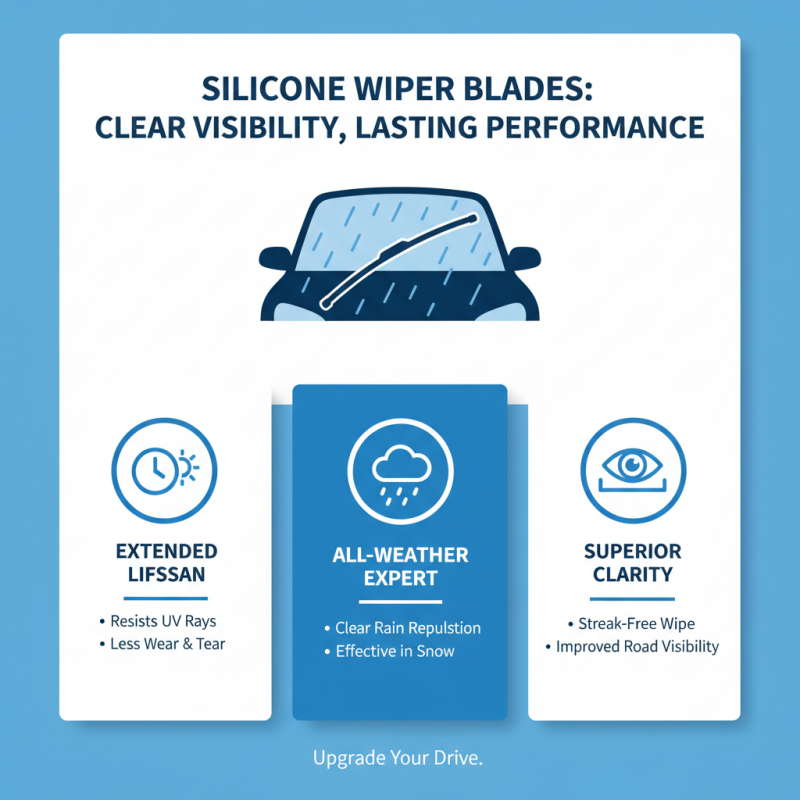
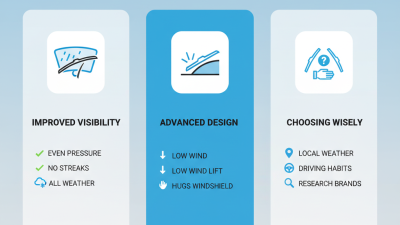
When it comes to visibility on the road, silicone wiper blades stand out. They provide several advantages over traditional rubber blades. Silicone lasts longer, resisting wear and tear from UV rays. They also perform well in various weather conditions, ensuring clear visibility in rain or snow.
Choosing the right wiper blades can feel overwhelming. First, consider the size. Measure your current blades, as incorrect sizing does not work well. Also, think about the type of driving you do. If you face harsh conditions, silicone wipers are worth the investment. They offer durability and performance, although they may be pricier.
Quality matters when selecting wiper blades. Look for reviews from other users. Imperfections can occur, like streaking or noise during operation. Understanding these issues can help you make a better choice. Remember, though, that not every silicone blade may suit your vehicle perfectly. Test them in real-world conditions to see what works best for you.
Key Factors to Consider When Selecting Wiper Blade Size
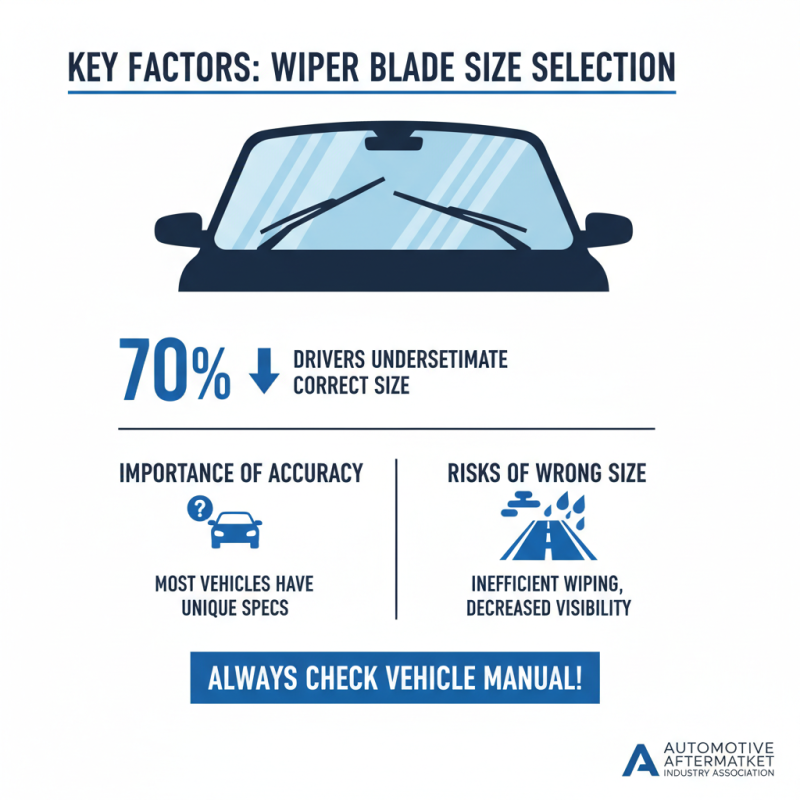
When selecting wiper blade size, accuracy is crucial. Most vehicles have unique specifications for wiper blades. An industry study by the Automotive Aftermarket Industry Association reported that 70% of drivers underestimate the importance of using the correct size. Using the wrong size can lead to inefficient wiping and decreased visibility during adverse weather.
Measure your existing wiper blades before purchasing replacements. Consider the length and attachment type. Most vehicles require specific wiper blade measurements to ensure optimal performance. If unsure, check your vehicle's manual or consult online databases that provide accurate specifications. Websites like those of major automotive associations often publish this data.
Tip: Opt for silicone wiper blades for durability. They resist wear from UV rays and last longer than traditional rubber blades. Despite their higher cost, their longevity can offer cost-effective savings. Keep in mind that a small misjudgment in size can affect wiper performance. Don't neglect this detail.
Furthermore, consider your local weather conditions. In regions with heavy rain or snowfall, longer blades might be more effective. A survey indicated that up to 40% of users didn't change their wiper blades annually, leading to compromised safety. Checking the size and type regularly can enhance your vehicle’s safety.
Assessing Compatibility with Your Vehicle's Wiper System
When selecting silicone car wiper blades, compatibility with your vehicle's wiper system is crucial. A 2022 industry report indicated that over 40% of drivers mistakenly choose wipers that do not fit their vehicle model. This can lead to ineffective performance, which compromises visibility during rain or snow. Many vehicles have specific arm types, such as J-hook or bayonet, affecting attachment methods. Thus, knowing your vehicle’s specifications is essential.
Consult your owner's manual for guidance on wiper blade sizes and mounting styles. Websites dedicated to automotive parts often include compatibility charts. Independent studies show that improper blade size can reduce wiper efficiency by up to 30%. Many consumers overlook this detail, resulting in a poor investment. Research also reveals that silicone blades can last up to 60% longer than conventional rubber, but only if they fit well. Therefore, confirming compatibility ensures you maximize durability and performance while driving. Take the time to verify your vehicle's requirements and avoid unnecessary frustration on the road.
10 Essential Tips for Choosing Silicone Car Wiper Blades for Your Vehicle
| Tip Number |
Tip Description |
Compatibility Factors |
Benefits |
| 1 |
Check Vehicle Manual |
Wiper blade size |
Ensures correct fit |
| 2 |
Choose the Right Size |
Length specifications |
Optimal performance |
| 3 |
Consider Wiper Type |
Conventional vs. beam blades |
Improved visibility |
| 4 |
Look for Quality Material |
Silicone vs. rubber |
Longer lifespan |
| 5 |
Evaluate Performance in Rain |
Water repellent features |
Clear visibility during rain |
| 6 |
Check for Noise Levels |
Sound during operation |
Quieter drive |
| 7 |
Ensure Easy Installation |
Mounting systems |
Convenient replacement |
| 8 |
Examine the Warranty |
Manufacturer’s guarantee |
Added security |
| 9 |
Assess Seasonal Needs |
Winter vs. summer performance |
Year-round safety |
| 10 |
Read Customer Reviews |
User experiences |
Informed decision-making |
Evaluating Wiper Blade Performance in Different Weather Conditions
When selecting silicone wiper blades, understanding their performance in various weather conditions is crucial. Silicone blades have unique properties that can influence their effectiveness. They often excel in extreme temperatures. However, it's essential to assess how they function during heavy rain or icy conditions.
For instance, in heavy rainfall, silicone blades should maintain effective contact with the windshield. They should provide clear visibility while clearing away water. Observing their performance during a light drizzle might give a false sense of security. Sometimes, rain can pool on the windshield, impacting visibility.
Moreover, ice and snow present challenges. Silicone wipers may struggle with build-up, leading to streaked visibility. It's wise to test them in diverse weather patterns before settling on a choice. Each region has its specifics, and not every wiper blade performs similarly in every scenario. By evaluating their abilities, you ensure a safer driving experience.
Wiper Blade Performance in Different Weather Conditions
This chart illustrates the performance of silicone car wiper blades under various weather conditions, comparing their effectiveness in terms of visibility enhancement during rain, snow, and dry conditions.
Comparing Silicone Wiper Blades with Traditional Rubber Options
When it comes to wiper blades, silicone and rubber each have their own advantages. Silicone wiper blades tend to last longer than traditional rubber options. Studies suggest that silicone blades can outlast rubber by 40-50%. This longevity can lead to cost savings over time. However, they can be more expensive upfront, which raises questions about their value for money.
Traditional rubber blades are often more widely available. They perform well in moderate weather conditions but wear out more quickly, especially in extreme conditions. A report from the International Journal of Automotive Technology indicates that rubber wiper blades may become less effective after just a few months, significantly reducing visibility. In contrast, silicone blades maintain their wiping performance longer.
However, not all silicone blades are created equal. Some may not fit every vehicle type as snugly as rubber options. This can lead to streaks or missed spots during operation. Vehicle owners must consider weather conditions, budget, and the specific fit for their cars when choosing wiper blades. Choosing the right type requires careful thought and assessment of one's driving environment.