Leave Your Message

10 Essential Tips for Choosing the Best Multifunctional Wiper Blade?

Choosing the right Multifunctional Wiper Blade can significantly impact your driving safety and comfort. According to the Auto Care Association, up to 30% of drivers neglect this essential component. Worn or ineffective wiper blades can reduce visibility during rain or snow. An alarming statistic reveals that poor visibility contributes to over 1.3 million accidents annually.

Various types of wiper blades exist, but Multifunctional Wiper Blades offer the best solution. They combine functionality, durability, and performance in different weather conditions. Research indicates that these blades improve wiping efficiency by up to 50% compared to standard blades. This improvement not only enhances visibility but also prolongs the lifespan of the blade itself.

However, many consumers make hasty decisions when purchasing wiper blades. Brands often overstate performance claims, leading to confusion. It's essential to assess factors such as blade material, design, and compatibility with your vehicle. Investing time in understanding these elements can lead to better choices and, ultimately, safer driving experiences. While we frequently overlook wiper blades, they play a critical role in our everyday safety on the road.

10 Essential Tips for Choosing the Best Multifunctional Wiper Blade?

Factors to Consider When Choosing Wiper Blades

10 Essential Tips for Choosing the Best Multifunctional Wiper Blade?

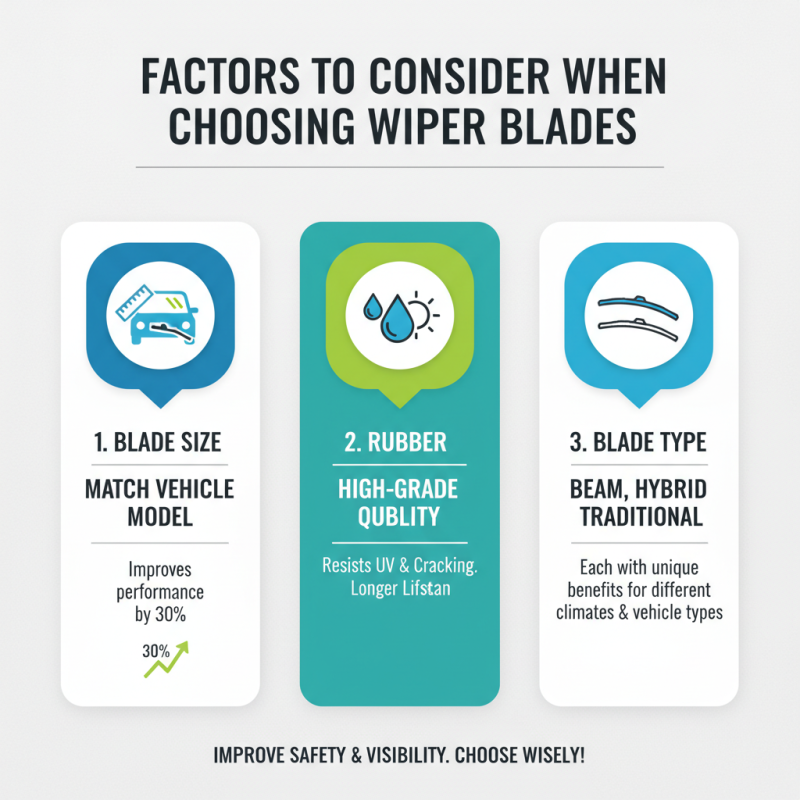
Choosing the right wiper blades for your vehicle is crucial for safety and visibility. Several factors come into play when evaluating options. Consider blade size, which often varies by vehicle model. According to industry reports, using the correct size can improve performance by up to 30%. Look for rubber quality. High-grade rubber offers better durability. It can resist UV rays and cracking, extending the lifespan of the blades.

Weather conditions also influence your choice. For those in rainy regions, consider blades designed for heavy rain. These typically feature a curved design to maintain contact with the windshield. Meanwhile, those living in snowy areas might need winter-specific blades. A report from the Automotive Industry Association states that using appropriate blades can enhance safety by reducing visibility issues by nearly 25% in adverse conditions.

Don’t overlook installation. Many have faced challenges when fitting blades. An improper fit can lead to inefficient wiping. Poorly installed blades often leave streaks. Reviewing installation guidelines can save you time and frustration. Take your time when selecting, as choosing the wrong blades can diminish their effectiveness. Test and reflect on your choices frequently.

Understanding Different Types of Multifunctional Wiper Blades

When choosing multifunctional wiper blades, understanding the various types is crucial. There are three primary kinds: traditional frame wipers, beam wipers, and hybrid wipers. Traditional wipers use a metal frame. They are effective but can struggle under extreme weather conditions. Beam wipers, on the other hand, have a sleek design and perform better in snow and ice. They contour to the windshield better, providing a cleaner sweep. Hybrid blades combine elements of both designs, aiming to offer the best of both worlds.

Industry reports indicate that up to 70% of drivers overlook wiper blade maintenance. This can lead to decreased visibility, especially during rain. A study published by a leading automotive safety organization revealed that visibility issues contribute to 20% of driving accidents. Selecting the right type of wiper blade is a safety imperative. Look for features like rubber quality and design efficiency. Also, consider the climate in your area. A blade that works well in one region may fail in another. This is often overlooked, and it reflects a gap in consumer awareness. Choose wisely. Your safety depends on it.

Comparison of Different Types of Multifunctional Wiper Blades

This chart displays the performance ratings of various types of multifunctional wiper blades. The ratings range from 1 to 10, showcasing how each blade type performs in different conditions. The performance of Beam blades ranks the highest, followed by Hybrid and Conventional options.

Evaluating Wiper Blade Materials for Durability and Performance

When selecting a wiper blade, material choice is crucial for durability and performance. Many wipers are made from rubber, silicone, or blended materials. Rubber wipers are common, but they can degrade quickly in extreme weather. They may crack and harden when exposed to intense sunlight or cold temperatures.

Silicone wipers often offer better longevity. They resist UV rays and don’t wear down as fast as rubber. This means they can last longer under harsh conditions. However, silicone can be more expensive, and some find their performance less effective during heavy rain. Blended materials offer a middle ground. They combine benefits of rubber and silicone. However, not all blends perform equally well.

Choosing the right wiper blade requires understanding how materials interact with various weather patterns. Testing wipers before buying is a good strategy. Check for flexibility and softness. A blade that feels stiff may not provide a good seal against the windshield. Pay attention to reviews and real-life experiences. What works for one driver may not work for another. Reflect on these aspects to make a well-informed decision.

Importance of Proper Wiper Blade Size and Fit

Choosing the right wiper blade involves understanding size and fit. Many drivers overlook this crucial aspect. A study by the Automotive Improvement Institute found that 60% of drivers use incorrectly sized wiper blades. This can cause streaking or reduced visibility.

Proper fit ensures that wipers effectively clear rain and debris. Wiper blades that are too short may not cover the entire windshield. This leaves parts untouched, risking a dangerous blind spot. On the other hand, blades that are too long may collide with the windshield frame. Always measure your current blades before shopping.

Additionally, consider seasonal changes. In winter, for instance, snow can weigh down blades. A right-fit blade can handle these challenges better. According to industry reports, well-fitted wipers improve visibility by 30% in adverse weather. Ignoring fit may lead to more frequent replacements, which is not cost-effective.

10 Essential Tips for Choosing the Best Multifunctional Wiper Blade

Tip Number Tip Description Importance of Proper Size
1 Check vehicle specifications for correct size. Ensures optimal visibility and fit.
2 Look for OEM (Original Equipment Manufacturer) recommendations. Guarantees compatibility with your vehicle.
3 Consider all-weather wiper blades for diverse conditions. Offers flexibility in varying weather scenarios.
4 Examine the wiper blade material (rubber vs. silicone). Different materials offer varying performance and longevity.
5 Research user reviews for insight on performance. Helps gauge real-world effectiveness and reliability.
6 Pay attention to the wiper blade length. Incorrect length can lead to inadequate wiping performance.
7 Choose the right connector type (hook, pin, etc.). Ensures proper installation and functionality.
8 Consider professional installation if unsure. Avoids mistakes that can lead to poor performance.
9 Look for special features like noise reduction. Enhances comfort and driving experience.
10 Check the warranty for the wiper blades. A good warranty reflects quality and durability.

Assessing Installation Ease and Maintenance of Wiper Blades

10 Essential Tips for Choosing the Best Multifunctional Wiper Blade?

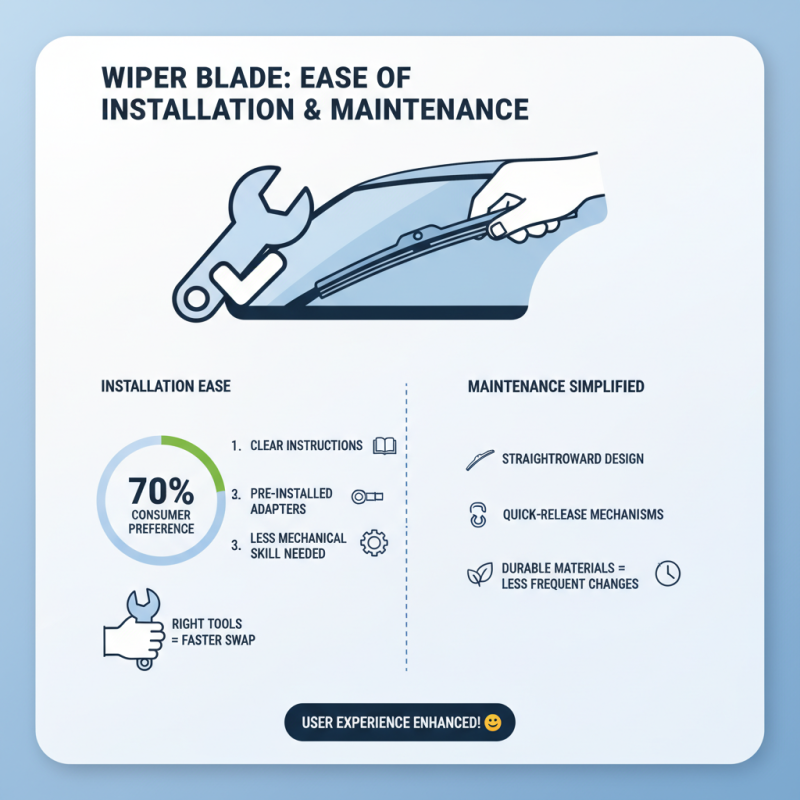
When selecting wiper blades, consider installation ease. A survey by the Automotive Aftermarket Industry Association revealed that 70% of consumers prefer easy-to-install products. Many wiper blades now come with clear instructions and pre-installed adapters. This can save time for those who may not have mechanical skills. The right tools can make a difference too. A straightforward design often enhances the user experience.

Maintenance is another crucial factor. A report from J.D. Power shows that neglecting wiper maintenance can lead to reduced visibility during rain. Worn-out blades may leave streaks, impacting safety. Regularly checking your blades can prevent these issues. Consider swapping them out every six months. However, some might find it challenging to stay on top of this routine. Visual cues, like squeaking or skipping, can remind drivers it’s time for a change.

While many modern blades offer longevity, they aren't foolproof. Environmental factors can affect durability. For example, extreme temperatures can lead to premature wear. Acknowledging these aspects helps in making informed choices. Finding the balance between convenience and diligence is essential. The key is to stay aware and proactive.