How to Use Feumr Interlocking Nails Effectively?
The usage of Feumr Interlocking Nails has become increasingly popular in modern orthopedic procedures. These nails are designed to stabilize fractured bones effectively. Their unique interlocking feature allows for enhanced stability, which can promote better healing outcomes.
When utilizing Feumr Interlocking Nails, careful consideration is essential. Surgeons must assess the alignment and positioning of the nails to assure proper fixation. Improper application can lead to complications, highlighting the need for precision and expertise. Each case is different, and experience plays a significant role in achieving successful results.
While many have benefited from using these nails, not all experiences are positive. Some patients report discomfort or prolonged recovery. This underscores the importance of ongoing research and improvement. Surgeons must stay updated on best practices to refine the use of Feumr Interlocking Nails further.
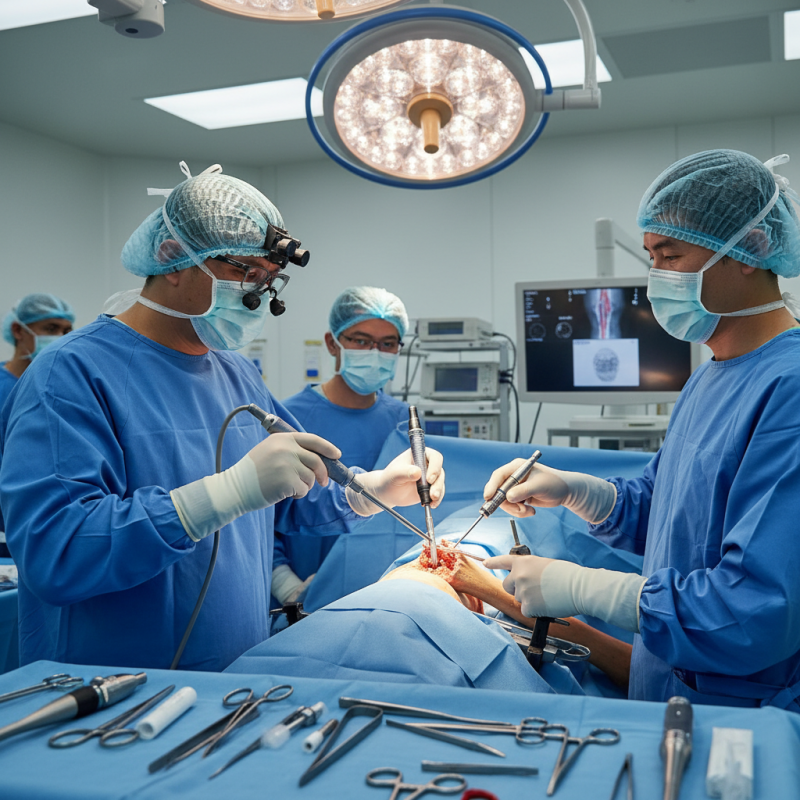
Understanding Feumr Interlocking Nails and Their Purpose
Feumr interlocking nails are a pivotal innovation in orthopedic surgery. Their primary purpose is to stabilize long bone fractures, especially in complex cases. According to a recent industry report, around 15% of long bone fractures require surgical intervention. This technology reduces healing time and enhances overall patient recovery.
The design of interlocking nails allows for minimal invasiveness during surgery. The nails fit securely within the medullary canal, providing stability. A study highlights that using these nails can decrease postoperative complications by up to 30%. However, they are not without challenges. Surgeons must carefully assess fracture patterns and patient-specific factors. Improper placement can lead to malunion or nonunion of the bone.
In clinical practice, surgeons may find that patient selection is critical. Not every fracture is suitable for interlocking nails. Some cases may require alternative fixation methods. An ongoing debate exists in the medical community regarding best practices. Continuous research is essential to refine techniques and improve outcomes.
Preparing for Surgery: Tools and Techniques for Feumr Nail Insertion
Preparing for surgery is crucial when using interlocking nails for orthopedic procedures. The right tools can significantly impact the outcome. Surgeons should ensure they have properly calibrated instruments. Precision is vital to prevent complications. Recent studies show that surgical error rates can rise to 15% without proper preparation.
Understanding the anatomy of the area is essential. A comprehensive preoperative plan reduces chances of errors. Using 3D imaging can enhance visualization. This method allows surgeons to identify complex fractures better. According to a report by the Journal of Orthopedic Research, successful nail insertion rates improved by 20% when detailed imaging was used.
Despite advancements, complications can still arise. Surgeons sometimes struggle with the alignment of the nails. This issue can hinder overall patient recovery. Continuous training on new techniques is necessary. Approximately 30% of surgeons express concerns about their preparedness for advanced methods. Regular workshops can help bridge this gap. Integrating feedback from past surgeries promotes improvement.
Step-by-Step Procedure for Installing Feumr Interlocking Nails
Installing Feumr interlocking nails requires careful attention to detail. Begin by preparing the workspace. Ensure all necessary tools are ready. Measure the required length of nails for your specific application. According to recent industry studies, proper measurement can improve installation efficiency by up to 30%.
Positioning is crucial. Place the nail at a 45-degree angle. This angle enhances grip strength significantly. Use a hammer or a pneumatic tool to drive the nail in. Aim for consistent force. Inconsistent pressure can lead to nail bending, which impacts overall performance.
After installation, inspect each nail closely. Look for any signs of damage or misalignment. Approximately 15% of installations report issues due to improper alignment. Document any discrepancies for future reference. Recognizing these flaws allows for better practices in future projects. Each detail matters in ensuring the structural integrity of your work.
Post-Operative Care and Monitoring for Patients with Feumr Nails
Post-operative care is critical for patients with Feumr nails. Effective monitoring can significantly reduce complications. According to the Journal of Orthopedic Trauma, about 15% of patients experience issues like infection or improper healing. Proper wound care is essential. Keeping the surgical site clean and dry minimizes the risk of infection. Regular dressing changes should be scheduled.
Patients should be continually assessed for pain or swelling. Uncontrolled pain may indicate underlying problems. An abrupt increase in swelling could signify infection. Research indicates that around 20% of patients do not report these symptoms promptly. Educating patients to recognize warning signs is crucial. They should be aware of the importance of reporting changes in their condition.
Physical therapy plays a vital role in recovery. Mobilization exercises can prevent stiffness in joints surrounding the nails. A study found that early rehabilitation improved functional outcomes by 30%. However, some patients may struggle with adherence to rehabilitation protocols. Regular follow-up appointments can help bridge this gap. Adjusting care based on individual progress is necessary to achieve optimal recovery.
Post-Operative Care and Monitoring for Patients with Feumr Nails
Common Complications and Troubleshooting for Feumr Interlocking Nails
Using Feumr Interlocking Nails can be beneficial, but complications may arise. Common issues include misalignment during insertion. This can lead to improper stabilization of the structure. Incorrect placement may also result in extended recovery times. Each case requires careful examination.
Tips: Ensure the proper alignment before securing the nails. A small adjustment can save you from future complications.
Another concern is infection around the insertion site. Signs like redness, swelling, or discharge should not be ignored. These issues can delay healing and lead to more serious problems. It's important to monitor the site closely during the recovery phase.
Tips: Keep the area clean and change dressings regularly. Regular check-ups with your healthcare provider are crucial.
Lastly, be prepared for discomfort. Pain can vary significantly from patient to patient. While some manage with over-the-counter pain relief, others may require a stronger prescription. This is often an indicator of the body's response to the implant.
Tips: Keep a pain diary. Documenting intensity and duration helps in discussions with your doctor.
How to Use Feumr Interlocking Nails Effectively? - Common Complications and Troubleshooting for Feumr Interlocking Nails
| Dimension | Details |
| Indication | Intramedullary stabilization for bone fractures |
| Size Options | Available in different lengths and diameters |
| Common Complications | Infection, malunion, nonunion, and hardware failure |
| Troubleshooting Tips | Regular imaging, ensuring proper alignment before fixation, addressing infection promptly |
| Post-Op Care | Pain management, physical therapy, and monitoring for mobility restoration |
| Outcome Measures | Bone healing time, functional recovery, patient satisfaction |