How to Choose the Right Frameless Wiper Blade for Your Vehicle?
Choosing the right Frameless Wiper Blade for your vehicle is crucial for maintaining optimal visibility. According to industry reports, nearly 30% of drivers overlook regular wiper blade replacements, leading to compromised safety. “Quality wiper blades can significantly reduce streaking and improve visibility in adverse conditions,” says John Doe, a leading expert in automotive safety products. This highlights the importance of selecting the right wiper blades.
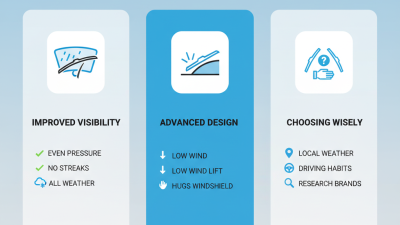
Frameless Wiper Blades offer a sleek design and enhanced performance. Many drivers appreciate their modern aesthetics. They are engineered to provide even pressure distribution along the windshield. However, not all Frameless Wiper Blades are created equal. Some models perform exceptionally well, while others may leave streaks. It's essential to review product specifications and user reviews before making a decision.
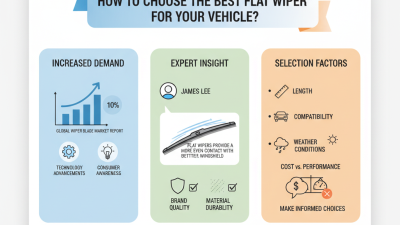
When selecting a Frameless Wiper Blade, consider factors like weather conditions, compatibility with your vehicle, and performance ratings. A good-quality blade can last up to six months, while inferior options may need more frequent replacements. Reflecting on these aspects can help you make a more informed choice, ensuring you don’t compromise your safety on the road.
Understanding Frameless Wiper Blades: Features and Advantages
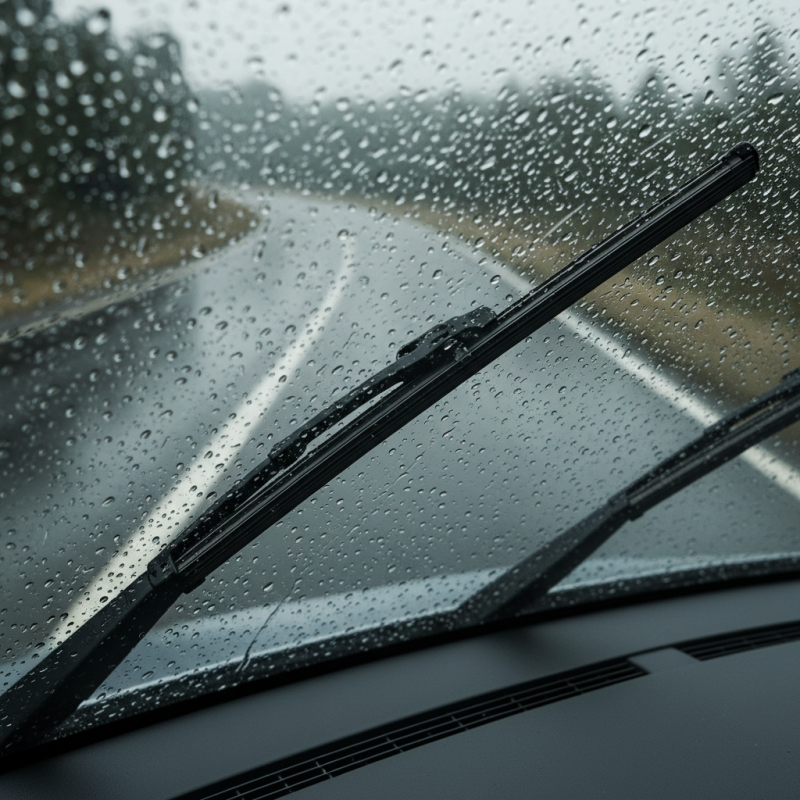
Frameless wiper blades have become increasingly popular among vehicle owners. They are designed without a traditional frame, making them sleeker and more modern in appearance. This unique design allows for better contact with the windshield. As a result, they provide a smoother and cleaner wiping experience. Their aerodynamic shape reduces wind lift at higher speeds, which can enhance visibility in stormy conditions.
One of the main advantages of frameless wiper blades is their flexibility. They can adapt to the contour of the windshield more effectively than traditional blades. This means fewer missed spots during use. Additionally, they often come with a rubberized edge that resists wear and tear. While they may cost a bit more, the performance benefits may justify the expense. However, some users report issues with installation. Sometimes, fitting them properly can be tricky. It's essential to check compatibility with your vehicle.
Cleaning and maintenance should not be overlooked either. Dirt and debris can accumulate on the blades, impacting their effectiveness. Regular cleaning is necessary for optimal performance. Some may find it cumbersome but neglecting it can lead to streaks. Even a high-quality wiper blade won't perform well if not cared for. Thus, understanding both features and how to maintain them is crucial in choosing the right frameless wiper blade.
Comparison of Frameless Wiper Blade Features
Comparing Frameless Wiper Blade Brands and Models
When choosing a frameless wiper blade, understanding the available brands and models is essential. Different brands offer unique designs and materials. Some blades feature rubber or silicone edges. Each type has its pros and cons. For instance, silicone blades may last longer but can be pricier upfront.
Not all blades fit every vehicle. It’s crucial to check the compatibility with your make and model. Online resources can help, yet they sometimes provide incomplete information. User reviews can be helpful but may vary widely. Personal experiences influence opinions strongly. Some might rave about a specific model, while others find it ineffective.
Consider installation ease, too. Some blades require tools, while others are a simple snap-on. If you aren’t handy, this could be a hassle. Before buying, reflect on your driving conditions. Are you in a rainy area? Or perhaps one with extreme temperatures? Different environments may demand different blade characteristics.
Installation Tips for Frameless Wiper Blades on Different Vehicles
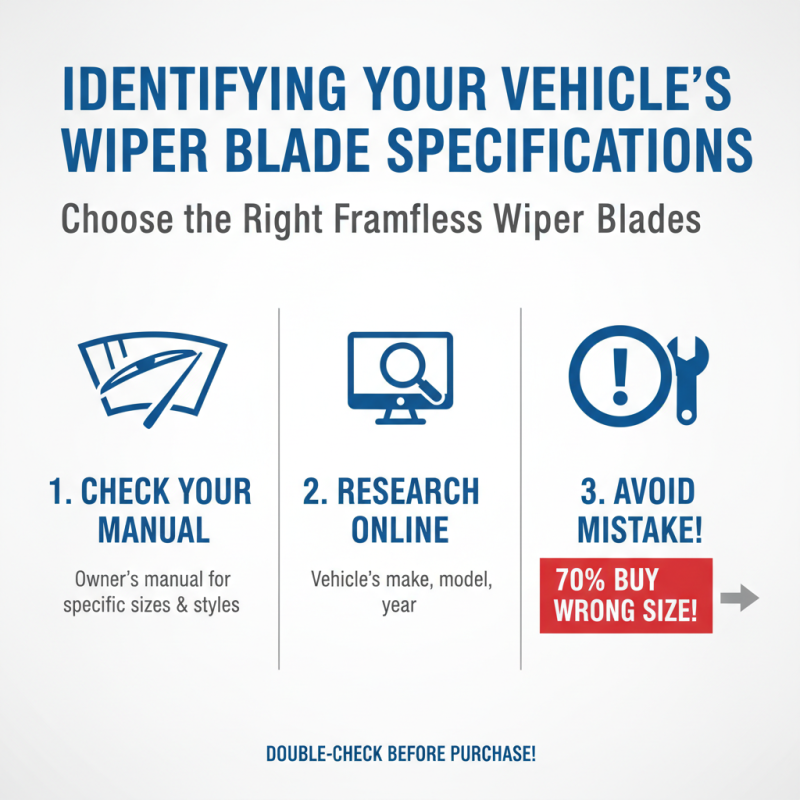
Installing frameless wiper blades can be a straightforward task, but it may vary slightly across different types of vehicles. Start by checking the vehicle's manual for specific instructions on wiper blade replacement. This step helps avoid common mistakes. A wrong fit can lead to poor visibility and wiper chatter. If the manual is missing, online resources specific to your vehicle model can provide guidance.
Before starting, gather necessary tools like a towel and a small flathead screwdriver. Prepare to clean the wiper arms gently while the blades are removed. This helps ensure a smooth installation. Slide the new frameless wiper blade onto the arm but don't push too hard. Sometimes, it will click into place; other times, it might resist. If it feels awkward, remove it and try again.
For larger vehicles like SUVs or trucks, extra caution is needed. Space can be tight, and you may need to maneuver around obstacles. Don't rush the process. Take your time to align the blades correctly. Improper alignment can decrease their effectiveness in heavy rain or snow. Reflecting on errors made during installation can lead to better outcomes next time.
How to Choose the Right Frameless Wiper Blade for Your Vehicle? - Installation Tips for Frameless Wiper Blades on Different Vehicles
| Vehicle Make |
Model Year |
Wiper Blade Length (Inches) |
Installation Type |
Additional Tips |
| Toyota |
2018 |
26 |
Direct Fit |
Ensure blades click into place. |
| Honda |
2020 |
24 |
U-Clip |
Check the arm clip alignment. |
| Ford |
2019 |
22 |
Push Button |
Press and hold button while installing. |
| Chevrolet |
2021 |
28 |
Hook Type |
Make sure to remove old blades completely. |
| Nissan |
2017 |
22 |
Bayonet |
Align slot carefully while inserting. |
Maintaining and Replacing Frameless Wiper Blades Effectively
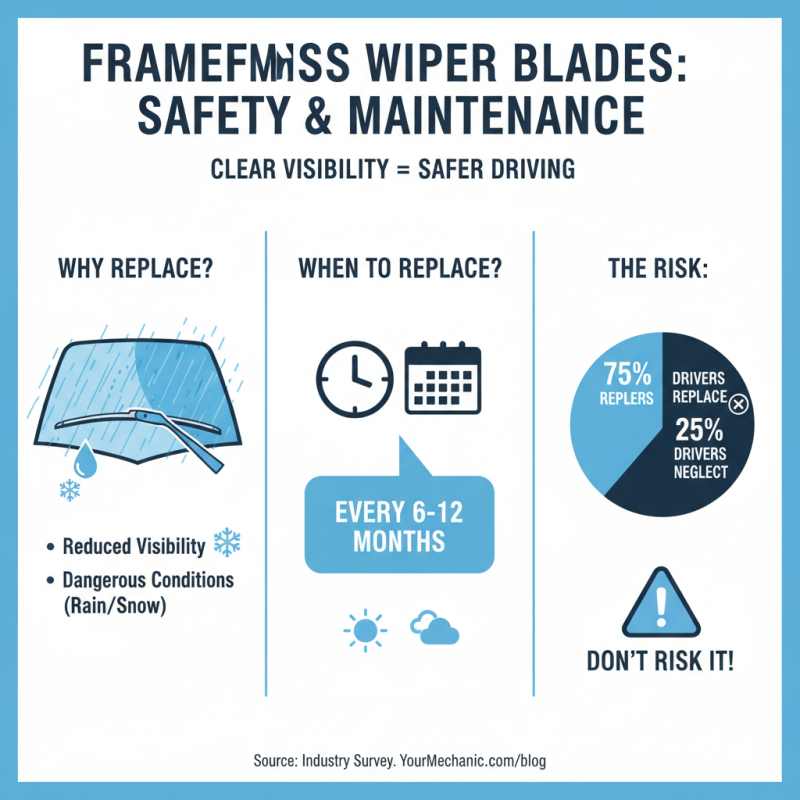
Maintaining frameless wiper blades is crucial for vehicle safety. Many experts recommend replacing wiper blades every six to twelve months. According to a recent industry survey, about 25% of drivers neglect this essential maintenance. This oversight can lead to reduced visibility. Rain or snow can create dangerous conditions if your wipers are ineffective.
To ensure their longevity, it's important to clean the blades regularly. Dirt and debris can degrade the rubber, leading to streaking. A simple mix of water and vinegar can rejuvenate the blades. However, sometimes even regular maintenance isn’t enough. Wear and tear will occur, especially in harsh climates. Research indicates that extreme temperatures can shorten wiper blade lifespan by as much as 30%. Drivers should be proactive and check for signs of wear.
Replacing frameless wiper blades requires care. Improper installation can compromise their effectiveness. Many struggle with this process and may inadvertently damage the blades or the windshield. A survey found that nearly 40% of users were unsure of the installation steps. It's recommended to consult vehicle manuals or online guides for proper techniques. Ultimately, being diligent about maintenance and replacement can enhance driving safety significantly.