How to Choose Car Wiper Parts for Optimal Performance?
Choosing the right car wiper parts is essential for maintaining optimal performance and ensuring clear visibility during adverse weather conditions. Renowned automotive expert John Williams, an authority in wiper technology, states, "Quality wiper parts can drastically improve driving safety." As drivers, we often overlook the importance of these components.
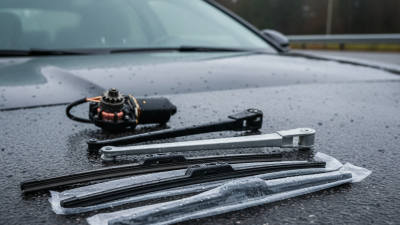
Wipers are not just about the rubber blades; many elements contribute to their effectiveness. From the motor to the arm, each part plays a vital role. The right car wiper parts can enhance performance but can also be a challenge to select. The market is flooded with options, and decisions must be made carefully.
Neglecting to choose the appropriate components might lead to premature wear. This is frustrating and could impact safety on the road. Evaluating the fit, material, and brand reputation is crucial. A well-informed choice can make all the difference in performance and longevity. Let’s delve into the factors that influence your selection of car wiper parts for better driving experiences.

Understanding the Different Types of Car Wiper Parts Available
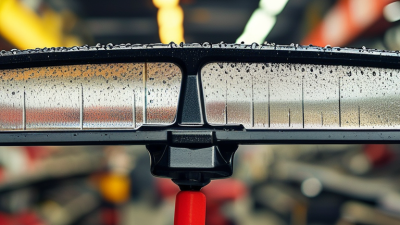
When selecting car wiper parts, understanding the various types available is crucial. Wiper blades are the most visible components. They come in different sizes and materials. Rubber blades offer affordability, while silicone blades provide durability. Each material has its strengths and weaknesses. A quick inspection can reveal whether a replacement is necessary.
Wiper motors are another vital part. They control the movement of the wiper blades. A malfunctioning motor can lead to inconsistent performance. If your wipers are slow or stop working, the motor may need attention. It’s essential to regularly check the motor to ensure optimal functioning.
Tips: Always check your wiper fluid. It can affect the performance of the wipers significantly. Ensure that the arms are not worn or bent. A small misalignment can cause improper wiping. Regular maintenance can save costs in the long run. Remember, investing in quality parts can enhance visibility during adverse weather conditions.
Factors to Consider When Choosing Car Wiper Blades
When selecting car wiper blades, several important factors come into play. The size and fit of the wiper blades must match the specific make and model of your vehicle. According to a report from the Automotive Aftermarket Suppliers Association, improper fit can lead to reduced performance and quicker wear. Additionally, the type of wiper blade material matters. Traditional rubber blades may deteriorate faster, especially in extreme weather conditions.
Material durability is crucial. Some newer blades use silicone or plastic compounds, which can offer longer-lasting performance. A study by the National Highway Traffic Safety Administration highlighted that worn-out blades account for 20% of visibility issues during rainstorms. Choosing high-quality materials can significantly enhance your driving safety.
Tips: Consider environmentally friendly options. Some models use recyclable materials, reducing waste. Always check your wiper blades every six months for signs of damage. Evaluate your local climate; specifically designed blades perform better in high humidity or cold temperatures. If unsure, consult your vehicle's manual for the best recommendations. This pursuit of the right wiper can make a difference, especially in unpredictable weather.
How Weather Conditions Affect Wiper Performance
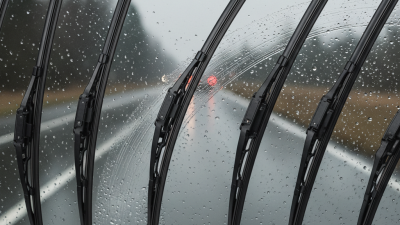
Weather conditions play a crucial role in the performance of car wipers. Heavy rain can reduce visibility drastically. In such situations, wipers must work harder to keep the windshield clear. It's important to have the right blade material. For instance, rubber blades are effective for light rain, but premium materials can provide better results under severe conditions.
Cold weather presents another challenge. Ice and snow can damage wiper blades and reduce their effectiveness. A driver may find that their wipers simply can't keep up with the harsh elements. Regular inspection and timely replacement of blades can help maintain optimal performance. Additionally, ensuring the windshield is free from ice will enhance wipers' functionality.
Lastly, different climates can impact wiper needs. Humid areas may require frequent replacements due to wear. On the other hand, extremely dry conditions can lead to cracks in the blades. Understanding regional weather patterns can help drivers make informed decisions about their wiper parts. Always adapt to the local climate for best results.
How Weather Conditions Affect Wiper Performance
Maintenance Tips for Prolonging Wiper Life
To prolong the life of your car wipers, regular maintenance is crucial. Cleaning the wiper blades can significantly enhance their effectiveness. Use a mild soap solution and a soft cloth to remove dirt and grime. Even small debris can hinder performance. Watching for visible wear is necessary. If you notice cracks or tears, replacement may be needed sooner than expected.
Inspecting the windshield is also important. Avoiding dirt buildup will reduce strain on the wipers. Applying a windshield treatment can repel water and minimize the need for heavy wiping. Check the wiper arms regularly too. Ensure they maintain proper tension against the windshield. Loose or bent arms can cause uneven wiping and lead to premature blade wear.
Storing your vehicle in a garage can protect the wipers from extreme weather. Sun damage can cause the rubber to deteriorate quickly. However, it's not only about protection. Consider the wiper type and compatibility with your car. Selecting the right parts can prevent unnecessary replacements. If you're uncertain about your specific needs, consult a professional. They can provide guidance based on your vehicle’s requirements.
How to Choose Car Wiper Parts for Optimal Performance? - Maintenance Tips for Prolonging Wiper Life
| Wiper Blade Type |
Material |
Average Lifespan |
Optimal Conditions |
Maintenance Tips |
| Conventional Wipers |
Rubber |
6-12 months |
Regular rain, mild temperatures |
Clean wiper blades monthly and check for cracks |
| Beam Wipers |
Silicone |
12-24 months |
All weather conditions |
Avoid using on dry glass and inspect for residue build-up |
| Hybrid Wipers |
Rubber & Plastic |
12-18 months |
Mild to moderate weather |
Regularly clean and replace if streaking occurs |
| Winter Wipers |
Rubber with protective coating |
6-12 months |
Snow and ice conditions |
Clear ice and snow from blades before use |
Signs It’s Time to Replace Your Car Wiper Parts
When it comes to vehicle safety, functioning wiper parts are crucial. One clear sign that it’s time for a replacement is if the wipers leave streaks on your windshield. A 2020 report from the American Automobile Association (AAA) revealed that nearly 30% of drivers ignore windshield maintenance. This can impair visibility, especially during rain or snow.
Another indication for replacement is when the rubber edges are frayed. According to a study by the Institute of Advanced Motorists, worn wiper blades can reduce visibility by up to 90%. If you notice skipping or squeaking sounds, these are alarming signs. Your wiper blades should glide smoothly across the glass without effort.
Tips to consider include regularly checking your wipers every six months. Clean the blades with a soft cloth to remove dirt, which can contribute to wear. Remember, visibility is paramount while driving. If your wipers are failing, don't hesitate to replace them. Ignoring the signs can lead to dangerous situations on the road.