How to Choose the Best Flat Wiper for Your Vehicle?
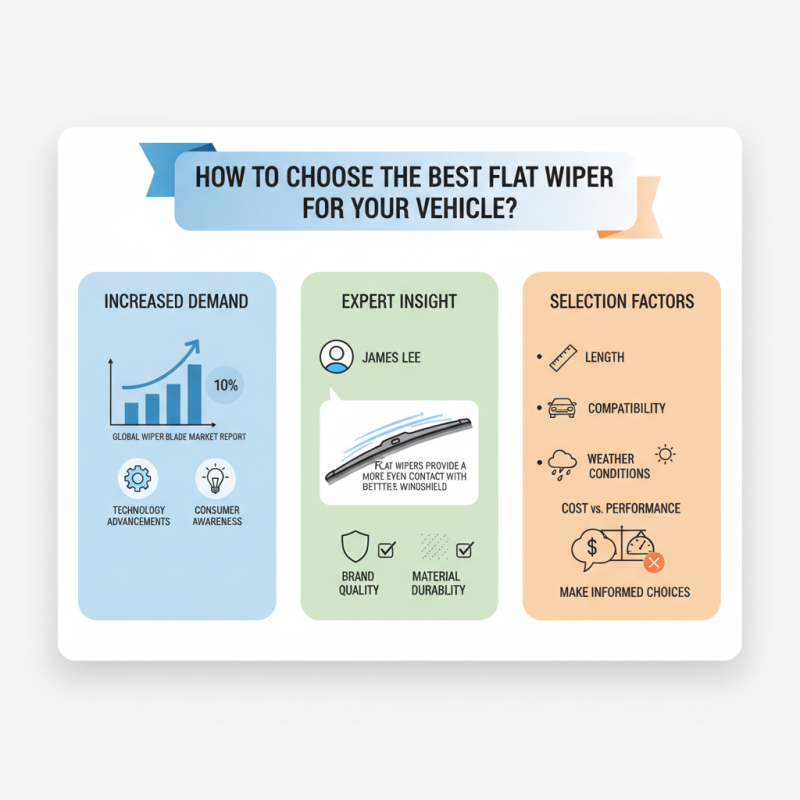
Choosing the right Flat Wiper for your vehicle is crucial for optimal visibility in bad weather. According to the Global Wiper Blade Market report, the demand for flat wipers has increased by 10% over the past year. This surge is driven by advancements in wiper technology and increased consumer awareness.
Industry expert James Lee notes, "Flat Wipers provide a more even contact with the windshield, ensuring better performance." His insights highlight the need for careful selection. Flat wipers are designed to hug the glass closely, which enhances their efficiency. Yet, many consumers overlook the importance of brand quality and material durability.
When selecting a Flat Wiper, consider factors like length, compatibility, and weather conditions. The right choice can dramatically improve your driving experience. However, some drivers still choose cost over quality, risking inadequate visibility. It’s essential to balance cost and performance when making this decision. Though choices abound, not every option will meet your expectations. Reflecting on this can lead to better choices.
Factors to Consider When Choosing Flat Wipers for Your Vehicle
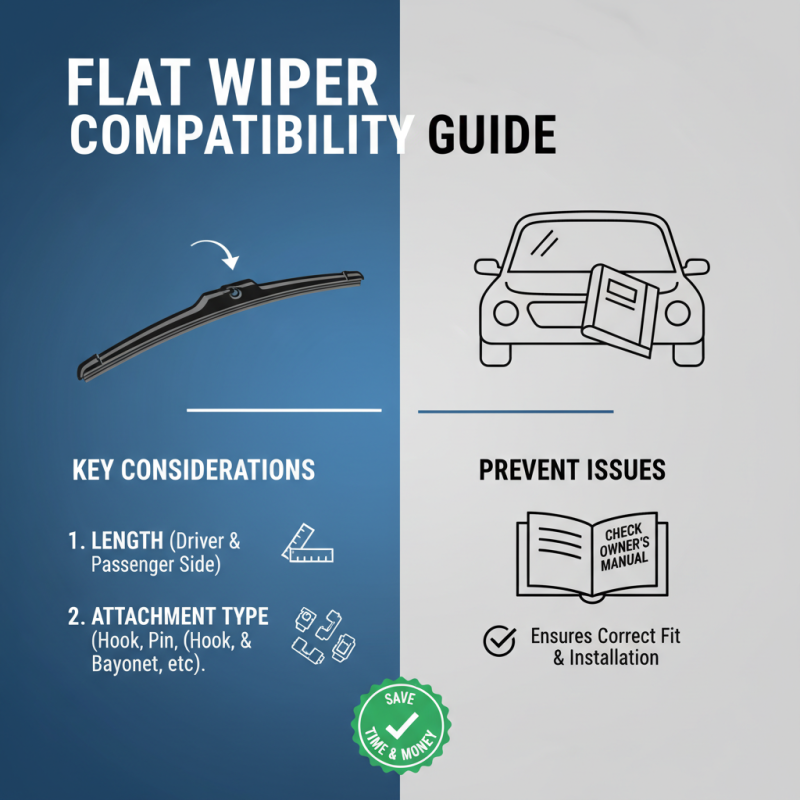
When selecting flat wipers for your vehicle, several key factors come into play. The size of the wiper blades is crucial. Different vehicles require specific lengths for optimal performance. Check your owner's manual to ensure a proper fit. Additionally, consider the mounting type. Some wipers use a hook or a pin. Make sure you choose a wiper compatible with your system.
The material of the blades also influences performance. Rubber blades are common and typically provide a smooth wipe. However, synthetic options may offer better durability and resistance to wear. The climate in your area matters as well. If you live in regions with harsh weather, invest in higher-quality blades that can withstand extreme temperatures. Wipers should be effective in rain, snow, or even intense sunlight.
Another aspect to consider is the ease of installation. Some wipers come with a user's manual, making the process straightforward. Others might be less intuitive, leading to frustration. Take the time to read reviews. They can highlight both the successes and failings of specific models. Not all flat wipers will perform well under every condition, so check customer feedback carefully.
Understanding Different Types of Flat Wipers Available on the Market
When it comes to flat wipers, understanding the types available is crucial for optimal performance. Flat wipers come in several styles. The most common are beam wipers, which offer consistent contact with the windshield. According to a recent industry report, approximately 65% of new vehicles come equipped with beam wipers. This design enhances visibility during rain, making them a popular choice among drivers.
Another option is hybrid wipers, which combine features of traditional and flat wipers. They provide structural support and flexible performance. This type of wiper gained traction, accounting for nearly 20% of wiper sales in the last year. While they are effective, they may not fit all vehicle models perfectly. Drivers must ensure compatibility with their specific make.
Moreover, performance metrics can greatly differ. Some flat wipers handle extreme weather better than others. An estimated 30% of consumers report dissatisfaction due to streaking issues. Selecting the right type may require a bit of trial and error. Drivers should assess their local climate and driving conditions. Ultimately, the right wiper can make a significant difference in safety and comfort on the road.
Comparison of Different Types of Flat Wipers
How to Measure Your Wiper Blades for Proper Fit
Measuring your wiper blades is key to finding the right fit. Start by determining the length of your current blades. Use a tape measure to get an accurate reading. Make sure to measure from one end of the blade to the other, not including the arm. This determines the size for replacements.
When measuring, it's important to check both sides. Blades on the driver's side may differ from those on the passenger's side. Take note of this difference. Sometimes, the rear wiper also varies in size. Keep a record of your measurements for easy reference. You don’t want to end up with the wrong size again.
**Tip:** If you have doubts about the size, ask for help. Many automotive stores offer assistance in choosing the correct blades.
Consider also the type of wiper blade. Traditional blades are simple, while beam blades offer enhanced performance. Choosing the best option depends on your driving conditions. Rain, snow, and ice all call for different features.
**Tip:** Regularly inspect your current wiper blades. Over time, they may wear out. If they leave streaks or miss spots, it’s likely time for a change.
Maintenance Tips to Extend the Life of Your Flat Wipers
Maintaining your flat wipers is essential for ensuring safety. Regular maintenance can extend their lifespan significantly. Research indicates that consistent care can increase the durability of flat wipers by up to 30%. This is critical, especially in regions with harsh weather conditions.
To extend the life of your wipers, clean them frequently. Use a soft cloth and warm water to remove dirt and debris. This simple action can prevent streaking and improve visibility. Consider applying a silicone spray to the blades every few months. This helps them glide smoothly across your windshield.
It's also important to replace worn wipers promptly. Experts suggest that if you notice any skipping or squeaking, it's time for a change. Ignoring these signs typically leads to reduced performance. In fact, nearly 40% of drivers neglect to replace their wipers, risking safety on the road. Regular checks can save you from unexpected issues. Just remember, maintaining wiper functionality is a small task that yields significant returns.