How to Choose the Best Wiper Blades for Your Vehicle?
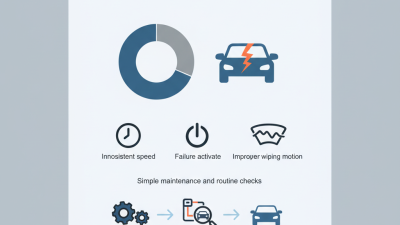
Choosing the right wiper blades for your vehicle is essential for safe driving. According to a recent industry report, nearly 30% of accidents occur due to poor visibility in adverse weather conditions. Wiper blades play a critical role in maintaining clear visibility. When choosing wiper blades, consider factors such as size, material, and performance features. Brands often offer various options, but not all are effective in every climate.
In the past, many consumers overlooked the importance of wiper blade maintenance. A study found that about 60% of drivers wait too long to replace old blades. This can lead to streaks and a higher risk of accidents. Inadequate wiper quality can diminish a driver’s ability to react to hazards on the road.
It’s essential to stay informed. Some wiper blades may promise exceptional performance but fail in real-world conditions. Selecting the best option requires understanding product specifications and seasonal adjustments. Quality can vary significantly across brands, making research vital. Investing in the right wiper blades is an investment in safety.
Factors to Consider When Choosing Wiper Blades
Choosing the right wiper blades is crucial for safety. Several factors will influence your selection. The size of your wiper blades is the most important. Typically, most vehicles require blades between 14 to 30 inches. Check your owner's manual for specifics.
Material also matters. Rubber blades offer a quiet wipe but may not last long. Silicone tends to be more durable but can be pricier. Data shows that quality wiper blades can last up to 12 months, depending on usage and exposure to elements. Consider the climate. For instance, areas with heavy rain may benefit from premium blades designed for better water dispersion.
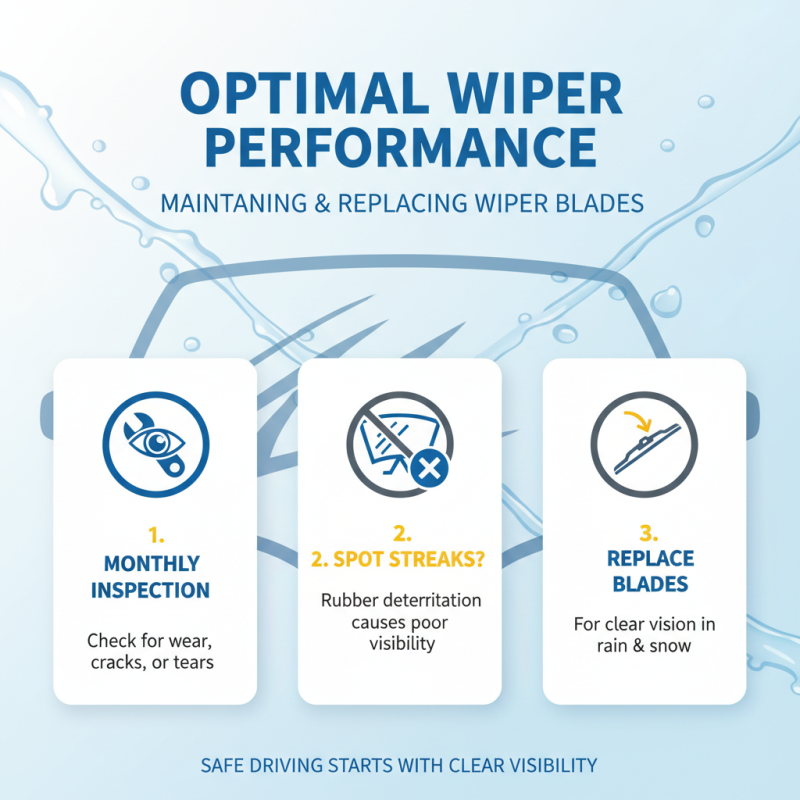
Tip: Regularly inspect your wiper blades for wear. If you notice streaks or skipping, it may be time for a replacement. Remember, keeping your windshield clean helps wiper blades perform better.
Another factor is the blade style. Traditional frames provide flexibility but can wear out faster. Beam blades offer advanced performance, especially at high speeds. They contour to your windshield, ensuring a close fit. Yet, they may be less effective in extreme cold.
Tip: Replace wiper blades every six months for optimal performance. Don't let poor visibility compromise your safety while driving.
Wiper Blade Performance Comparison
Types of Wiper Blades and Their Benefits
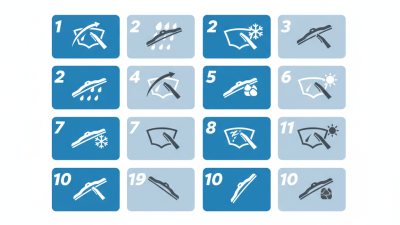
When choosing wiper blades, understand the types available and their unique benefits. Conventional blades are the most common. They have a simple structure and are effective in light rain. Their cost is lower, but they may not perform well in heavy downpours.
Beam blades offer a sleek design. They hug the windshield better and provide improved visibility. This is crucial during storms or when driving at night. Their longevity is a big plus, although they can be pricier.
Hybrid blades combine features of both beam and conventional types. They tend to resist wear and handle varying weather conditions well. However, choosing the best one can be tricky without proper knowledge.
Tip: Check your vehicle’s manual for recommended sizes. Not all blades fit every car perfectly.
Remember, the right wiper blades enhance safety significantly. Neglecting them can lead to reduced visibility.
Tip: Inspect your wipers regularly. Ensure they are free from debris and not cracked. Replace them if they streak or skip.
How to Choose the Best Wiper Blades for Your Vehicle? - Types of Wiper Blades and Their Benefits
| Type of Wiper Blade |
Material |
Lifespan |
Benefits |
| Conventional Wiper Blades |
Rubber |
6-12 months |
Affordable, easy to replace |
| Beam Wiper Blades |
Silicone or rubber |
12-24 months |
Aerodynamic design, better visibility |
| Hybrid Wiper Blades |
Rubber with a plastic frame |
12-24 months |
Combines best features of conventional and beam blades |
| Winter Wiper Blades |
Rubber with a protective boot |
6-12 months |
Designed for snow and ice, prevents clogging |
How to Measure Wiper Blade Size for Your Vehicle
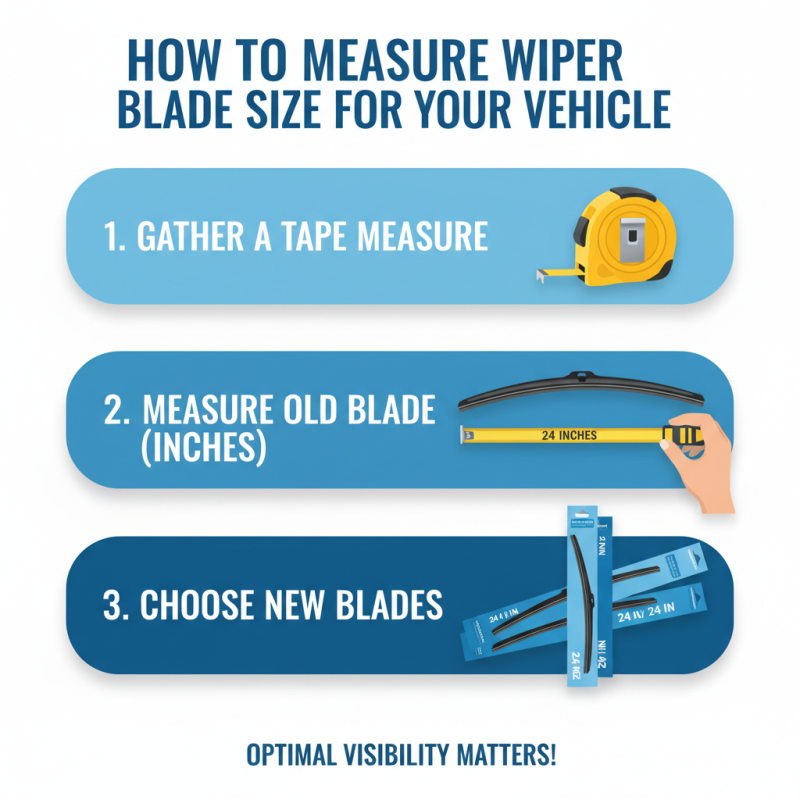
Measuring the size of wiper blades is crucial for optimal visibility. Accurate measurements make a difference. Most wiper blades are sized in inches. To begin, gather a tape measure. You can buy a tape measure or use one from your toolbox.
Start by lifting the wiper arm away from the windshield. Carefully measure the length of the blade from end to end. Remember, the length should include the entire blade, including the connector part. If your wiper blades are not easily accessible, use a ruler for a more precise measurement. Don't forget to note the sizes of both driver and passenger blades, as they might differ.
If you're unsure about the size, you can always check your vehicle's manual. Some manuals provide specific dimensions for the wiper blades. It’s easy to overlook, but often helpful. Always aim for accuracy; fitting the wrong size can lead to poor performance. Ask yourself, could I have measured that better? Retry if needed. This small step can greatly enhance your driving experience, especially during bad weather.
Understanding Wiper Blade Compatibility with Your Car Model
Choosing wiper blades for your vehicle can be tricky, especially with the vast options available. Every car model has its unique specifications, and not all blades fit all vehicles. It's essential to check your owner’s manual for recommendations on compatible sizes. Many people overlook this step, leading to poor visibility during rain or snow.
Before buying wiper blades, measure your existing ones carefully. Blade lengths vary, and using incorrect sizes may reduce their effectiveness. Some drivers might feel tempted to choose a generic solution, but this can compromise safety. Always ensure that you are getting a proper fit for your car model.
It's also beneficial to consider the different types of wiper blades. Some are designed for optimal performance in extreme weather conditions. These might have features that standard blades lack. A little research can prevent future frustration. A mismatch could lead to skipping or streaking, especially during heavy rain. Take your time to ensure you make an informed decision for your vehicle’s needs.