How to Choose the Best Metal Wiper Blade for Your Vehicle?
When it comes to maintaining vehicle safety, selecting the right Metal Wiper Blade is crucial. According to industry expert Mark Johnson, "Choosing the best wiper blade is the key to clear vision." Metal wiper blades, known for their durability, often outperform standard options in extreme weather conditions. They provide better flexibility and longevity, essential for effective clearing.
Many vehicle owners overlook the importance of quality wiper blades. However, the performance of your Metal Wiper Blade can directly impact your visibility during rain or snow. A worn-out blade may leave streaks, compromising safety. Interestingly, some drivers might stick to their old blades, thinking it’s a minor issue. This is a common oversight that could lead to dangerous situations.
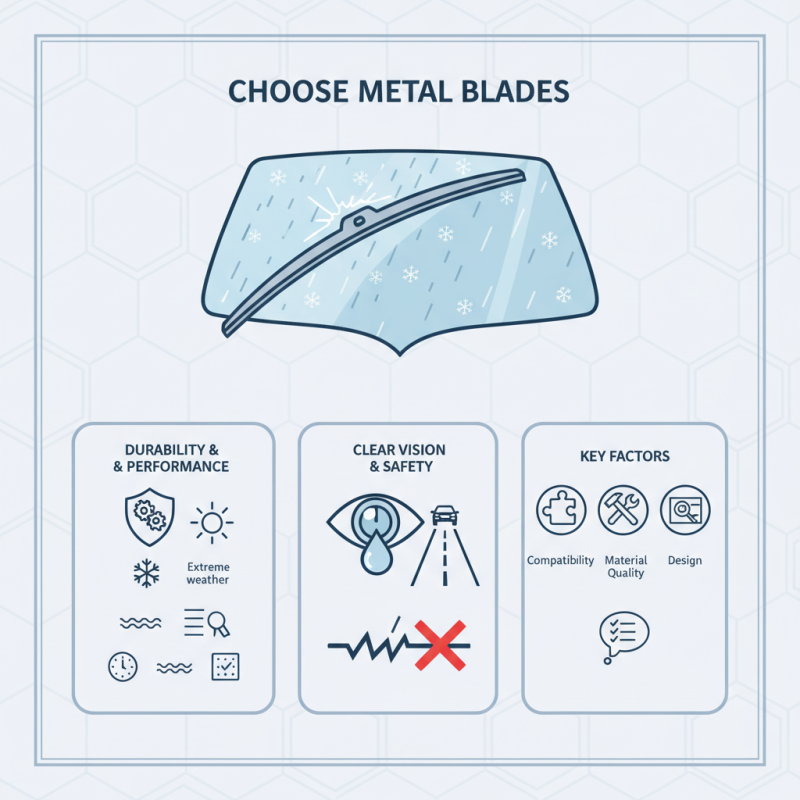
When considering a Metal Wiper Blade, evaluate factors like compatibility, material quality, and design. Not all blades are created equal. Each vehicle has specific requirements for optimal performance. Reflecting on your choices can enhance not only your driving experience but also your safety on the road. Choosing wisely is more than just a simple task; it requires careful thought and attention to detail.
Understanding Metal Wiper Blades: Features and Benefits
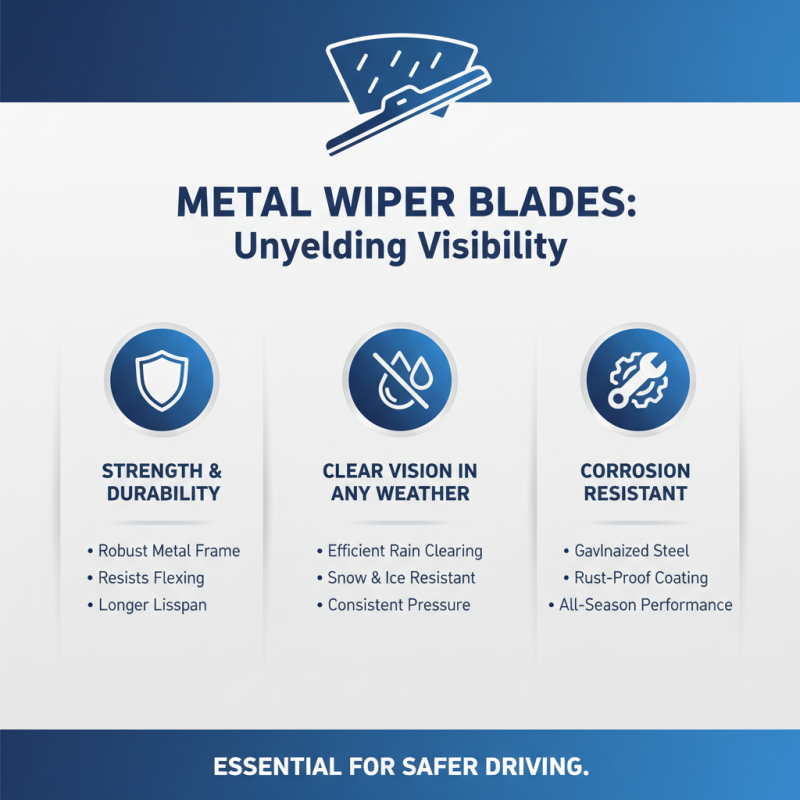
Metal wiper blades are essential for maintaining visibility during inclement weather. They are known for their strength and durability. These blades typically feature a metal frame, which offers robustness compared to plastic counterparts. This metal construction helps resist rust and corrosion, ensuring a longer lifespan.
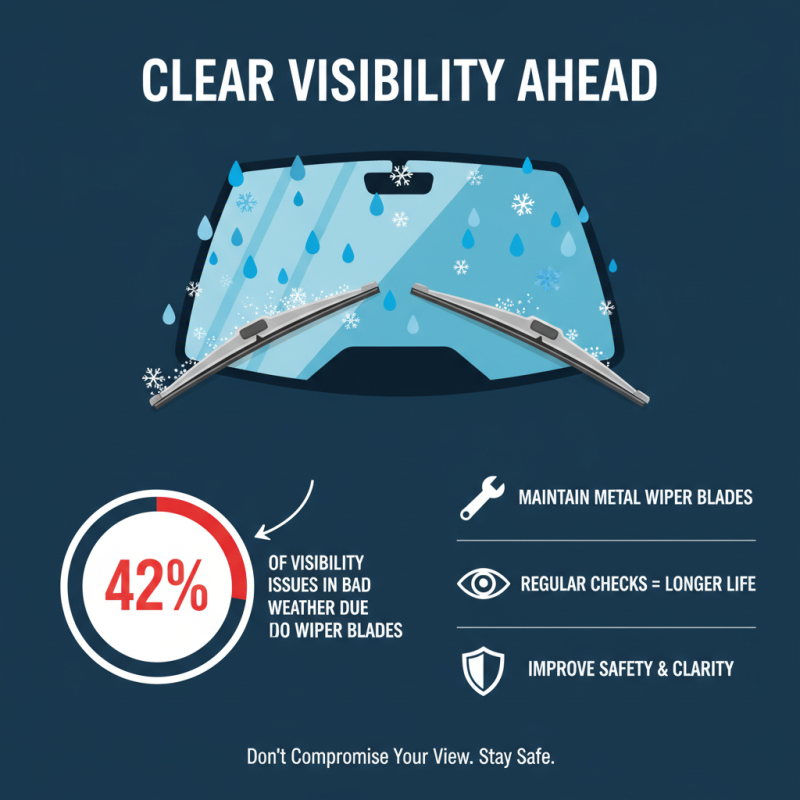
One major benefit of metal wiper blades is their performance. They provide even pressure across the windshield. This improves cleaning efficiency, eliminating streaks and smudges. It's important to note that not all metal blades fit all vehicles. A poor fit can lead to ineffective wiping. Users should regularly check their blades for wear.
Some metal blades are designed with aerodynamic features. These can reduce wind lift at high speeds. However, not every model achieves this perfectly. Some may cause noise or vibration at certain speeds. Understanding these features can guide your choice of blades. Consider your specific driving conditions and needs carefully.
Key Factors to Consider When Choosing Metal Wiper Blades
When choosing metal wiper blades, several key factors can greatly influence your decision. One crucial aspect is the material quality. Stainless steel is often preferred due to its resistance to corrosion. According to a recent industry report, high-quality stainless steel blades can last up to 50% longer than standard blades in harsh weather conditions.
Another consideration is the wiper blade design. Aerodynamic designs reduce wind lift, ensuring better contact with the windshield. A study indicates that blades with such designs improve wiping efficiency by 30% during high-speed driving. Additionally, ensure compatibility with your vehicle’s specifications. Mismatched sizes can lead to poor performance and potential damage. Pay attention to installation ease; complex setups can lead to frustration and improper use.
Finally, evaluate the maintenance needs of the wiper blades. Some models require regular adjustment and care. It’s worth considering how much effort you are willing to invest. Choosing the best metal wiper blade involves weighing multiple factors. Balancing quality, design, compatibility, and maintenance can be a challenging process. A wrong choice might hamper visibility during crucial moments.
How to Choose the Best Metal Wiper Blade for Your Vehicle? - Key Factors to Consider When Choosing Metal Wiper Blades
| Factor |
Description |
Importance |
| Material Quality |
Choose wiper blades made of high-quality metals such as stainless steel for durability. |
High |
| Blade Length |
Ensure the blades match the specified length for your vehicle to ensure effective coverage. |
High |
| Aerodynamics |
Select blades designed to reduce wind lift and increase contact with the windshield. |
Medium |
| Ease of Installation |
Look for wiper blades that offer simple installation without the need for special tools. |
Medium |
| Weather Compatibility |
Consider blades that are tested for extreme weather conditions such as rain, snow, and ice. |
High |
| Price |
Assess the price range to ensure you find a balance between cost and quality. |
Medium |
Comparing Metal Wiper Blades: Materials and Construction
When choosing a metal wiper blade, construction and materials are key factors. Metal blades typically use stainless steel or a similar alloy. This not only ensures durability but also enhances resistance to corrosion. According to industry reports, wiper blades made from these materials can last up to 40% longer than plastic counterparts. However, the trade-off can be weight. Heavier blades might put more strain on the wiper motor.
The blade's design also influences its performance. A well-designed metal wiper should have a balanced frame. This helps distribute pressure evenly across the windshield. A study found that uneven pressure can lead to streaks, reducing visibility by up to 25%. Additionally, users often overlook the importance of a rubber wiping element. High-quality rubber ensures silent operation and effective water removal. Cheaper alternatives may wear out quickly. This could leave drivers with ineffective blades, especially in harsh weather.
Choosing a metal wiper blade involves weighing these factors. Is durability worth the extra weight? How much does performance drop with a lower-quality rubber? These are questions worth considering. The ideal combination of material and design can make a significant difference in visibility and safety while driving.
Installation Tips for Metal Wiper Blades on Your Vehicle
When you decide to install metal wiper blades, it can feel daunting. Ensure you have the right tools. A flathead screwdriver or a small wrench is often needed. Removing the old wiper blades is the initial step. This usually involves lifting the wiper arm away from the windshield. Then, press the release tab on the wiper blade to detach it. It’s simple, but some might struggle with the tab mechanism. A little patience goes a long way here.
After removing, align the new metal wiper blade according to the manufacturer’s guide. It should match the hook shape of the wiper arm. Insert the blade until you hear a click, indicating a proper fit. Ensure it’s secure; a weak attachment can lead to performance issues. Don’t rush this part. Testing the wiper after installation is crucial. Turn on the vehicle’s wipers to check their operation. If they stick or skip, revisit the installation. This step is essential to ensure safety during rainy conditions. Remember, even minor mistakes might affect visibility.
Comparison of Different Types of Wiper Blades