Leave Your Message

2026 Best Flat Wiper Blades for Global Buyers

Rain changes the job. A windshield that looks clear in a parked vehicle can turn opaque within seconds when road spray, dust, or heavy rain hits the glass. For global buyers, choosing a Flat Wiper Blade is therefore more than a styling decision; it affects visibility, fit, noise, and replacement planning across varied climates.

The U.S. Federal Highway Administration’s Road Weather Management Program estimates that weather contributes to about 1.2 million vehicle crashes each year. This figure covers many conditions and does not mean wiper blades alone prevent crashes. It does show why reliable windshield clearing deserves attention. Buyers should compare wiping performance, pressure distribution, connector compatibility, rubber durability, and resistance to temperature changes—not just price or claimed service life.

A flat blade’s low-profile frame can help maintain even contact across curved glass, while its integrated spoiler may support stability at speed. Results still depend on vehicle geometry, installation, and local weather. Fitment is messy. A connector that appears suitable may not lock securely, and performance on a test vehicle may not transfer to every model. For procurement teams, fleet operators, and distributors, this guide examines the best options for 2026 with practical criteria: verified vehicle coverage, material quality, clear product documentation, and dependable supply. Where evidence is limited, that limitation matters too. The right choice is the one that clears consistently on the buyer’s actual vehicle, not simply the one with the strongest marketing claim.
2026 Best Flat Wiper Blades for Global Buyers

What Flat Wiper Blades Are and How They Differ from Conventional Designs

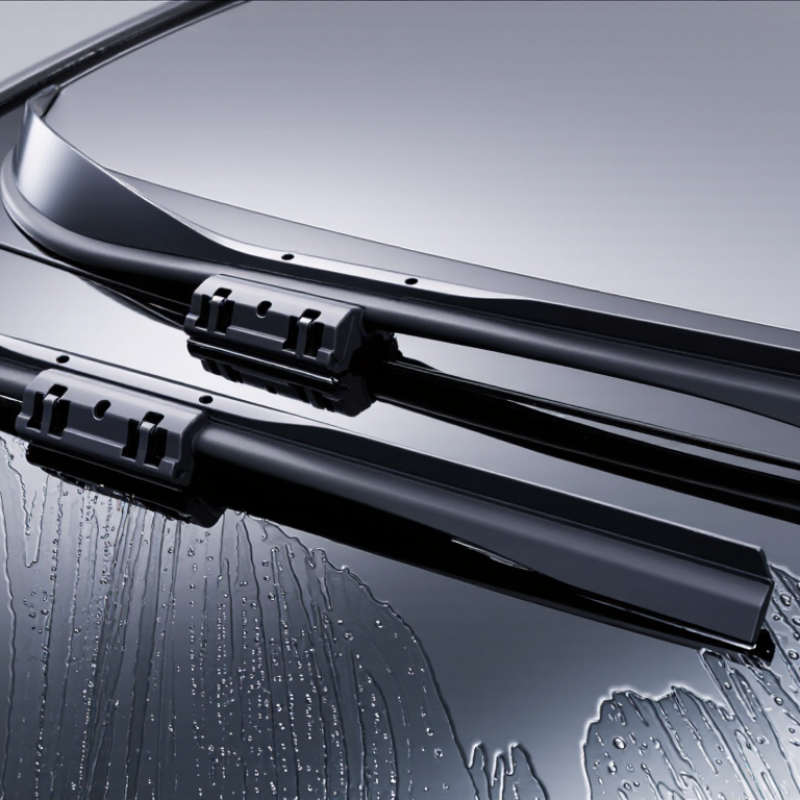
Flat wiper blades use a flexible beam instead of a traditional metal frame with several pivoting joints. A curved spring strip presses the rubber edge against the windshield. The design looks low-profile, with fewer exposed parts to catch snow or road grit. Less hardware is visible.

Conventional blades rely on a framed structure to spread pressure across the glass. Their joints can help the blade follow windshield contours, but dirt or ice may collect around them. Flat designs distribute pressure along the beam, which can support steadier contact on many modern windshields. They may also reduce wind lift at higher speeds. Not always. Windshield shape, blade length, and installation still affect performance.

Tips: Check your vehicle’s specified blade length and connector type before buying. After fitting, run the washers and inspect the wipe pattern from the driver’s seat. Look for missed arcs, chatter, or streaks near the edges. A sleek profile alone does not guarantee a better wipe; rubber condition and correct pressure matter, too. A small detail can be easy to overlook.


How Flat Wiper Blades Maintain Contact Across the Windshield

A flat wiper blade uses a flexible spring-steel spine to spread pressure along the rubber edge. As it crosses a curved windshield, the spine bends to follow the glass rather than relying on several exposed hinged sections. The result should be more even contact, especially near the outer edges. Not automatic. Worn rubber, weak wiper-arm pressure, or oily glass can still leave narrow water trails. On a rainy drive, inspect the sweep from the driver’s seat: look for missed arcs, chatter, and streaks under streetlights.

The Federal Highway Administration’s Road Weather Management program reports that about 70% of weather-related crashes occur on wet pavement, and 46% occur during rainfall. These figures describe crash conditions, not wiper failures, but they show why clear vision matters. A flat blade’s profile can also help limit wind lift at speed, though actual performance depends on blade design, fit, and vehicle geometry. Buyers should check the correct length and connector, then test the full sweep after installation. Small gaps can be easy to miss. Even a new blade may not sit evenly on a windshield with unusual curvature or contamination.

2026 Best Flat Wiper Blades for Global Buyers - How Flat Wiper Blades Maintain Contact Across the Windshield

Selection Factor Typical Flat-Blade Design or Range How It Affects Windshield Contact What Global Buyers Should Check
Beam structure A frameless beam blade uses a flexible spring element rather than multiple exposed hinged frames. The curved beam applies distributed pressure along the wiping edge and can follow the windshield’s curvature. Confirm the blade shape and pressure distribution are suitable for the specific vehicle and windshield.
Windshield curvature Windshields differ in curvature, rake angle, and surface profile; there is no single universal beam curve. A blade with a compatible curve is more likely to maintain contact from the center toward the ends. Use the vehicle application guide or original-equipment fitment information rather than length alone.
Blade length Passenger-car blades commonly fall within roughly 14–28 inches (about 350–700 mm), but actual sizes vary by position and vehicle. The correct length provides the intended sweep without striking the bodywork, overlapping improperly, or leaving excessive unwiped areas. Check the driver-side and passenger-side lengths separately, plus any rear-blade requirement.
Spring element Many beam blades use a pre-curved spring-steel strip or a comparable flexible support element. Its stored curvature helps press the wiping edge against the glass at multiple points along the blade. Look for a design specified for the vehicle’s windshield profile; material and construction details vary by product.
Rubber wiping edge Wiping elements are commonly made from rubber compounds; some have surface coatings intended to reduce friction or wear. A clean, flexible edge conforms to the glass and helps clear water evenly. Hardened, damaged, or contaminated rubber can streak or skip. Check replacement availability, stated material details, and the recommended inspection or replacement guidance.
Aerodynamic cover or spoiler Many flat blades have a low-profile outer cover; some include an integrated spoiler shaped to manage airflow. Airflow can influence blade lift at road speed. A spoiler may help resist lift, but results depend on blade design, speed, and vehicle airflow. Do not treat a spoiler as a substitute for correct fitment or as a guarantee of quiet, streak-free wiping.
Connector compatibility Vehicle arms may use different attachment systems, including hook, pin, bayonet, or proprietary-style connections. A secure, correctly seated connector keeps the blade aligned with the arm so pressure reaches the wiping edge as intended. Verify the exact arm type and included adapter before purchase; not every adapter fits every arm.
Cold-weather operation Flat blades generally have a low-profile structure with fewer exposed frame joints than conventional framed blades. Fewer exposed joints can reduce places where snow or ice may collect, but ice can still build up on the blade and windshield. For freezing climates, check the manufacturer’s temperature guidance and inspect for ice buildup before operation.
Heat, sunlight, and storage Rubber performance changes with age and exposure; climate, use, and parking conditions affect service life. Heat, ultraviolet exposure, dirt, and prolonged contact with a dry or contaminated windshield can contribute to wear and uneven contact. Inspect regularly for cracks, splits, hardening, or streaking; replacement timing depends on local conditions and use.
Speed and operating conditions Contact at speed depends on the blade, arm spring force, vehicle airflow, windshield shape, and blade condition. These factors work together to keep the wiping edge on the glass; a blade alone cannot correct a weak arm spring or damaged windshield. Choose a vehicle-compatible blade and check the wiper arm, washer system, and glass if contact or wiping remains poor.
Buyer fitment checklist Match vehicle make, model, year, wiper position, blade length, connector, and any vehicle-specific fitment notes. Accurate fitment helps preserve the intended sweep, alignment, and pressure across the windshield. Confirm fitment in a current application catalog and follow the installation instructions supplied with the blade.

Note: Specifications and performance vary by vehicle and product. Length ranges are general examples, not universal fitment recommendations.

Key Factors for Evaluating Flat Wiper Blades in 2026

2026 Best Flat Wiper Blades for Global Buyers

Key Factors for Evaluating Flat Wiper Blades in 2026

When comparing flat wiper blades, check the exact length and connector required for each vehicle. A blade that fits the arm may still sit poorly against a curved windshield. Review the vehicle manual and supplier fitment data before ordering. Small details matter. In global purchasing, packaging should clearly identify blade length, connector type, and included adapters. This reduces installation errors across mixed vehicle fleets.

Assess wiping quality across dry dust, light rain, and heavier water flow. Look for even contact, clean reversals, and minimal chatter during practical testing. Rubber compounds can respond differently to heat, cold, and sunlight, so consider the destination climate. A low-profile design may reduce wind lift, but shape alone does not prove performance. Ask for documented test conditions, service-life guidance, and material specifications. One factor is easy to overlook: a blade can perform well in a sample test yet vary between production batches.

How Climate and Vehicle Fit Affect Global Buyers’ Choices

Climate should shape flat wiper blade choices, but average conditions can hide difficult extremes. The World Meteorological Organization’s State of the Global Climate 2024 report estimated that 2024 was 1.55°C above the 1850–1900 average. That figure does not predict local rain or snow. Buyers should check regional seasonal data, then consider heat, freezing nights, dust, and frequent showers. In hot, sunny regions, prolonged exposure can harden rubber; in cold areas, ice may strain the blade and arm. Wet roads matter, too. A clear windshield is essential.

Vehicle fit is just as specific. S&P Global Mobility reported that the average age of U.S. light vehicles reached 12.6 years in 2024. Older vehicles can make exact fitment checks especially important, though that U.S. figure is not a global fleet average. Match blade length, connector type, and arm design to the vehicle’s handbook or a reliable fitment catalogue. A blade that clips on may still sit poorly against the glass. Check the driver and passenger sides separately. Small details matter. Replacement intervals also vary with parking exposure and use. Climate guides the material choice; verified fit protects contact across the windshield. That distinction is easy to overlook.

2026 Best Flat Wiper Blades for Global Buyers

How climate and vehicle fit affect global buyers’ choices

Annual rainfall offers a useful comparison of wet-weather exposure: buyers in wetter locations may place greater value on consistent wiping performance. Climate is only one consideration—check the vehicle’s exact blade lengths, connector type, and fitment guidance before purchasing.

Approximate annual precipitation, rounded to the nearest millimetre. Representative climate-normal figures from official meteorological records; station and reference periods vary, so local conditions may differ.

Comparing Flat Wiper Blade Types for Different Driving Conditions

2026 Best Flat Wiper Blades for Global Buyers
Comparing Flat Wiper Blade Types for Different Driving Conditions

Wiper choice depends on weather, windshield shape, and how often the vehicle faces rough conditions. Flat beam blades use a flexible spine instead of an exposed metal frame. They can sit closely against curved glass and offer even contact during steady rain. Their low profile may also reduce wind lift at highway speeds. But heavy, sticky snow can still build up along the blade edge.

Conventional framed blades have multiple pressure points and are often familiar, but exposed joints may collect ice or debris. Hybrid designs add a protective shell around a framed structure, balancing coverage with a more enclosed shape. In regions with frequent freezing rain, a winter-specific blade may be worth considering. No design is immune to ice.

The Federal Highway Administration’s Road Weather Management data attributes about 70% of weather-related crashes to wet pavement, with 46% occurring during rainfall. These figures underline the value of clear visibility, not a guarantee that one blade type prevents crashes. Check adapter compatibility and windshield curvature before buying; fit varies across vehicle models. That detail is easy to overlook. Inspect the rubber edge regularly, too. Even a well-matched blade can chatter when worn, and replacing it too early is not always necessary.