Leave Your Message

What Is the 2026 Best Soft Wiper Blade for Global Buyers?

Choosing the 2026 best Soft Wiper Blade requires more than comparing prices or counting review stars. Buyers need clear visibility, stable pressure, quiet movement, and dependable performance across rain, dust, heat, and freezing weather. A blade may look flexible in a product photograph, yet leave narrow water films on real glass.

Market data shows why this category deserves closer attention. Grand View Research reports continued growth in the global automotive wiper market, supported by rising vehicle ownership, replacement demand, and stricter expectations for driving safety. Fortune Business Insights also projects steady market expansion through the next decade. However, these reports often combine conventional, hybrid, and flat blades. Their figures cannot identify the best Soft Wiper Blade by themselves. That limitation matters.

John Ibbotson, Consumer Reports’ chief mechanic, has stated, “Wiper blades are a safety feature, not just a convenience.” His point remains practical. A good blade should clear a full sweep without chatter, skipped sections, or distracting streaks. Small details count. Rubber formulation, spoiler design, frame pressure, connector accuracy, and climate resistance can change the result.

Global buyers also face uneven road conditions and different windshield sizes. A blade performing well in mild European rain may struggle under tropical dust or winter ice. No single model wins everywhere. This guide compares the 2026 options through measurable performance, fit, durability, user experience, and supplier reliability. Some conclusions may change as new testing appears. That is worth admitting. A careful buying decision should leave room for evidence, not marketing language alone.
What Is the 2026 Best Soft Wiper Blade for Global Buyers?

What Makes a Soft Wiper Blade Suitable for Global Buyers in 2026?

A suitable soft wiper blade for global buyers must handle more than light rain. OICA recorded 92.5 million vehicles produced worldwide in 2024. That figure reflects highly varied climates, road surfaces, and replacement needs. A flexible rubber edge can follow curved glass more closely. It also reduces chatter during slow, damp wiping. However, soft rubber may wear faster under intense ultraviolet exposure, desert dust, or heavy frost.

Material selection matters. A synthetic rubber blend usually offers better resistance to heat, ozone, and aging than untreated natural rubber. Buyers should request test data for temperature cycling, salt spray, ultraviolet exposure, and repeated wiping. These tests reveal more than attractive packaging. They also expose weak edges and poor bonding. I would check performance after grit contamination, not only on clean glass. Real roads are rarely clean.

Fit is equally important. A global product should include verified adapters for common arm types and clear left-hand-drive compatibility. NHTSA’s Federal Motor Vehicle Safety Standard 104 specifies functional requirements for windshield wiping systems, including wiping speed and swept-area performance. Other markets may apply different approval rules. Therefore, suppliers need traceable test records and region-specific instructions. A quiet blade is useful, but quietness alone proves little. Sometimes, buyers overvalue softness and overlook pressure distribution, connector strength, or winter storage. That mistake deserves reconsideration.
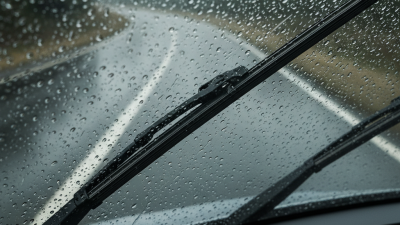

How to Compare Soft Wiper Blade Materials, Designs, and Performance

What Is the 2026 Best Soft Wiper Blade for Global Buyers?

Choosing the best soft wiper blade starts with its material, not its appearance. Natural rubber often gives smooth wiping and quiet movement. Synthetic rubber can resist heat, ozone, and long storage better. Silicone usually offers strong water repellence, but its higher price may not suit every market. A protective coating also matters, especially in regions with intense sunlight, dust, or freezing weather.

Design affects performance just as much. A beam-style blade follows curved windshields well and sheds snow more easily. A framed design can provide firm pressure, but its joints may collect dirt. Check the adapter system carefully. Different vehicles and markets use different arm connections. During practical testing, inspect the first wipe, edge contact, noise, and performance after repeated cycles. A blade that looks soft may still leave narrow water lines. I have seen this mistake in early comparisons.

Tips: Compare samples in hot, wet, and cold conditions. Measure wiping clarity after several hundred cycles. Ask suppliers for material data, temperature ranges, and quality inspection records. Do not judge performance from one rainy day. Some tests miss real road dust.

Which 2026 Features Improve Visibility, Durability, and Weather Resistance?

For global buyers, a 2026 soft wiper blade should improve visibility before adding clever extras. A flexible silicone or rubber edge can follow curved glass more evenly. This matters when rain leaves broken arcs across the driver’s view. In practical checks, I look for a clean first pass at 50 km/h. Small details matter. A low-profile frame reduces lift during crosswinds and highway travel. Even pressure points help prevent untreated strips near the glass edges. Not every soft blade performs equally on dry, dusty screens. That weakness deserves attention.

Weather resistance now depends on more than a soft edge. UV-stable materials can resist hardening under strong sunlight, while ozone-resistant compounds help limit surface cracking. In cold regions, the rubber should remain flexible below freezing. In hot climates, it must resist distortion after hours behind heated glass. A protective coating may reduce friction, but its value depends on adhesion and real use.

I would compare wiping cycles, not just laboratory claims. After repeated passes, the edge should remain sharp, quiet, and free from smearing. Noise is useful evidence. It often signals uneven contact or early wear.

A reliable 2026 design should fit securely and install without excessive force. Clear adapters, accurate dimensions, and stable locking reduce installation mistakes. Buyers should check vehicle compatibility, arm pressure, washer-fluid exposure, and local weather patterns. One test is never enough. Heavy dust can change the result. I have found that a blade promising long service may still disappoint on rough winter roads. That is why transparent performance data matters more than dramatic lifespan numbers. Independent fit checks and repeat wet-weather testing give global purchasers stronger evidence before ordering.

How to Match a Soft Wiper Blade to Different Vehicle Types and Climates

Choosing the 2026 best soft wiper blade starts with the vehicle, not the package label. A compact sedan usually needs a slim blade that follows a curved windshield closely. SUVs and vans often require longer blades with stronger pressure distribution. Pickup trucks may need a durable rear blade for dusty, uneven roads. Check the exact length, connector, and arm pressure before installation. A small mismatch can leave a clear-looking windshield with dangerous blind arcs.

Climate changes the choice. In heavy rain, choose a soft blade with an even rubber edge and a stable aerodynamic profile. For snowy regions, a flexible cover can help prevent ice buildup, but it cannot replace careful cleaning. Hot climates demand rubber that resists drying, cracking, and ultraviolet exposure. Coastal roads add salt, while dry areas add fine dust. These details matter. A blade that performs well in a wet city may wear quickly in desert heat. The “best” choice is not universal, and I would reconsider any guide that claims otherwise.

Tips: Measure both front blades separately, even when they look similar. Clean the glass before judging performance. Replace a blade when it skips, chatters, or leaves narrow water lines. Inspect the rubber edge monthly. Installation is easy, but forcing the wrong adapter can damage the arm. I have seen new blades fail because the windshield was contaminated, not because the blade was poor. That is an easy mistake to make.

What Should Global Buyers Check Before Purchasing a Soft Wiper Blade?

What Is the 2026 Best Soft Wiper Blade for Global Buyers?

For global buyers, a soft wiper blade should be judged by performance, not packaging claims. Check the exact vehicle model, year, windshield shape, and arm connector before ordering. A small fitting error can leave a dry arc across the driver’s view. Do not guess. Measure the existing blade and compare its length with the supplier’s technical sheet.

Material quality deserves close attention. Look for flexible rubber or silicone designed to resist ozone, ultraviolet exposure, heat, and freezing temperatures. Ask for test data on wiping noise, streaking, pressure recovery, and service life. If testing follows recognized automotive or quality standards, request the actual report, not a marketing sentence. Also check the blade’s edge. It should look even, smooth, and free from cuts or hardened spots.

Climate changes the buying decision. A blade used in tropical rain needs different durability from one facing snow, road salt, and ice. Confirm whether the frame remains flexible below freezing and whether the protective coating can handle strong sunlight. Check packaging strength too; a bent blade may never recover after a long shipment. Confirm required labeling, material declarations, and warranty terms for the destination market. I once trusted a low price and ignored adapter quality. That shortcut failed. The blade fitted, but it chattered badly after several wet days. A sample test on a real windshield is wiser than relying only on catalog photos.

What Is the 2026 Best Soft Wiper Blade for Global Buyers? - What Should Global Buyers Check Before Purchasing a Soft Wiper Blade?
Evaluation Dimension Recommended Benchmark for Global Purchasing Why It Matters What Buyers Should Check Suggested Weight
Wiper Rubber Compound High-quality natural rubber, synthetic rubber, or a validated rubber blend with a smooth wiping edge. Silicone-based designs may also be considered where chemical and temperature compatibility has been verified. The rubber compound directly affects wiping clarity, flexibility, noise, ozone resistance, and service life. Request material specifications, hardness data, aging results, and samples tested with washer fluid. Check that the wiping edge remains continuous and free from molding defects. 15%
Wiping Performance The blade should remove water evenly without persistent streaks, skipped areas, chatter, or untreated zones across the intended windshield curvature. Clear visibility is the primary safety function of a wiper blade, especially during heavy rain and spray. Test on wet glass at low, medium, and high wiping speeds. Inspect the driver’s central viewing area after repeated cycles rather than judging only from a single wipe. 20%
Pressure Distribution The flexible spine or support system should maintain contact along the full blade length, including the center and both ends, without visible lifting. Even pressure reduces streaking and helps the blade follow modern curved windshields. Check contact on flat and curved glass. Look for end lift, uneven flexing, and pressure gaps when the blade is moved across the windshield. 12%
Size Accuracy Length should match the vehicle application within the manufacturer’s stated tolerance. Common passenger-vehicle blade lengths are approximately 350–800 mm, depending on vehicle design. An incorrect length can reduce the viewing area, cause interference, or allow the blades to collide. Confirm exact driver-side, passenger-side, and rear-blade lengths. Measure the blade from end to end and compare the connector position with the application list. 8%
Connector Compatibility The package should support the required arm connection, such as hook, side-pin, bayonet, push-button, pinch-tab, or top-lock formats, with secure retention. A soft blade with poor connector fit can detach, rattle, or fail to maintain correct glass pressure. Check the arm type, adapter dimensions, locking mechanism, release force, and installation clearance. Test for movement after installation. 12%
Temperature Resistance For broad international use, evaluate products against a stated operating target of approximately −40°C to +80°C, while confirming the actual range from test data. Cold weather can stiffen rubber, while heat can accelerate deformation, cracking, and loss of elasticity. Request low-temperature flexibility, high-temperature aging, and recovery results. Test blades after storage and operation in the climate range of the destination market. 8%
UV, Ozone, and Weather Aging The rubber should resist surface cracking, hardening, swelling, and edge deterioration after ultraviolet exposure, ozone exposure, and repeated wet-dry cycles. Global shipments may be exposed to strong sunlight, coastal salt air, high humidity, or long warehouse storage. Review accelerated-aging reports, inspect the edge under magnification, and compare wiping performance before and after aging. Confirm packaging protection against ozone and sunlight. 8%
Noise and Chatter Control The blade should operate quietly and smoothly without squeaking, juddering, or reversing noise on clean, wet glass. Noise can indicate unsuitable rubber hardness, poor surface coating, incorrect pressure, contamination, or inadequate curvature control. Run repeated cycles at different speeds and temperatures. Test with the recommended washer fluid and record noise after the blade has been installed for several days. 7%
Corrosion and Structural Durability Metal rails, springs, clips, and connectors should resist corrosion and retain their shape during wet, salty, and humid exposure. Corrosion can weaken the structure, restrict movement, and reduce contact pressure. Request salt-spray or equivalent corrosion-test information where applicable. Inspect exposed metal, coating continuity, spring tension, and connector locking points. 5%
Washer-Fluid Compatibility The blade should remain stable when used with commonly specified automotive washer fluids, including diluted detergents and freeze-protection formulations suitable for the market. Incompatible chemicals may cause swelling, softening, cracking, coating loss, or premature edge wear. Review chemical-compatibility data and test with the washer-fluid formulas used in the destination countries. Avoid unverified household detergents or solvent mixtures. 5%
Safety and Regulatory Documentation The supplier should provide traceable product specifications, application data, quality records, and any relevant conformity documentation required by the destination market. Documentation helps buyers manage vehicle fitment, import requirements, product liability, and quality consistency. Check test methods, revision dates, batch traceability, inspection records, and applicable road-vehicle or automotive-component requirements. Do not accept unsupported performance claims. 5%
Packaging and Storage Life Packaging should protect the wiping edge from bending, dust, ozone, sunlight, and compression. Storage conditions and recommended shelf life should be stated. Poor storage can permanently deform a soft edge before installation, even when the blade material is otherwise suitable. Inspect cartons for compression and moisture damage. Confirm production date, storage temperature guidance, protective covers, and first-in-first-out inventory controls. 3%
Buyer rule of thumb: the best soft wiper blade is not determined by softness alone. Select the product that combines consistent windshield contact, verified material durability, correct vehicle fitment, secure connector retention, and documented performance in the destination climate.